Lund Predator Boats For Sale
833 Results
Relevance
Best
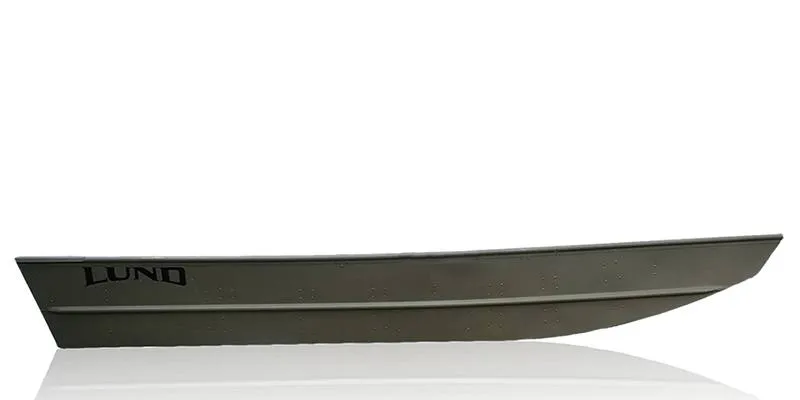
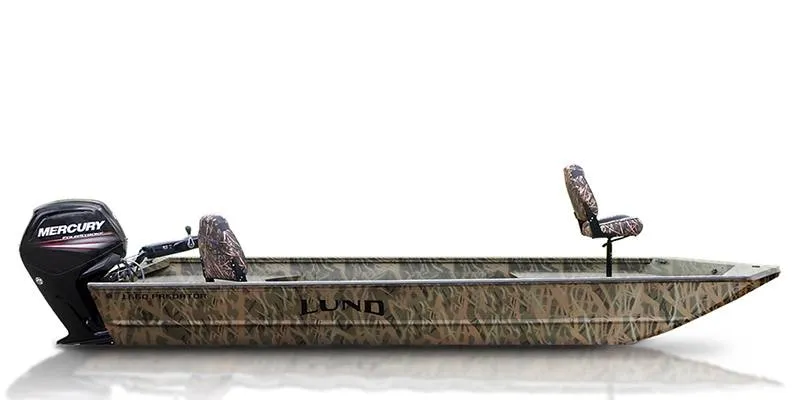
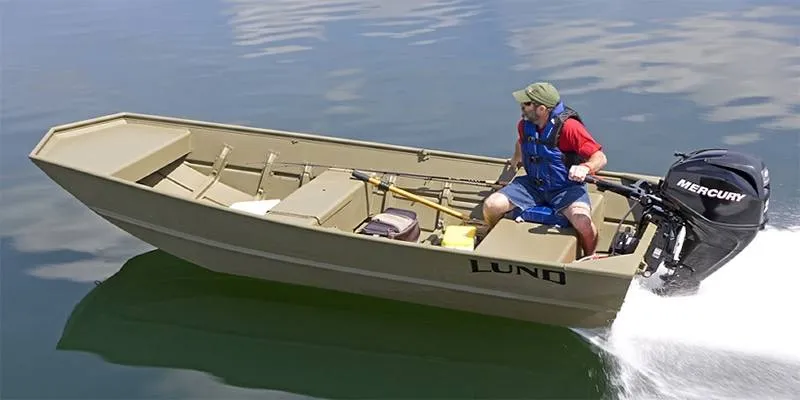
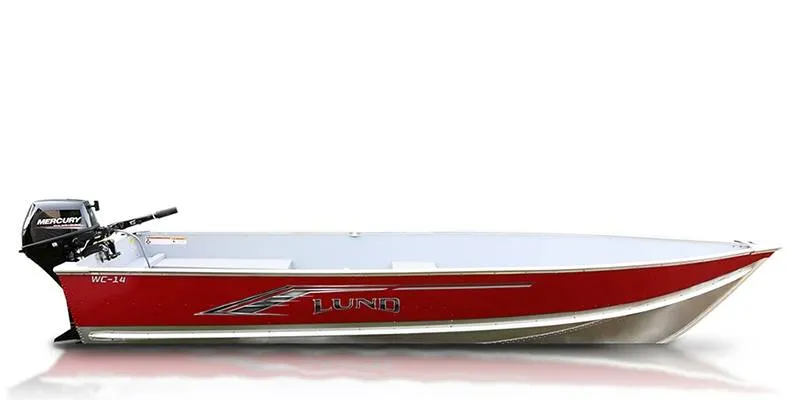
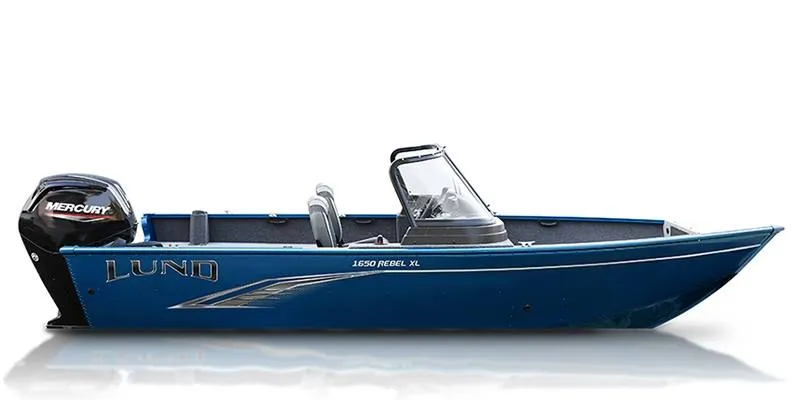
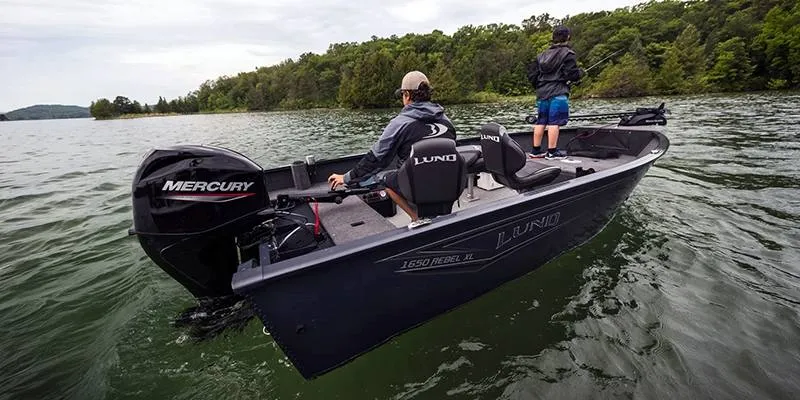
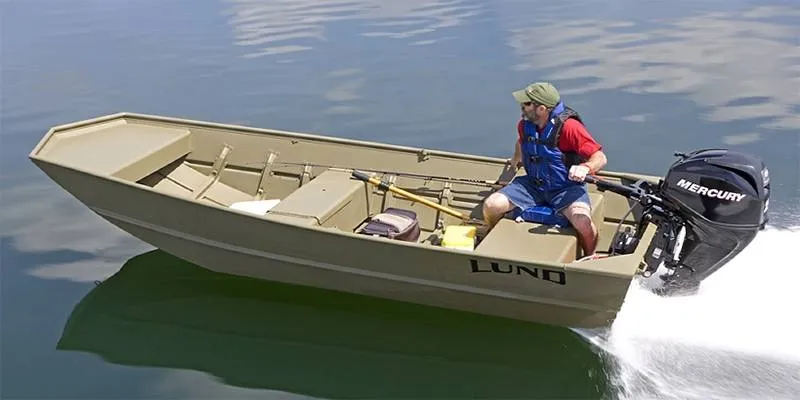
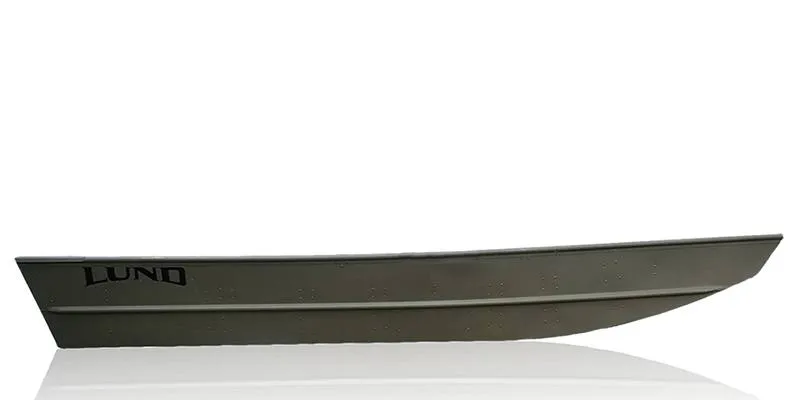
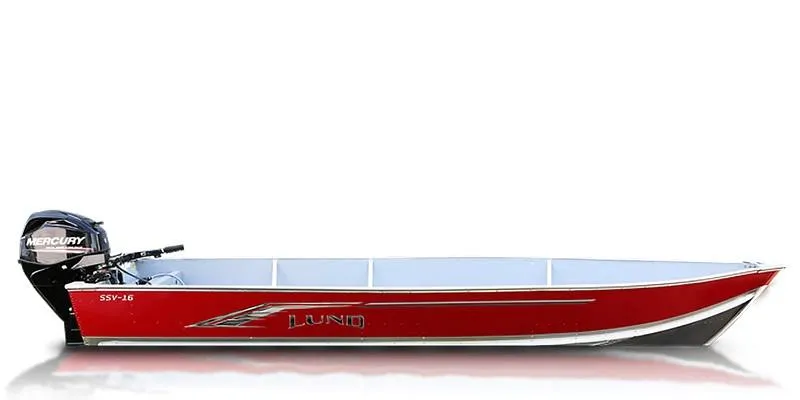
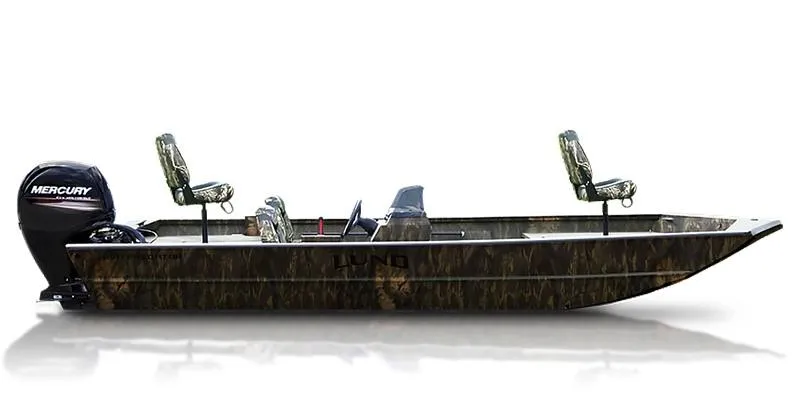
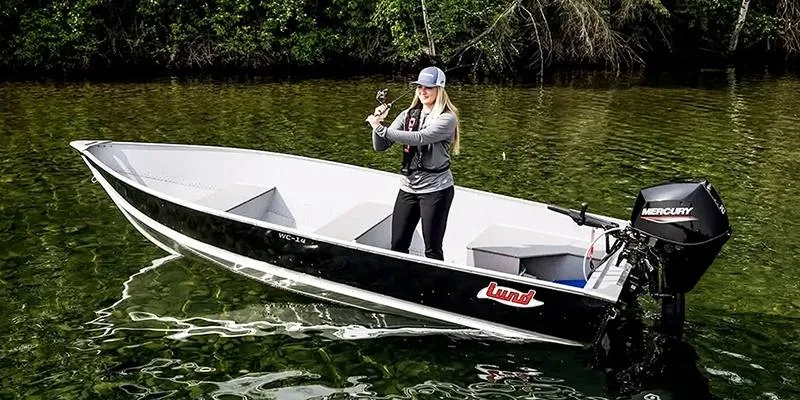
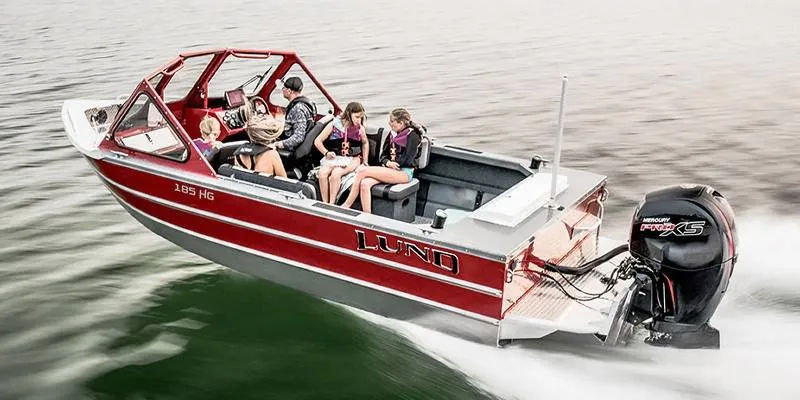
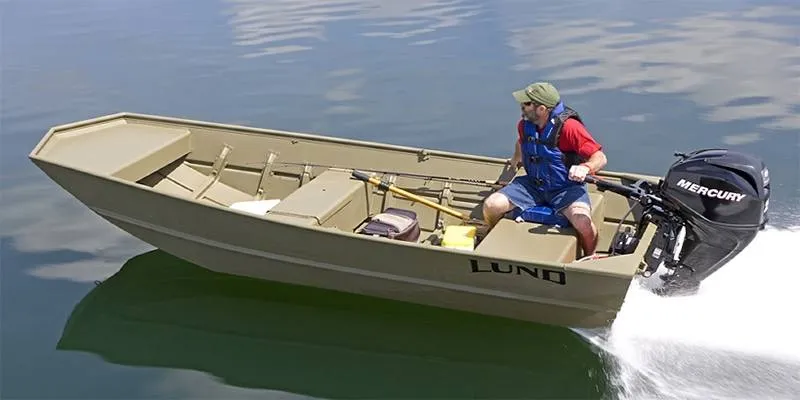
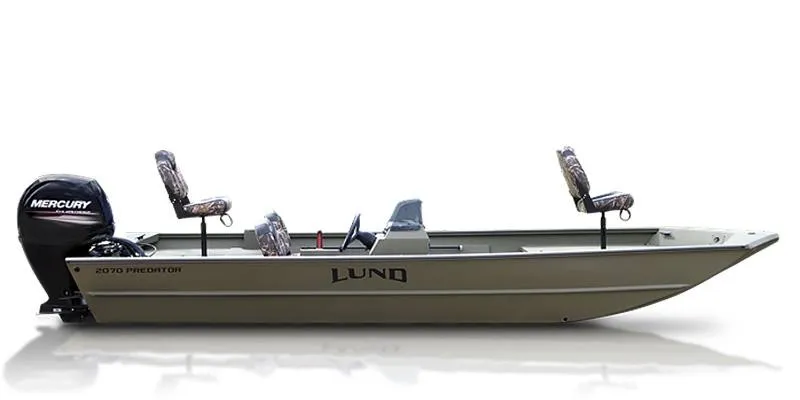
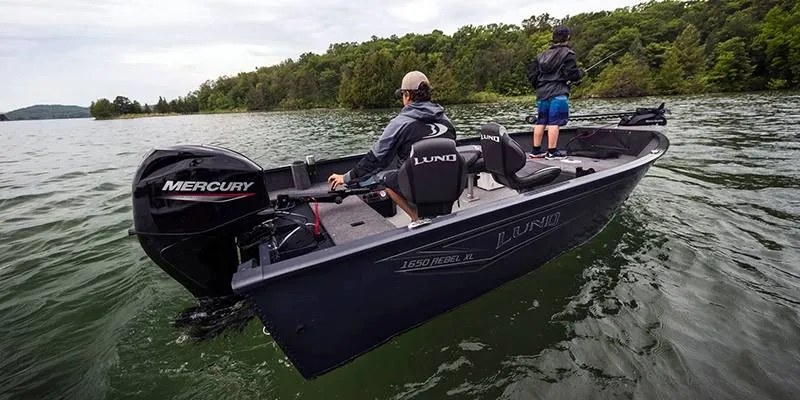
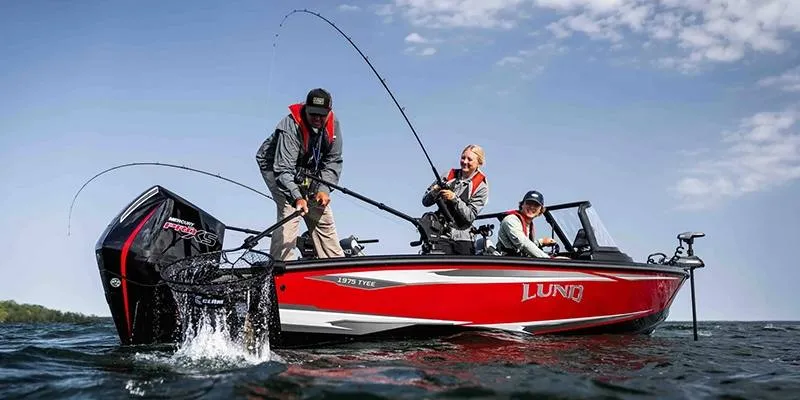
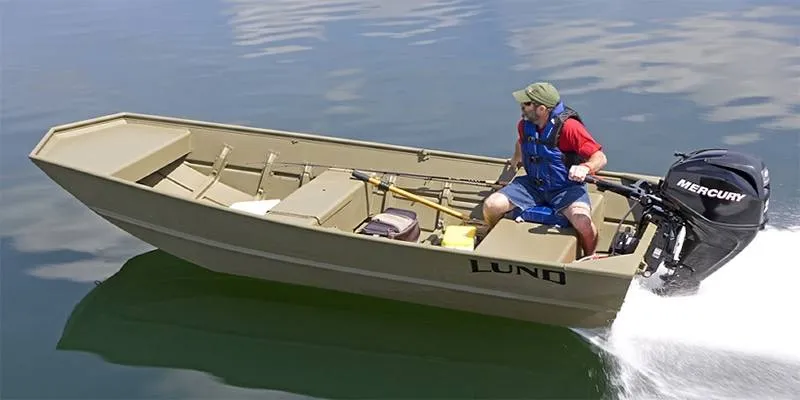
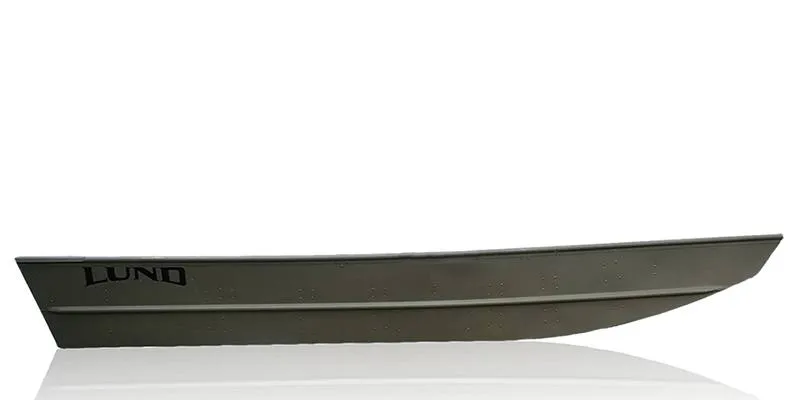
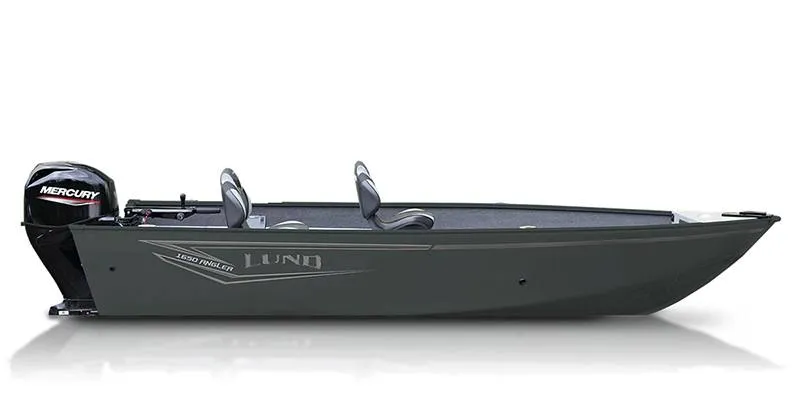
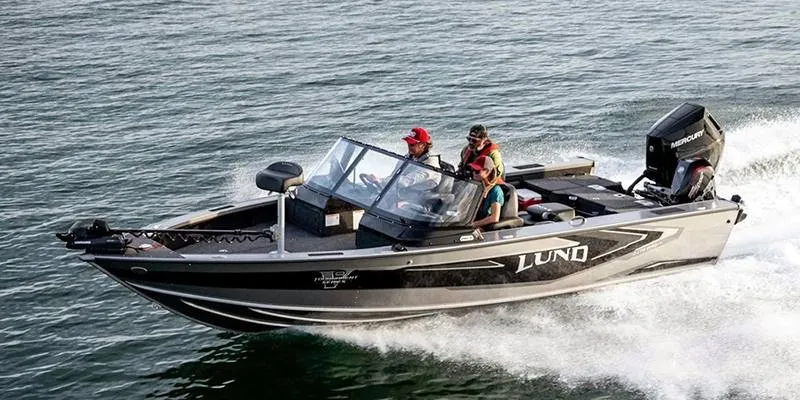
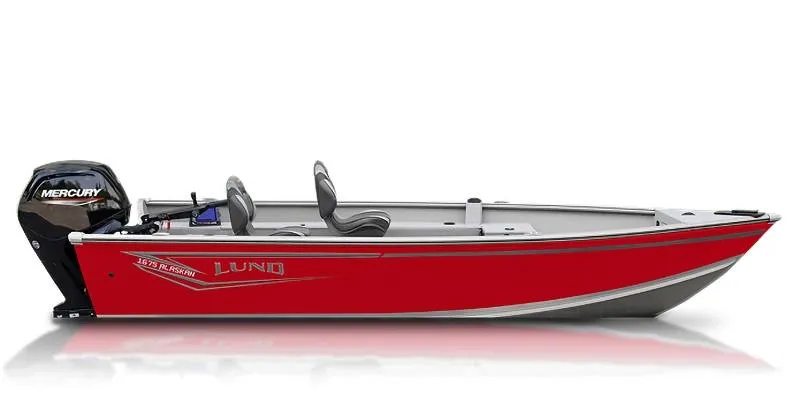
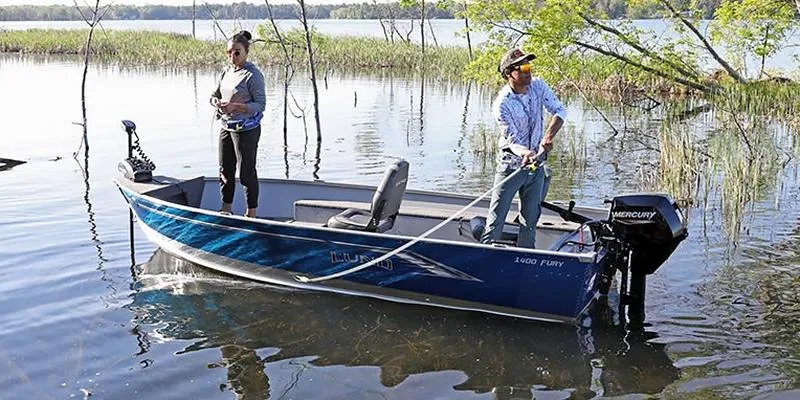
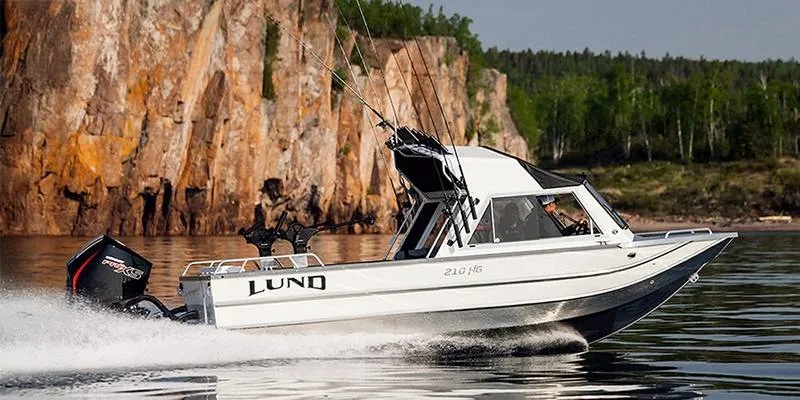
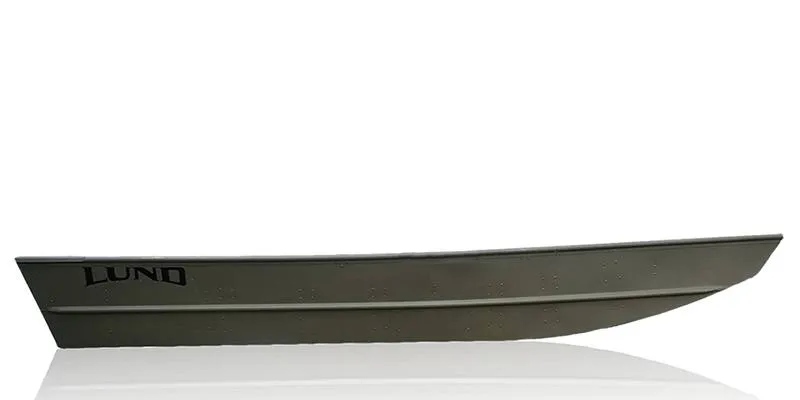
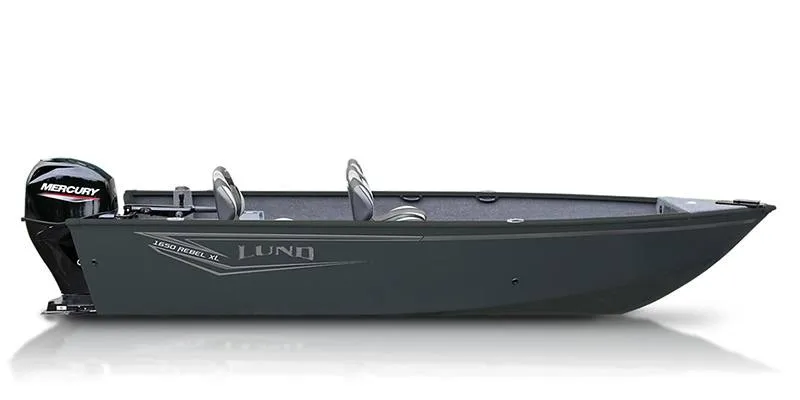
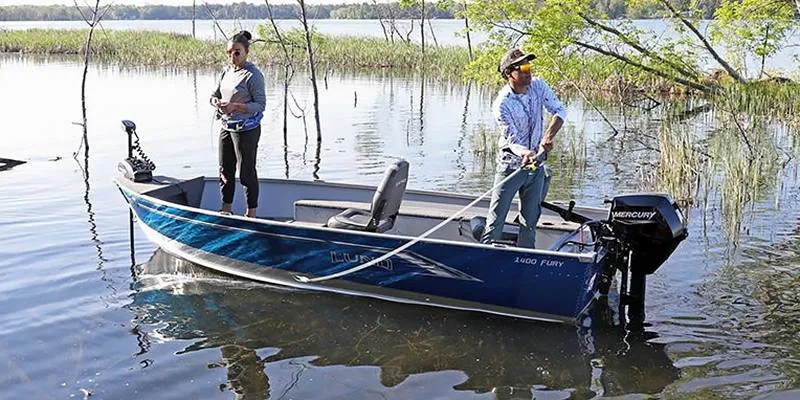
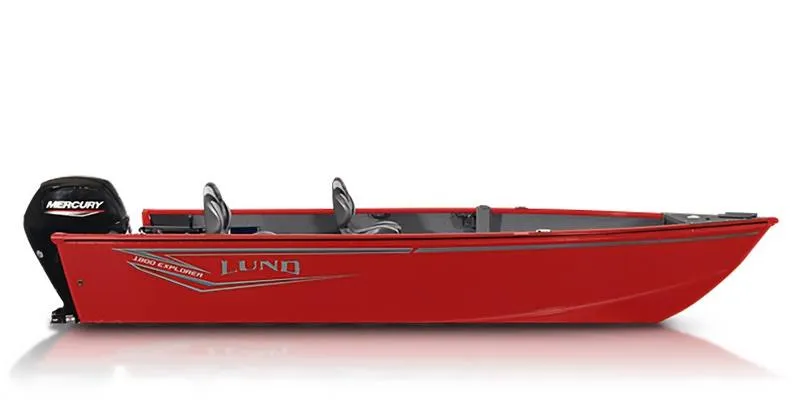
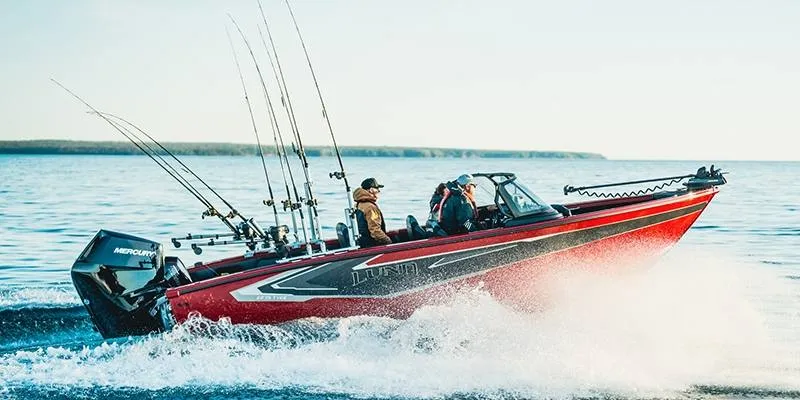
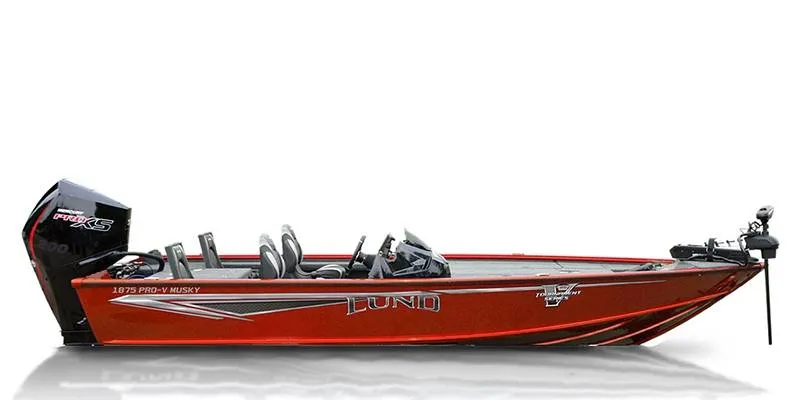
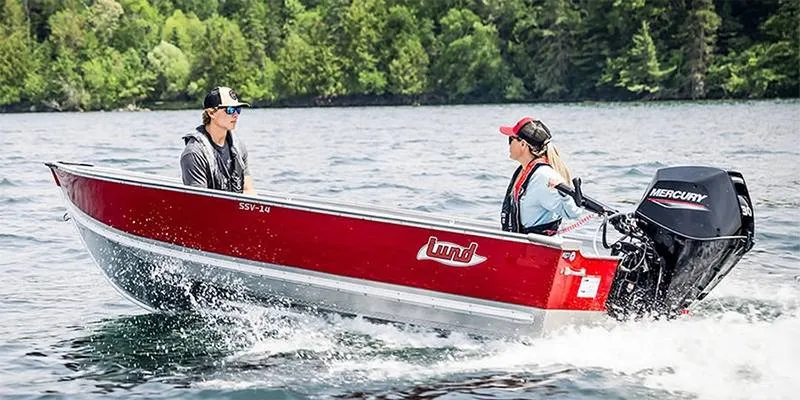
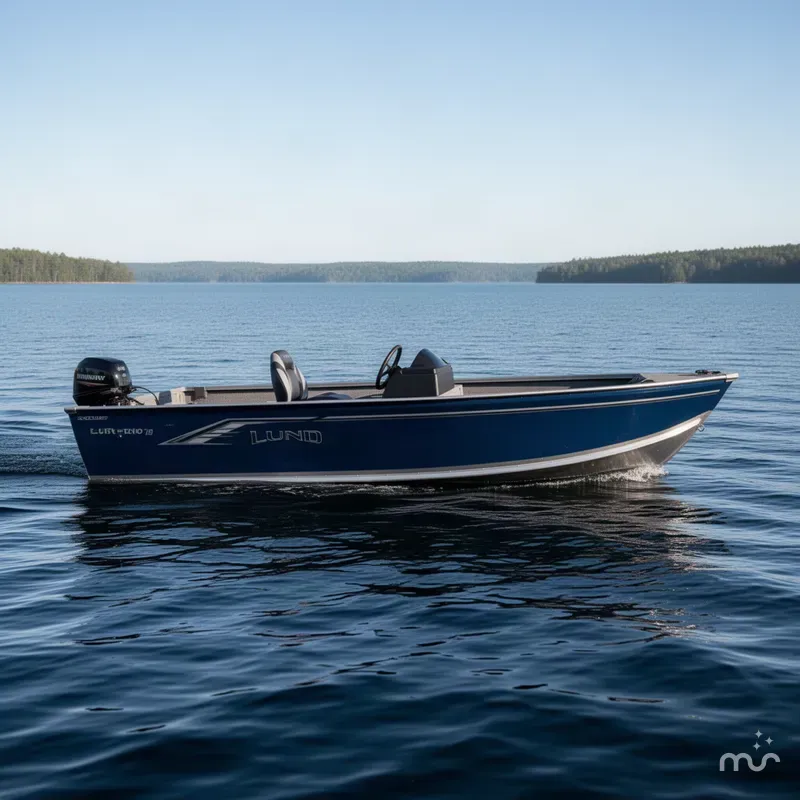
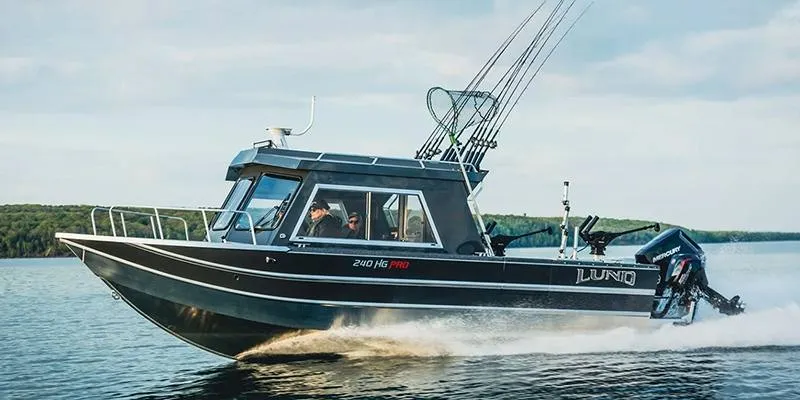
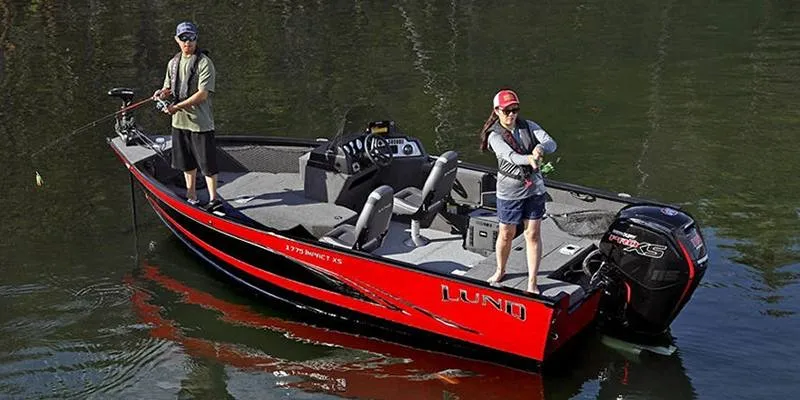
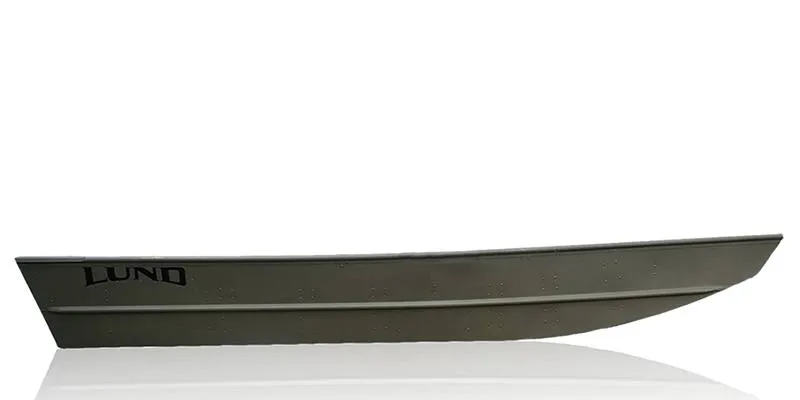
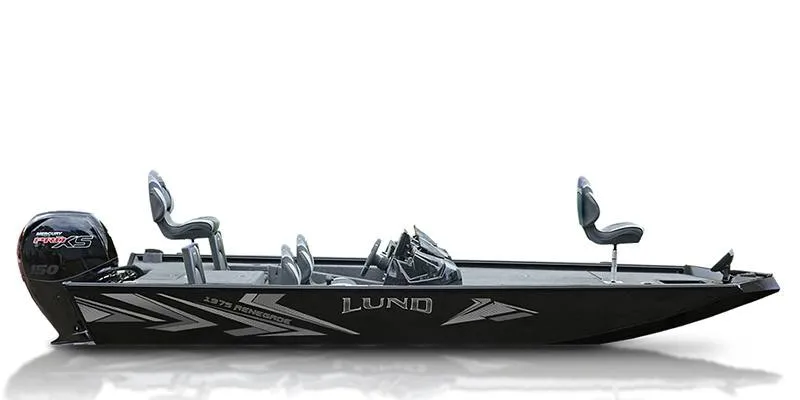
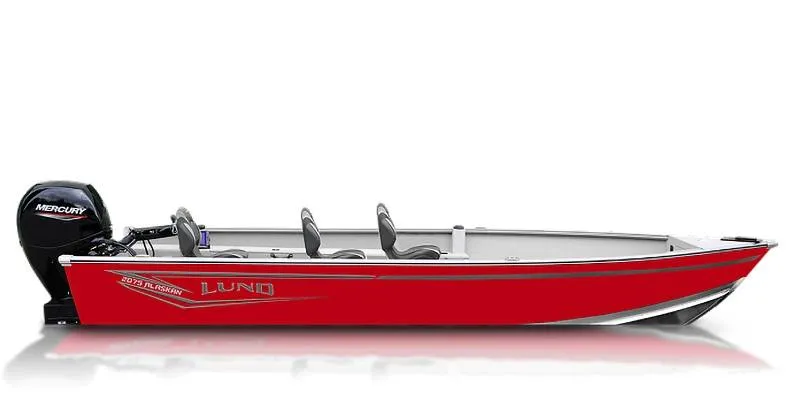
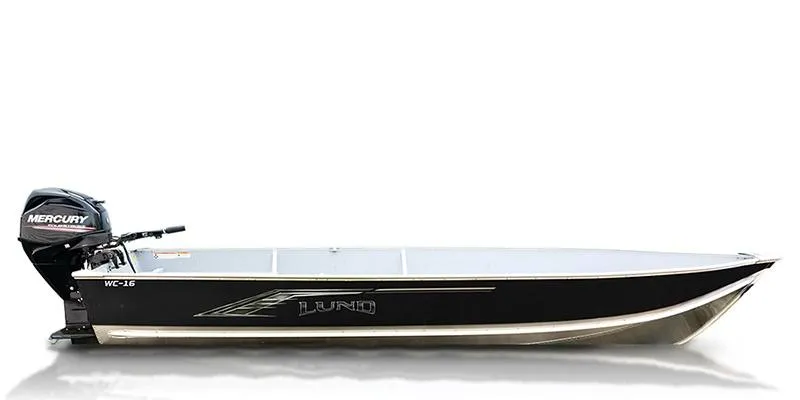
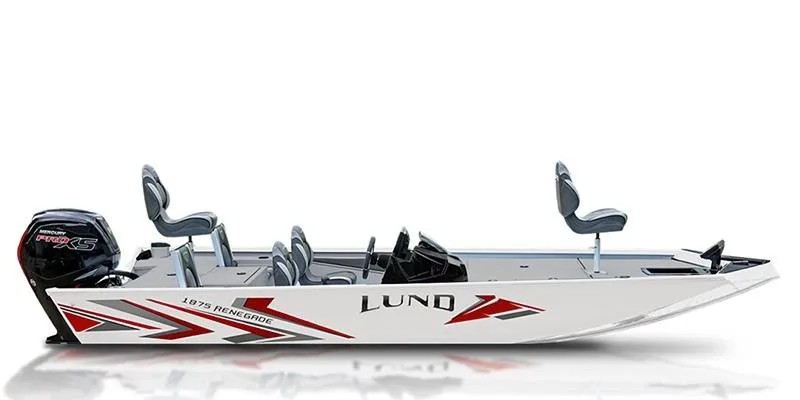
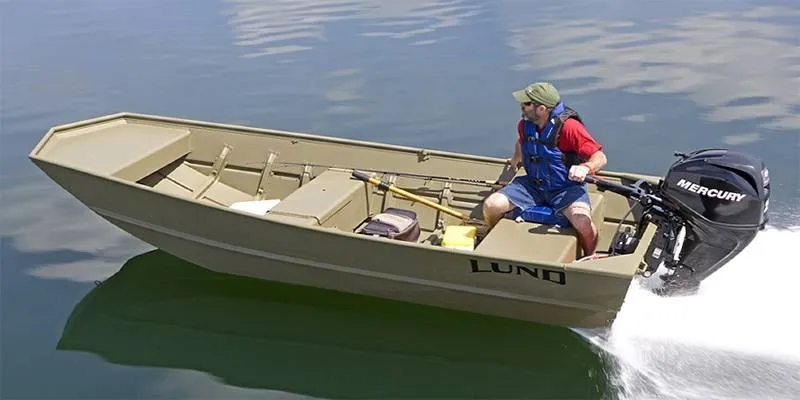
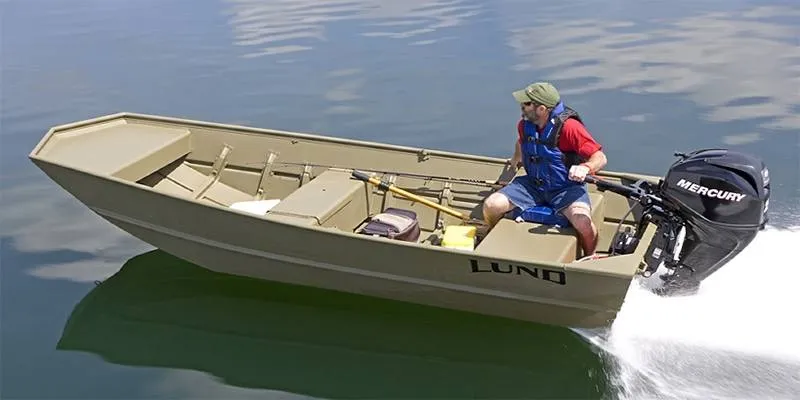
Lund Predator boats are an all-welded aluminum utility line built on a mod V hull, designed for anglers and hunters who run shallow rivers, reservoirs and chop with the same boat. The series comes in 16, 17, 18 and 20-foot lengths (1660, 1760, 1870 and 2070) and in three configurations: a tiller, a side console (SS) and a center console (CC). Construction is wood-free with Lund's Sport Trac protrac gunnels, a standard non-skid floor and gunnel liner, and color choices that include green, tan, Mossy Oak Shadow Grass, Mossy Oak Break-Up and camo, with camo non-skid running through the deck so booted feet stay planted. The mod V design runs skinny in shallow water while holding its own when the lake kicks up.
The side console layout carries a traditional helm with tachometer, fuel gauge and a switch panel with master power, fold-down pro-comfort seats with a bench seat option, and under-seat storage. The front deck holds two sizable storage compartments with door trim and compression latches, a live well, port rod storage and an optional rod and gun locker. A standard boarding ladder and optional sponson pods add buoyancy and give a dog a quick way back aboard. The center console version comes standard with a windscreen and grab rail, a sturdy leaning post, under-seat storage forward and an optional console rod holder, while the tiller models offer a spacious bow with a live well and a multi-base seat pedestal option.
Performance depends heavily on the rigging. A 2009 Predator 1810 SS with a 90-horsepower Mercury two-stroke fuel-injected outboard reached a top speed of 46 mph on the speedo, and that hull is rated for a maximum of 115 horsepower. It uses Lund's IPS (integrated power stripe) hull, which lifts the boat onto plane quickly, channels water toward the prop, and directs spray down and away for a dry ride. With the helm placed forward and the fuel tank mounted center, the boat showed minimal bow rise on the hole shot and carved turns with little cavitation, and the carpeted interior cut water noise against the aluminum hull.
The 1870 deserves attention for its wider 70-inch bottom, where many competitors run 60 inches, giving more stable footing, a wider interior floor and slightly less displacement. It can be ordered with a thicker 125 bottom and set up with either a 90-horsepower prop or an 80 jet; with the jet it gets on plane almost instantly and runs in the low 30s. A jet-equipped 1870 makes sense on rocky, hazard-strewn rivers where the mod V stays relatively level through the hole shot.
A 2025 Lund 1760 Predator shows how the line works as a crossover fishing and duck-hunting rig. It runs a 60-horsepower Mercury, camo non-skid throughout, removable seats that lift out to clear the deck, and cleats recessed into the bow so they don't catch lines or gear. Wiring and cables are secured out of the way for working the boat in the dark, and there's a second battery plus trolling-motor wiring already in place. Twin sponson sections at the stern add stability on the lighter, flatter hull, and two step-downs at the transom double as a swim step and a dog ladder.
When weighing a Lund Predator boat, match the configuration to the use: tiller and side console for fishing and hunting flexibility, center console for open visibility in shallow cover, and the 70-inch 1870 or 2070 for the widest, most stable platform. Confirm the power package, whether prop or jet, against the hull's max horsepower rating, and check options such as flush pedestals, lithium batteries, a Garmin or Lowrance display, a Minn Kota Terrova trolling motor and sponson pods, since these vary boat to boat.
The side console layout carries a traditional helm with tachometer, fuel gauge and a switch panel with master power, fold-down pro-comfort seats with a bench seat option, and under-seat storage. The front deck holds two sizable storage compartments with door trim and compression latches, a live well, port rod storage and an optional rod and gun locker. A standard boarding ladder and optional sponson pods add buoyancy and give a dog a quick way back aboard. The center console version comes standard with a windscreen and grab rail, a sturdy leaning post, under-seat storage forward and an optional console rod holder, while the tiller models offer a spacious bow with a live well and a multi-base seat pedestal option.
Performance depends heavily on the rigging. A 2009 Predator 1810 SS with a 90-horsepower Mercury two-stroke fuel-injected outboard reached a top speed of 46 mph on the speedo, and that hull is rated for a maximum of 115 horsepower. It uses Lund's IPS (integrated power stripe) hull, which lifts the boat onto plane quickly, channels water toward the prop, and directs spray down and away for a dry ride. With the helm placed forward and the fuel tank mounted center, the boat showed minimal bow rise on the hole shot and carved turns with little cavitation, and the carpeted interior cut water noise against the aluminum hull.
The 1870 deserves attention for its wider 70-inch bottom, where many competitors run 60 inches, giving more stable footing, a wider interior floor and slightly less displacement. It can be ordered with a thicker 125 bottom and set up with either a 90-horsepower prop or an 80 jet; with the jet it gets on plane almost instantly and runs in the low 30s. A jet-equipped 1870 makes sense on rocky, hazard-strewn rivers where the mod V stays relatively level through the hole shot.
A 2025 Lund 1760 Predator shows how the line works as a crossover fishing and duck-hunting rig. It runs a 60-horsepower Mercury, camo non-skid throughout, removable seats that lift out to clear the deck, and cleats recessed into the bow so they don't catch lines or gear. Wiring and cables are secured out of the way for working the boat in the dark, and there's a second battery plus trolling-motor wiring already in place. Twin sponson sections at the stern add stability on the lighter, flatter hull, and two step-downs at the transom double as a swim step and a dog ladder.
When weighing a Lund Predator boat, match the configuration to the use: tiller and side console for fishing and hunting flexibility, center console for open visibility in shallow cover, and the 70-inch 1870 or 2070 for the widest, most stable platform. Confirm the power package, whether prop or jet, against the hull's max horsepower rating, and check options such as flush pedestals, lithium batteries, a Garmin or Lowrance display, a Minn Kota Terrova trolling motor and sponson pods, since these vary boat to boat.
Browse Lund Boats by Type
Lund Aluminum Fishing Boats for SaleLund Saltwater Fishing Boats for SaleLund Bass Boats for SaleLund Freshwater Fishing Boats for SaleLund Ski and Fish Boats for SaleLund Sport Fishing Boats for SaleLund Jon Boats for SaleLund Performance Boats for SaleLund Utility Boats for SaleLund High Performance Boats for SaleLund Dual Console Boats for SaleLund Skiff Boats for SaleLund Racing Boats for SaleLund Runabout Boats for SaleLund Bowrider Boats for SaleLund Jet Boats for SaleLund Unspecified Boats for SaleLund Center Console Boats for SaleLund Pontoon Boats for Sale
Browse Similar Boat Types
Browse Lund Boats by State
Lund Boats in GeorgiaLund Boats in WisconsinLund Boats in IllinoisLund Boats in OhioLund Boats in IndianaLund Boats in NebraskaLund Boats in North DakotaLund Boats in New YorkLund Boats in New JerseyLund Boats in MichiganLund Boats in MissouriLund Boats in WashingtonLund Boats in PennsylvaniaLund Boats in KansasLund Boats in IowaLund Boats in CaliforniaLund Boats in South CarolinaLund Boats in OregonLund Boats in IdahoLund Boats in Florida
 Login with Google