Used Tracker Fishing Boats For Sale
66 Results
Relevance
Best
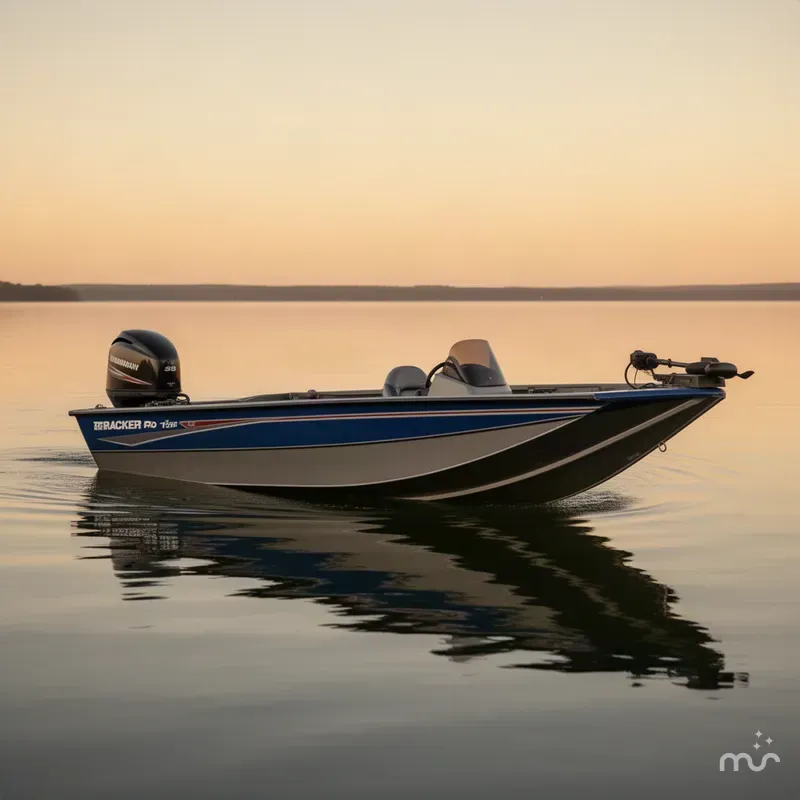
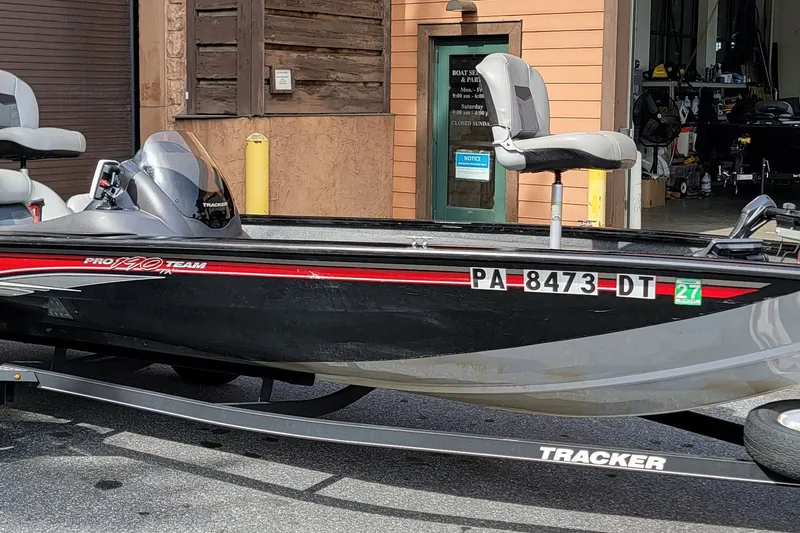
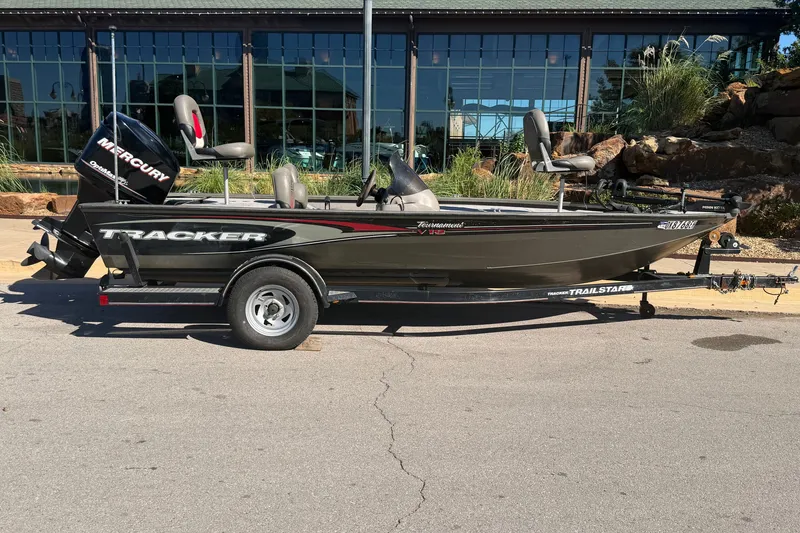
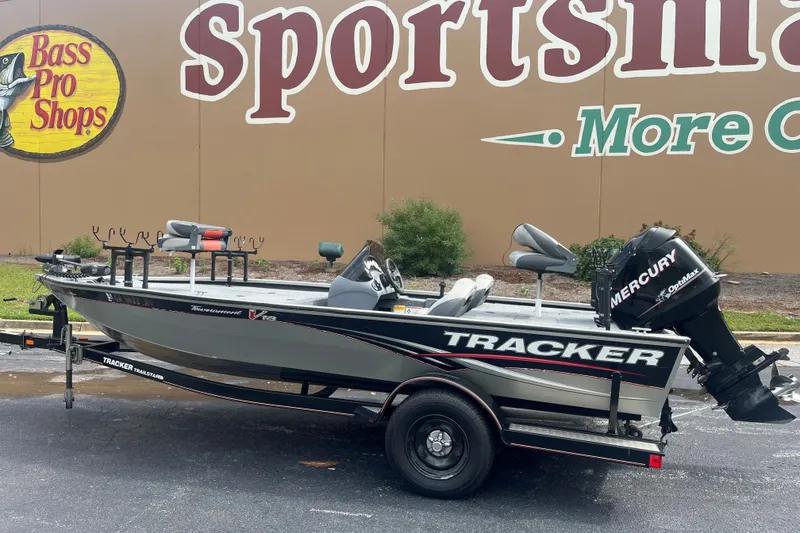
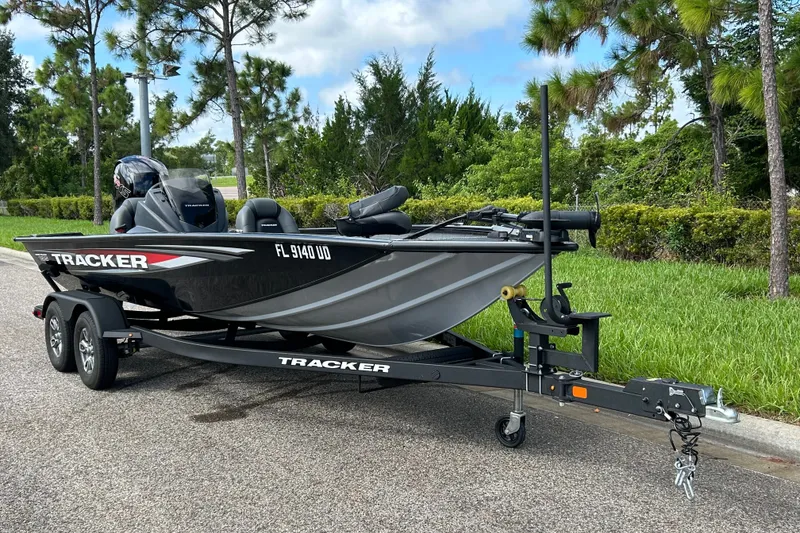
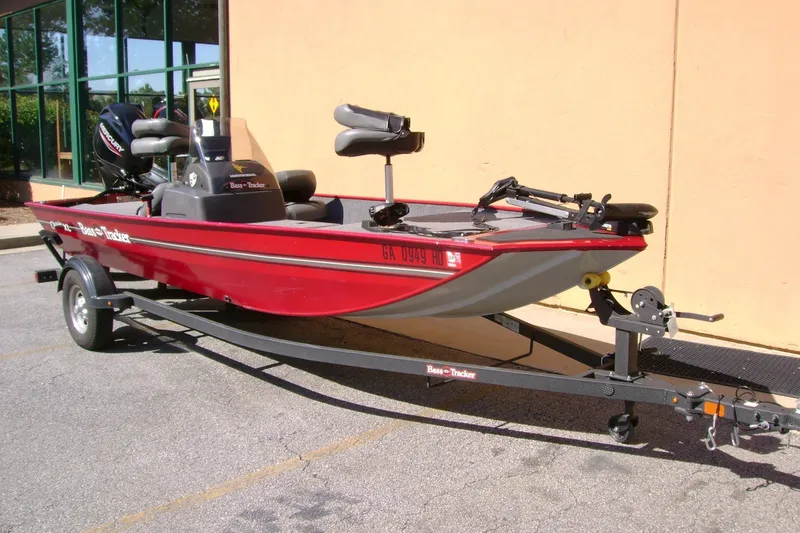
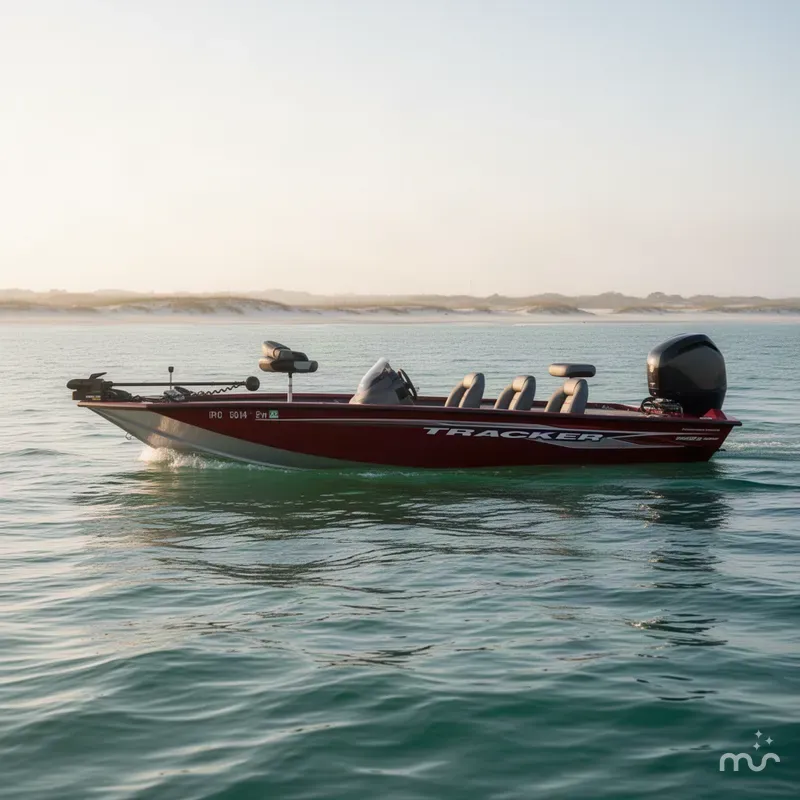
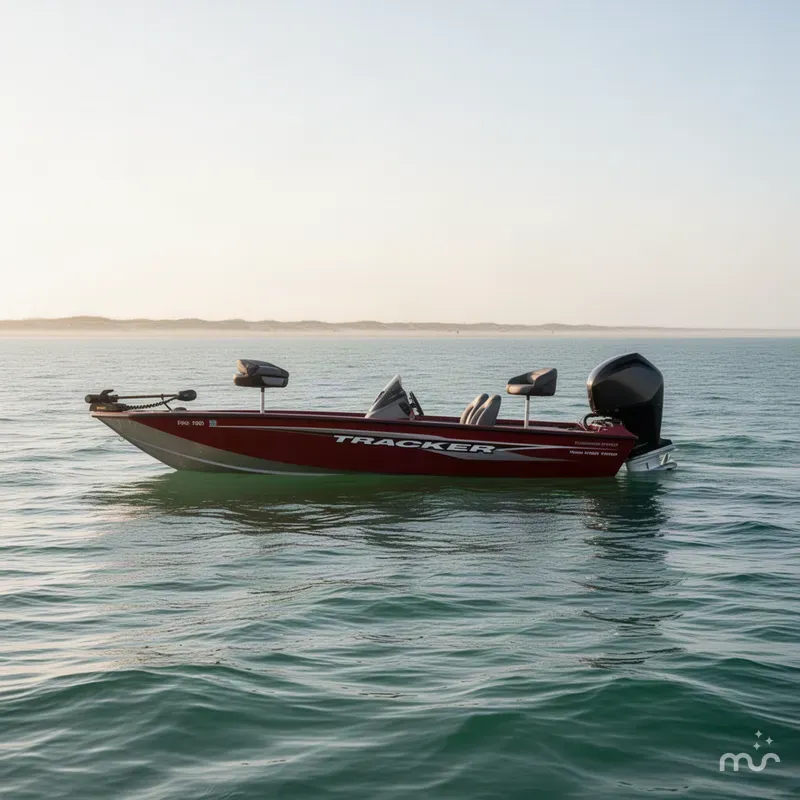
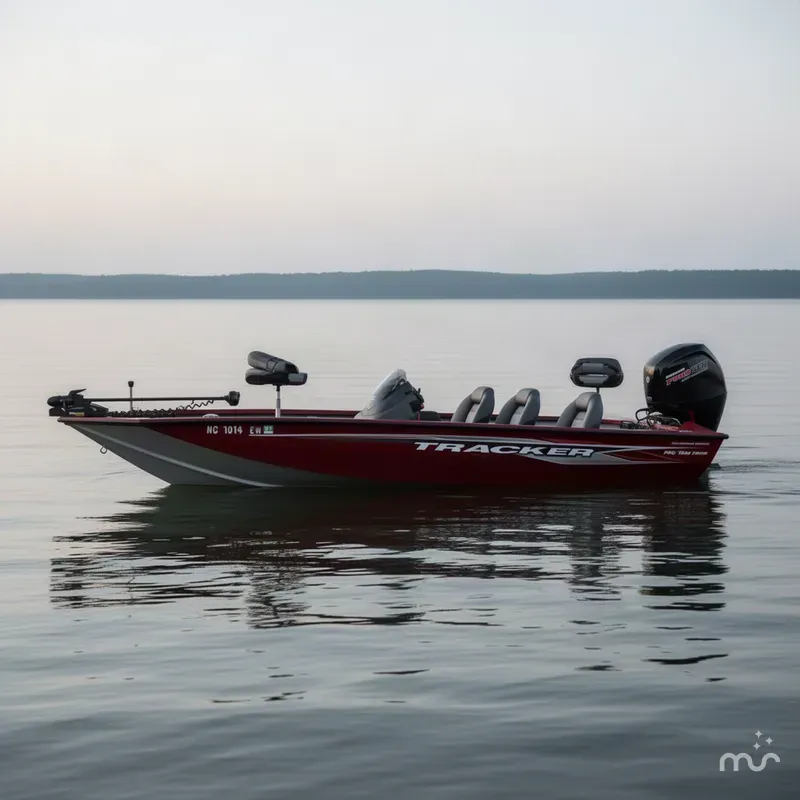
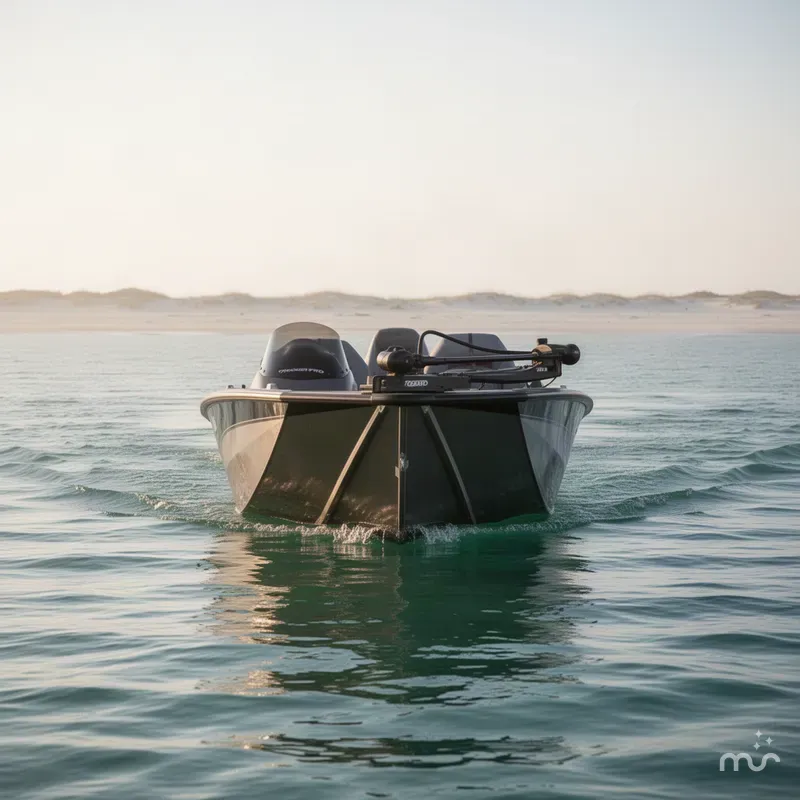
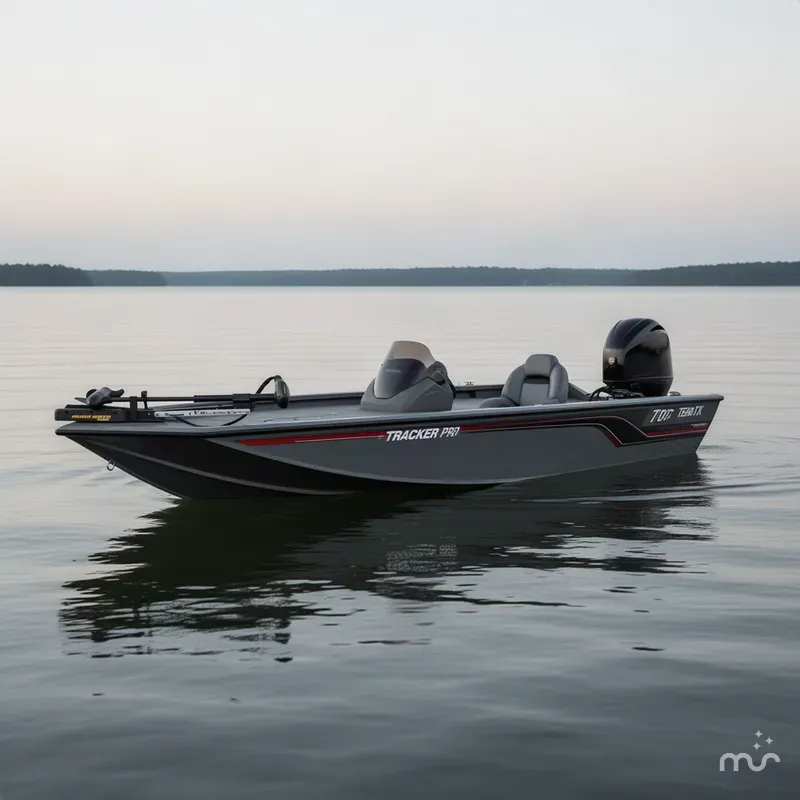
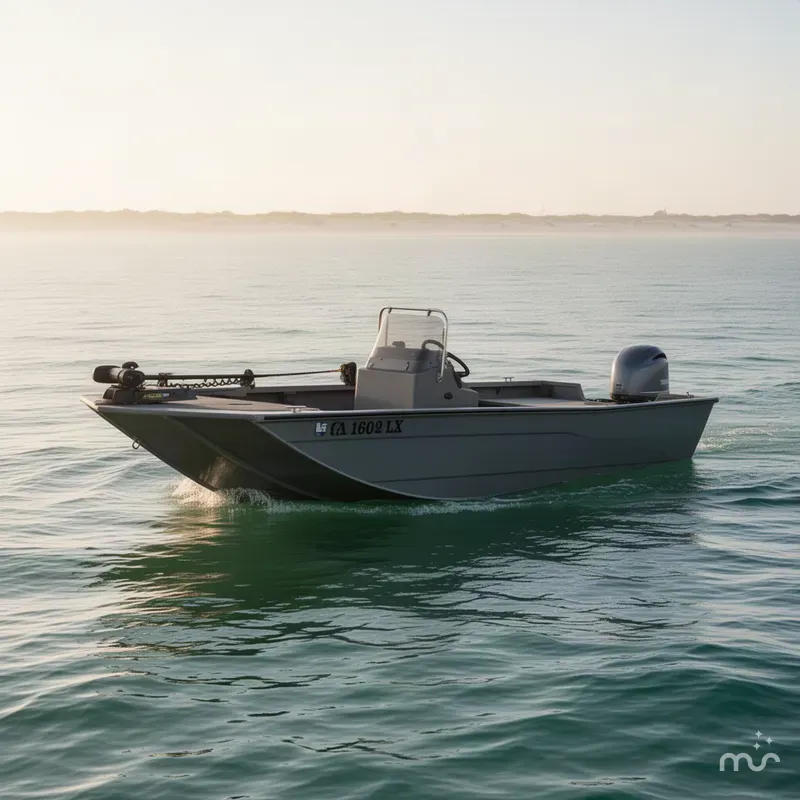
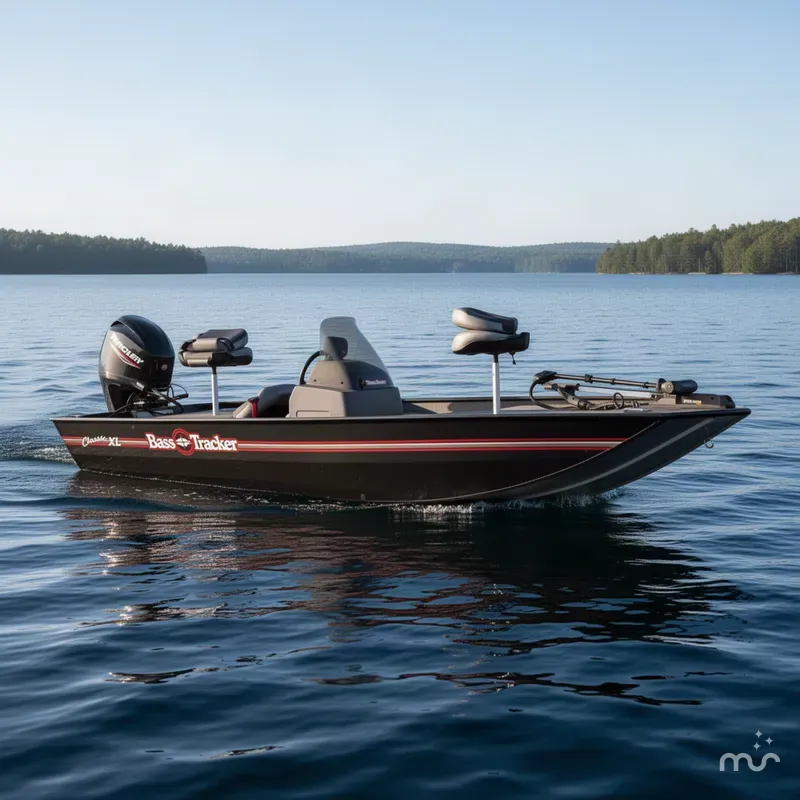
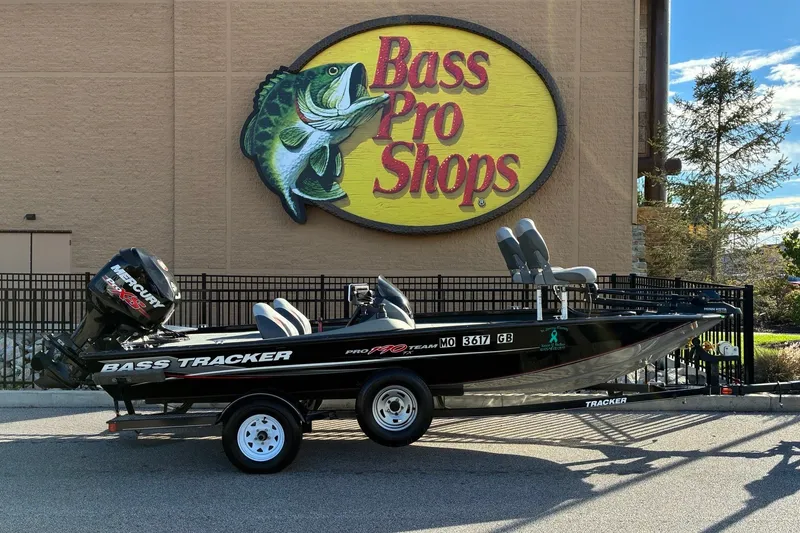
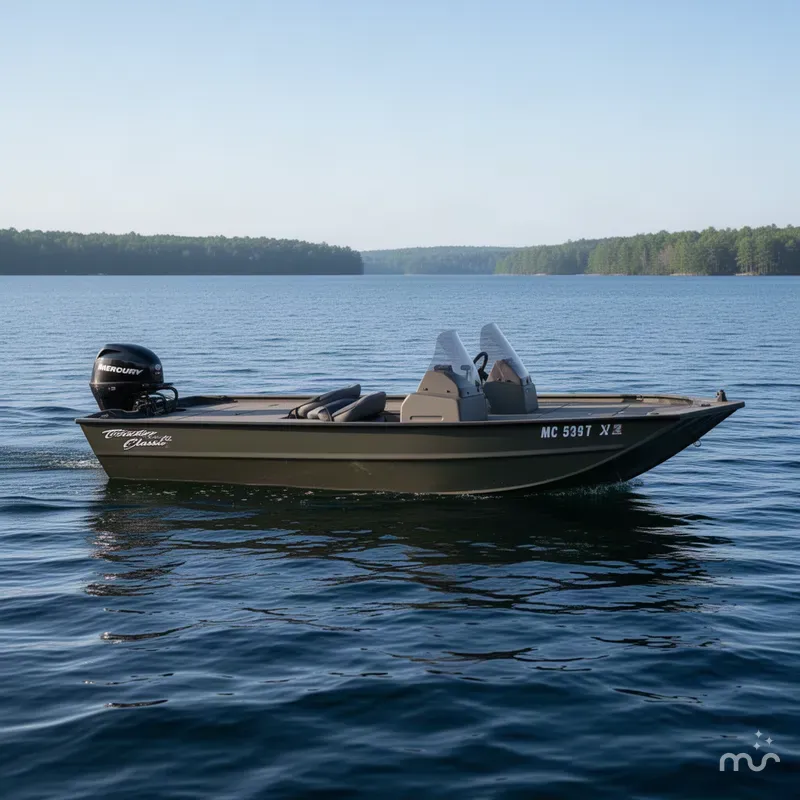
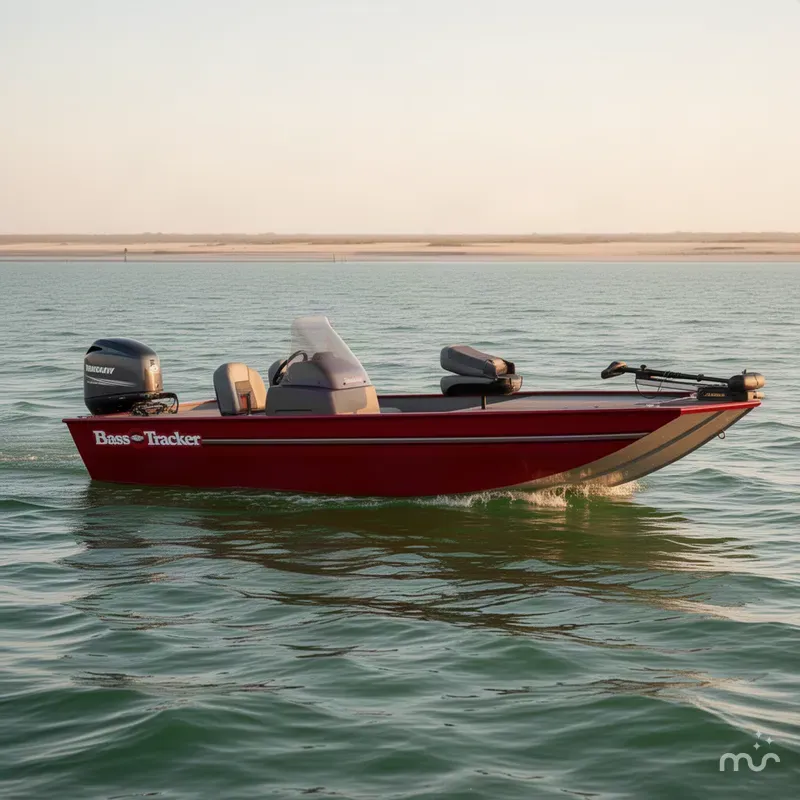
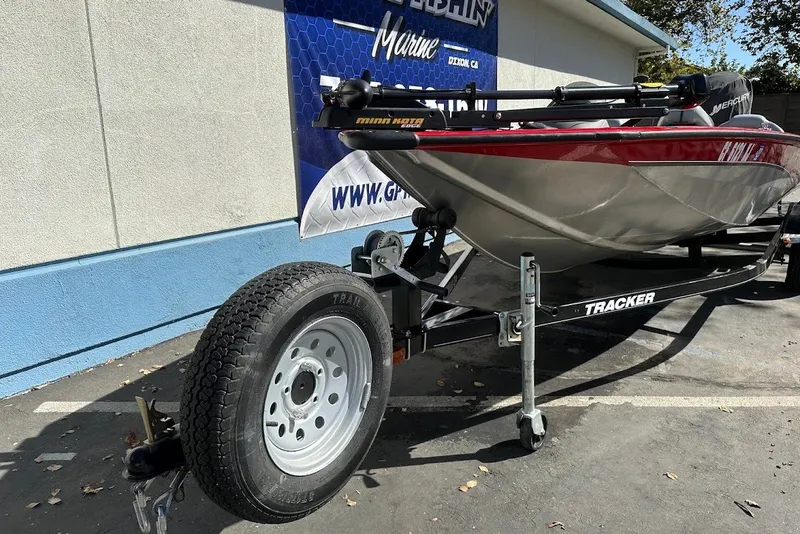
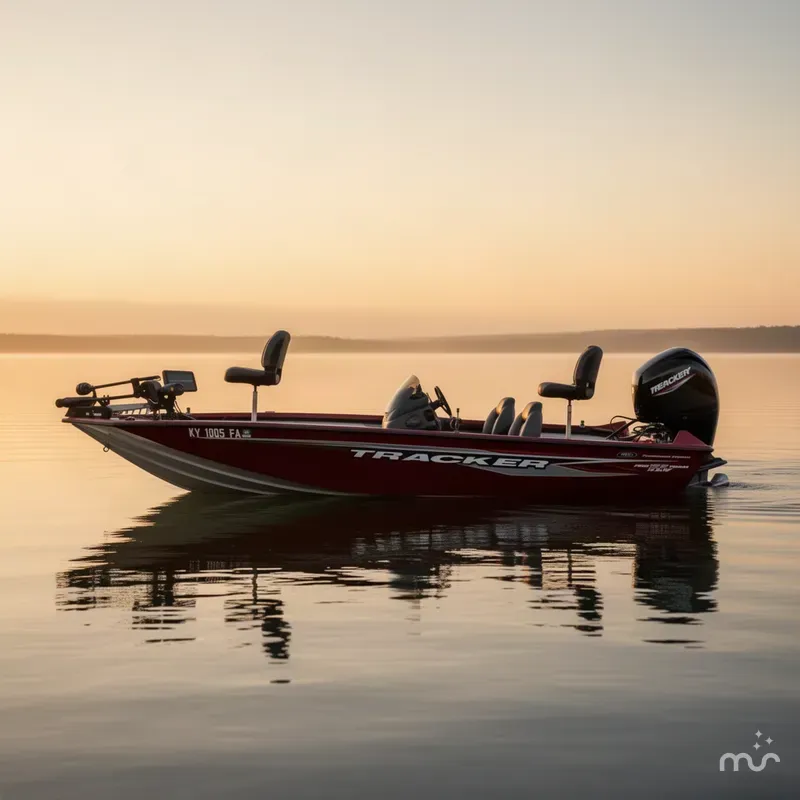
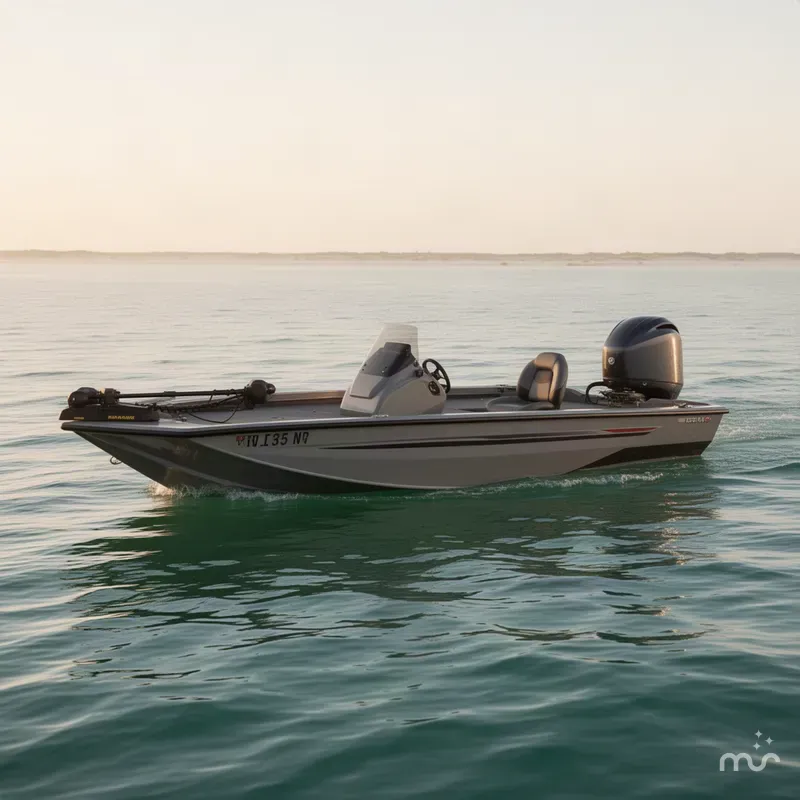
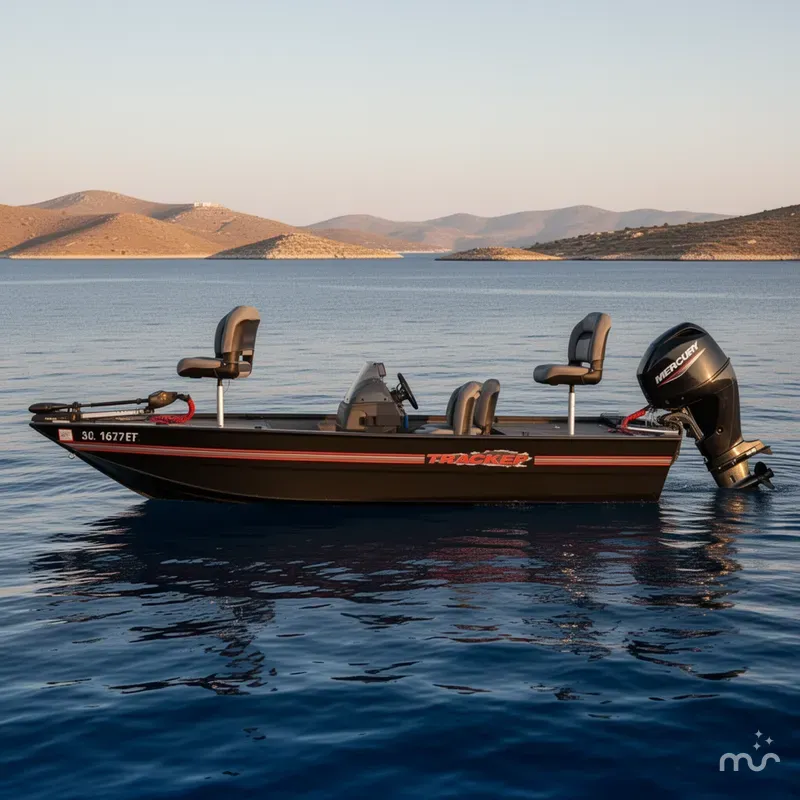
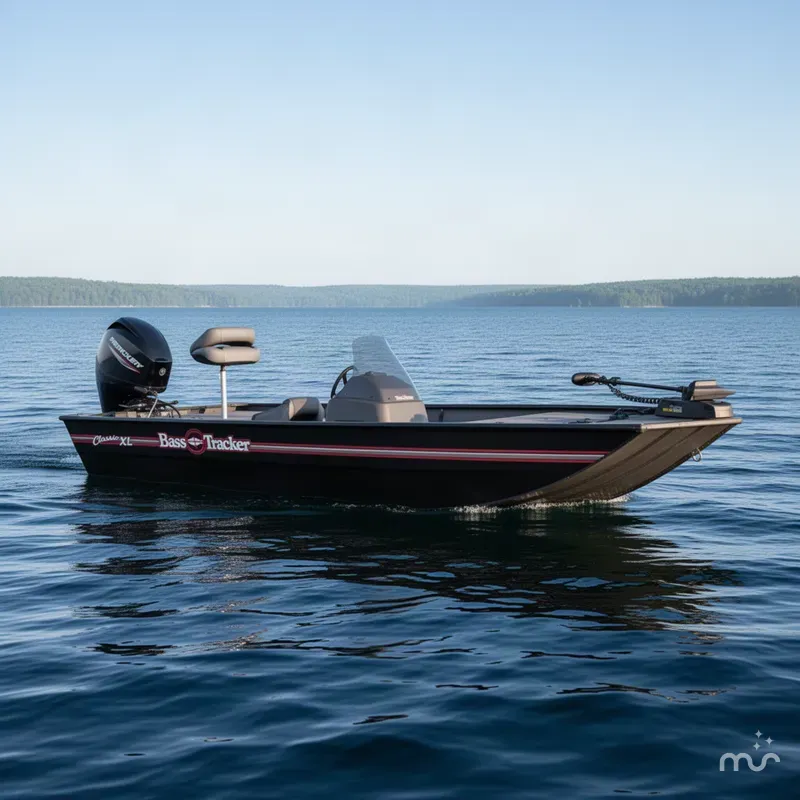
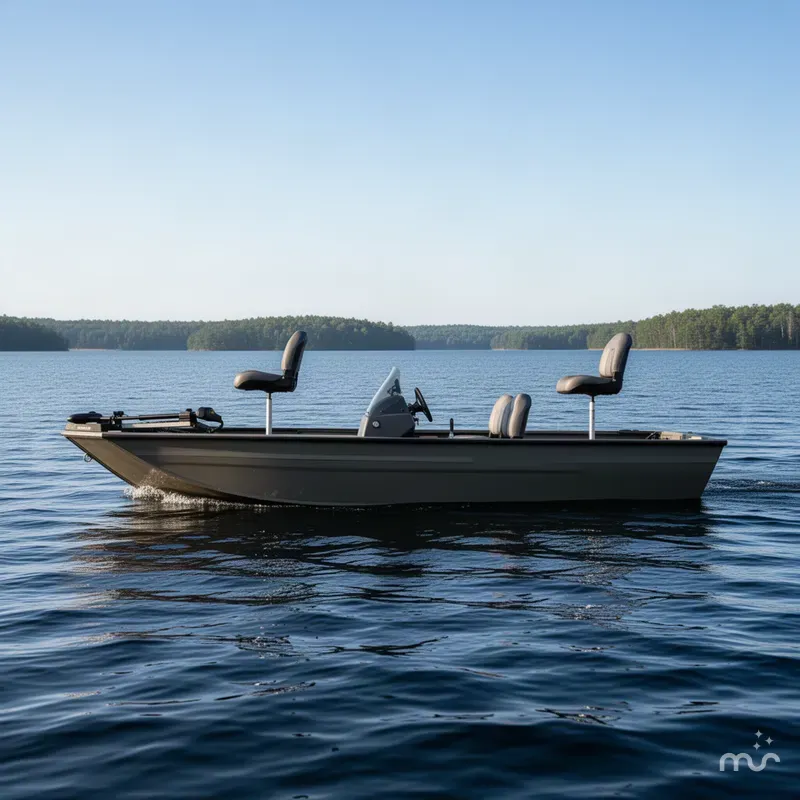
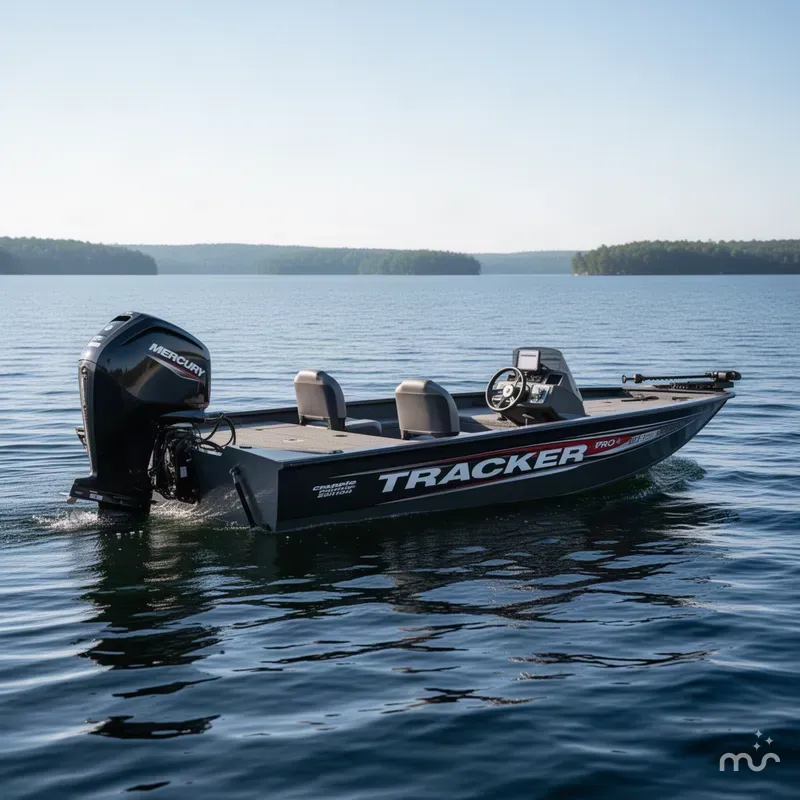
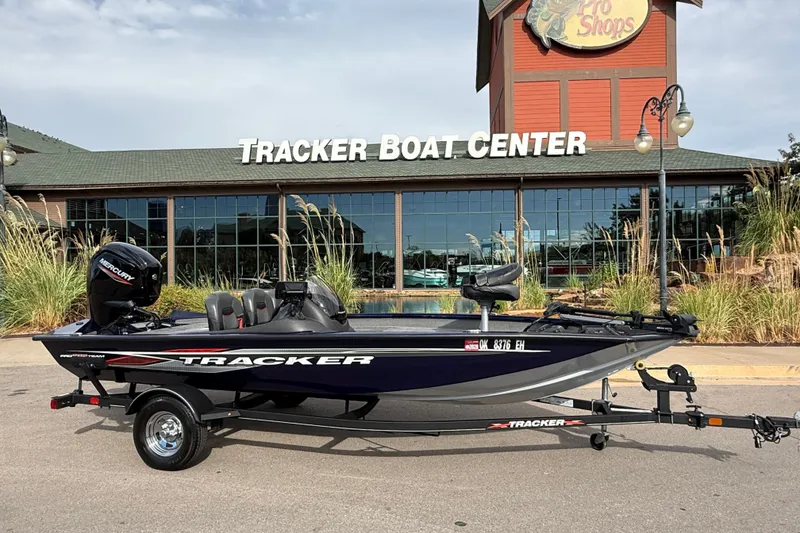
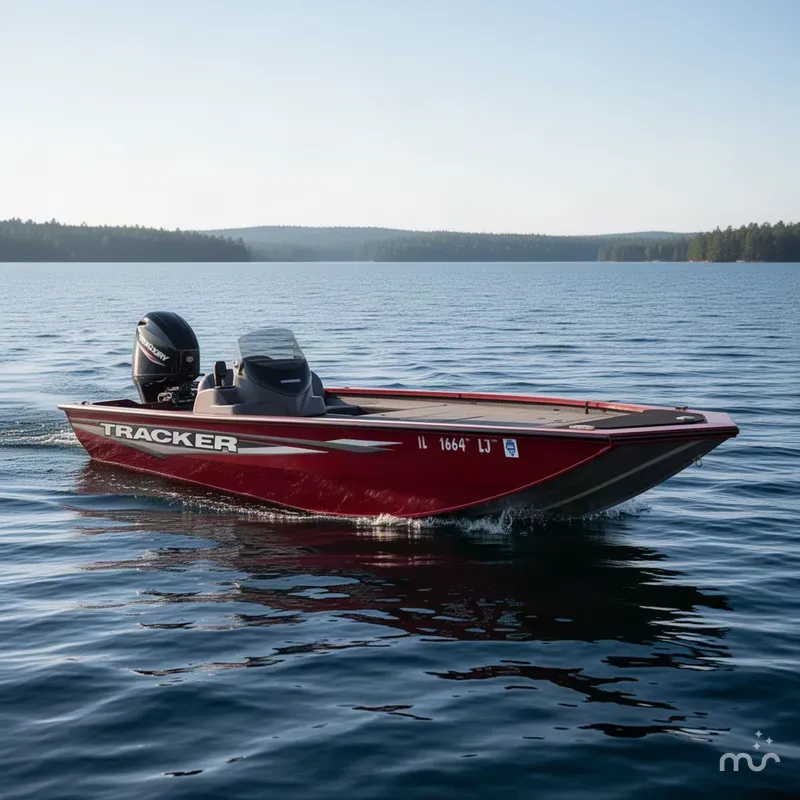
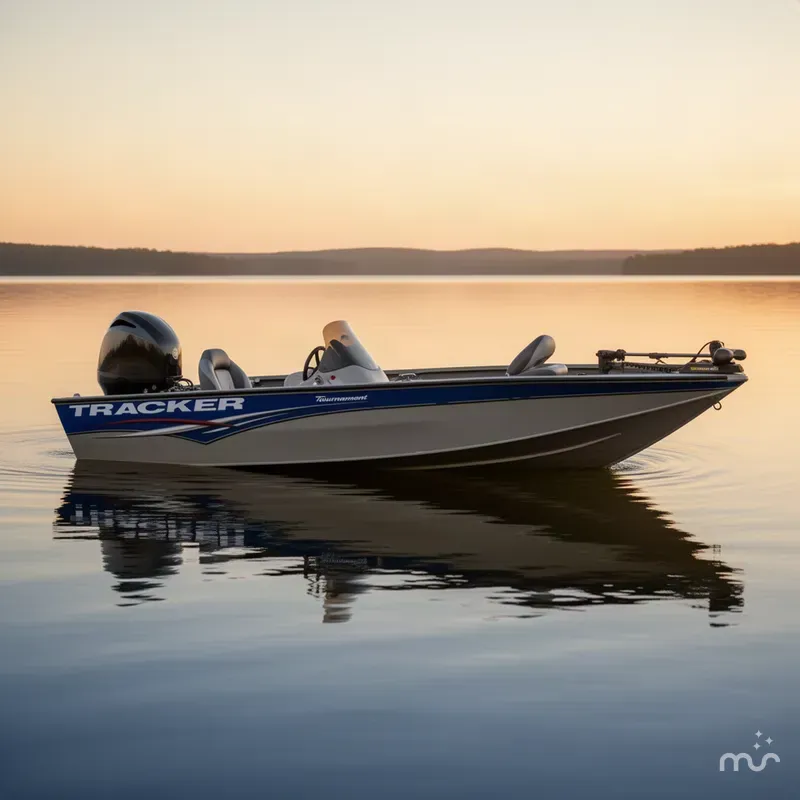
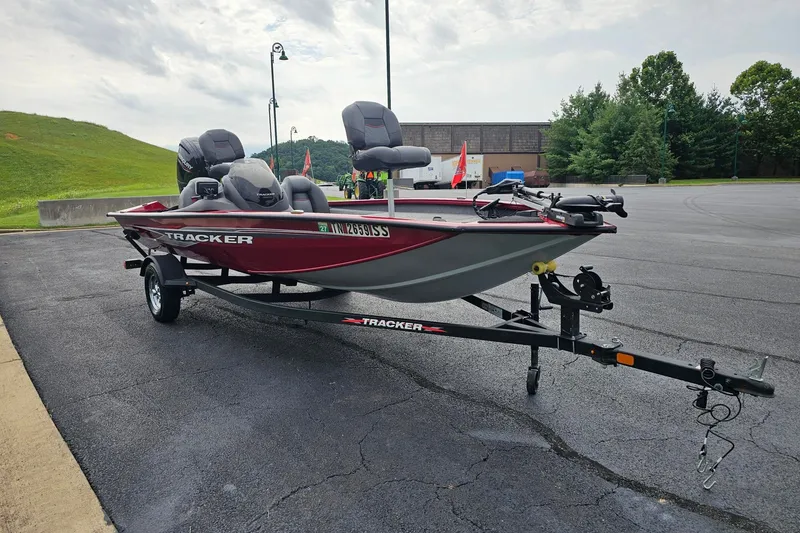
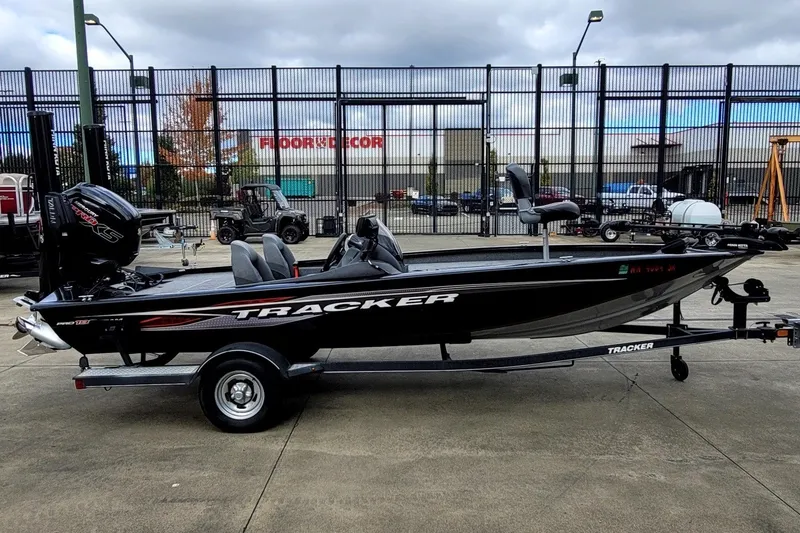

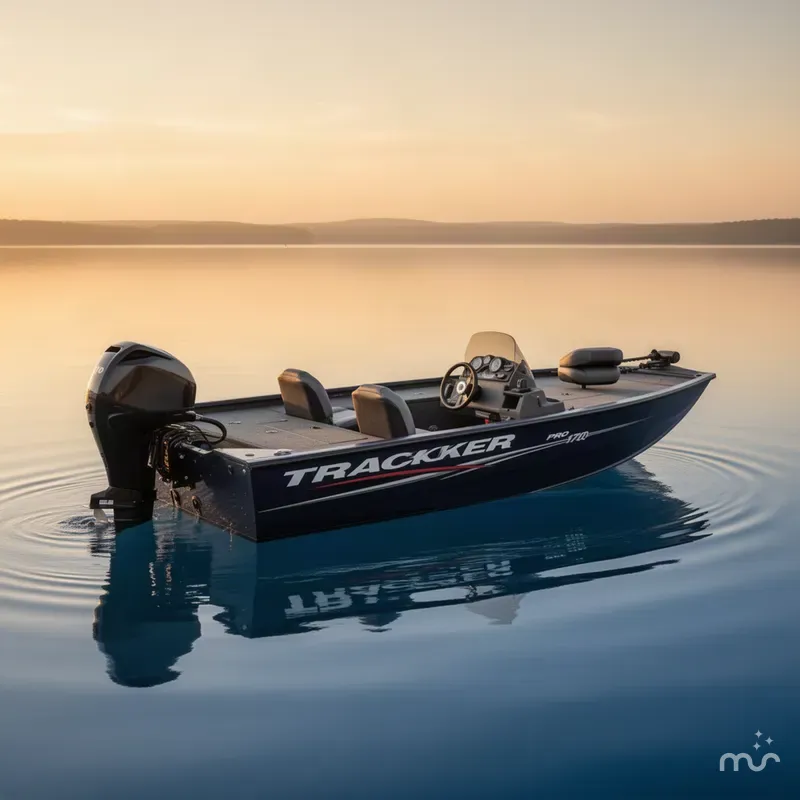
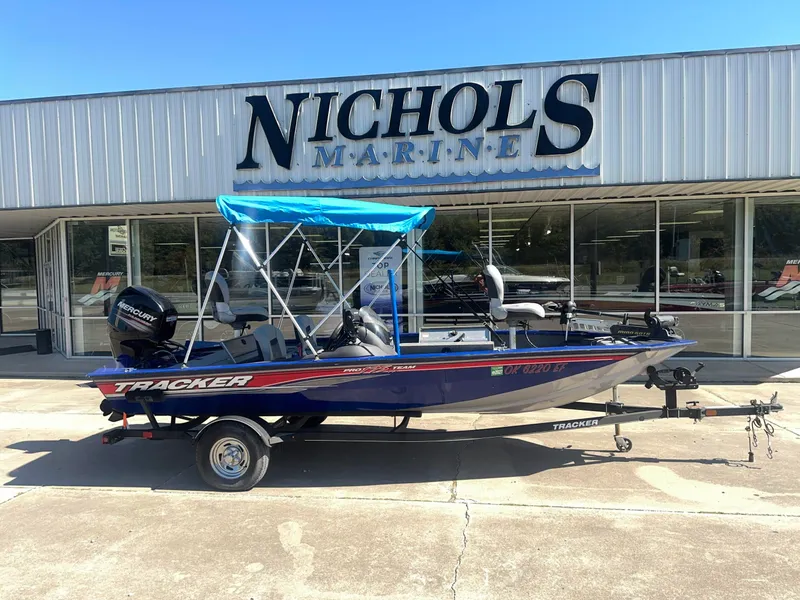
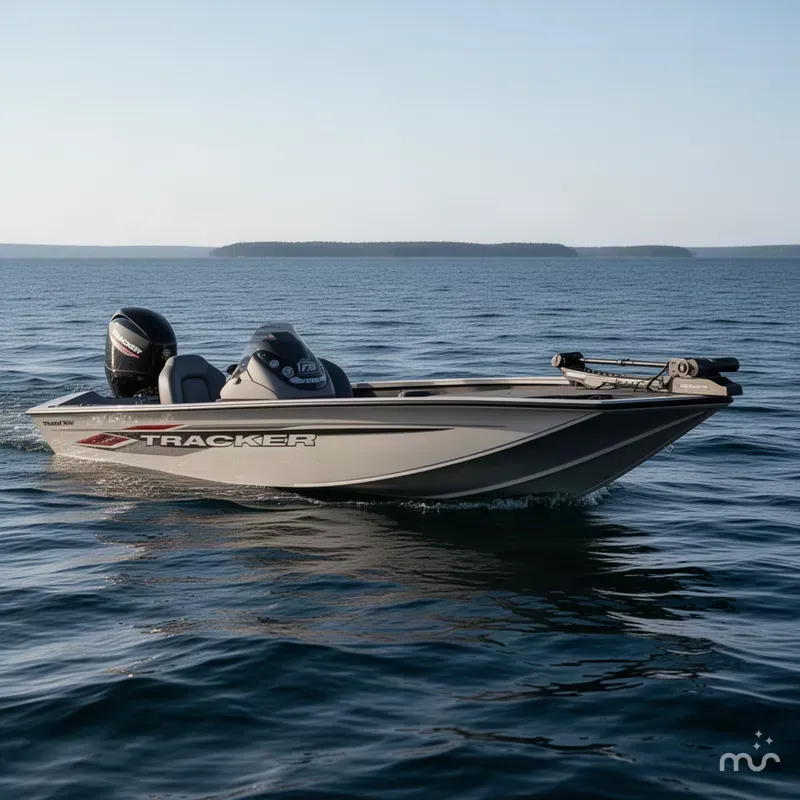
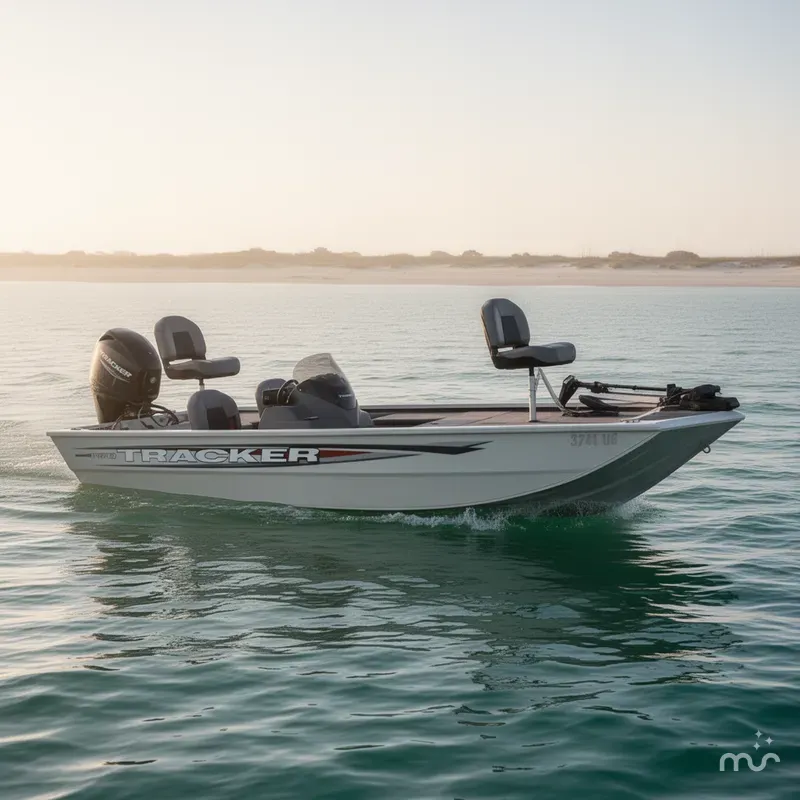
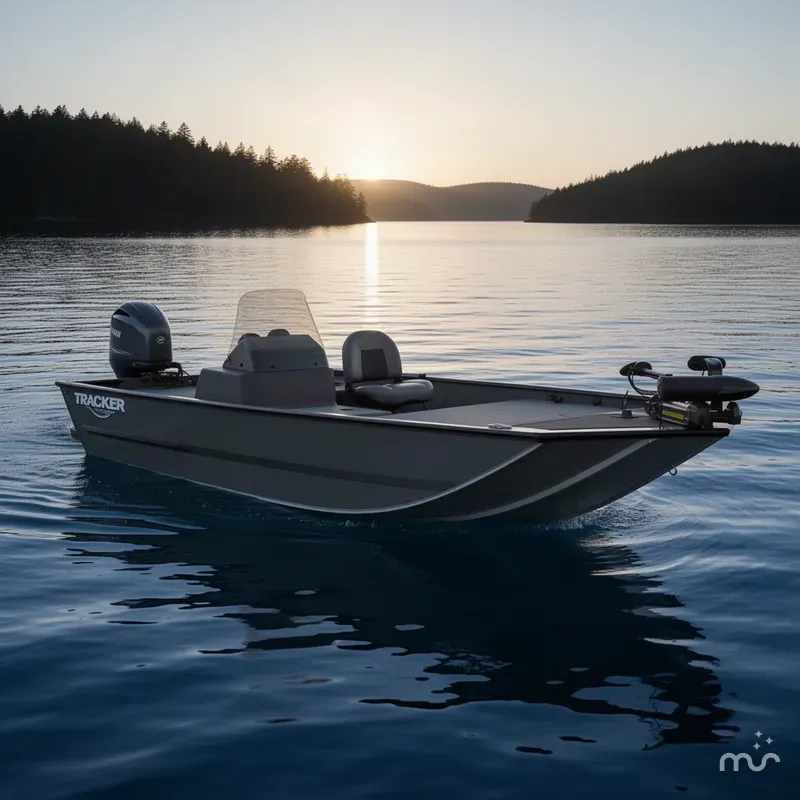
Tracker builds aluminum fishing boats under White River Marine Group, the same company behind Bass Pro Shops and Cabela's, and the lineup is aimed squarely at budget-minded and first-time buyers. Johnny Morris founded the brand in 1978, and the aluminum hulls are produced in Springfield, Missouri. Sister brands include Nitro, Ranger, Triton, Tahoe, Regency, Sun Tracker and Mako, which gives Tracker the buying scale to package boat, motor and trailer to a fixed price point. For someone moving up from a kayak or shore fishing who plans to run a boat a handful of times a year, a used Tracker is a practical way onto the water without spending big money.
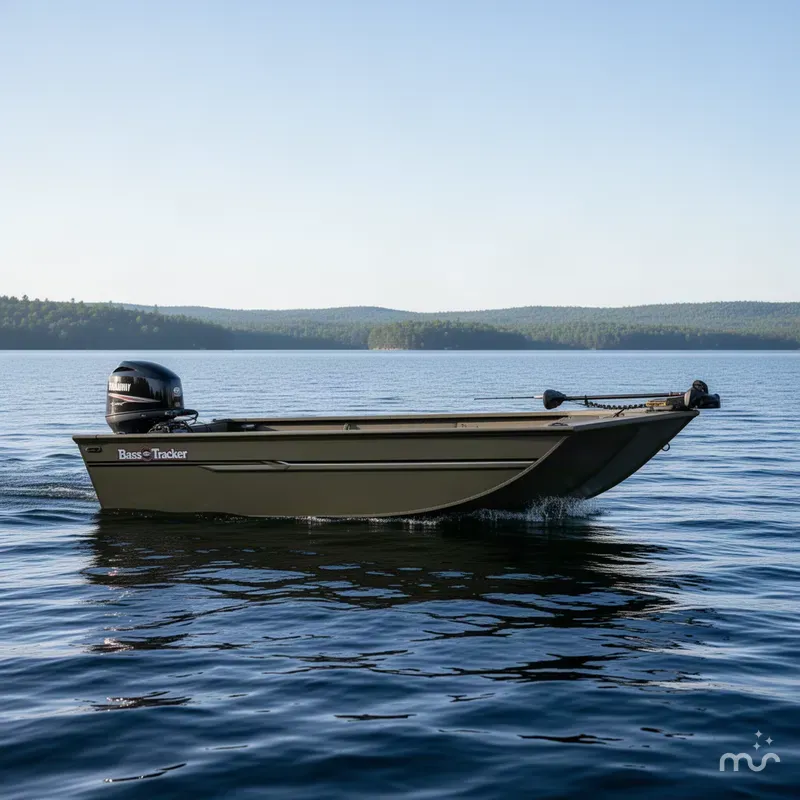
The used market centers on a few families: John boats, modified-V hulls and deep-V hulls, with sizes running from a 10-footer up to a 19-foot tournament model. New modified-V pricing starts around $16,600, and the deep-V boats climb toward roughly $46,600 with motor and trailer. On the used side, Bass Tracker Heritage and Classic models with a 40-horsepower motor commonly list between about $8,600 and $12,000, while a low-hour Classic XL with the 50-horsepower Mercury and Mercury VesselView gauges has sold near $11,300. Limited and Anniversary editions carry premiums; a 2022 example rigged with a Garmin 10-inch and a Minn Kota Ultrex 80 trolling motor and under 10 hours listed around $14,500.
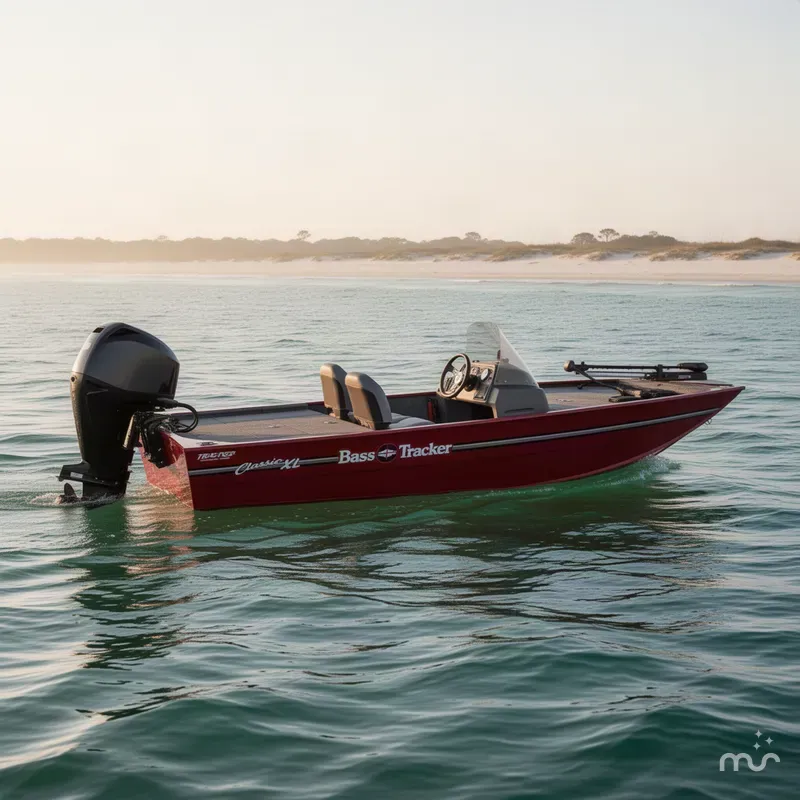
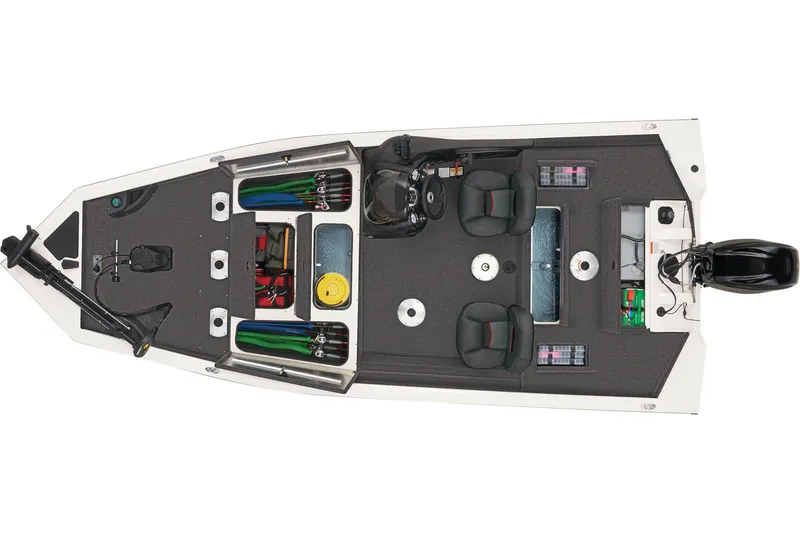
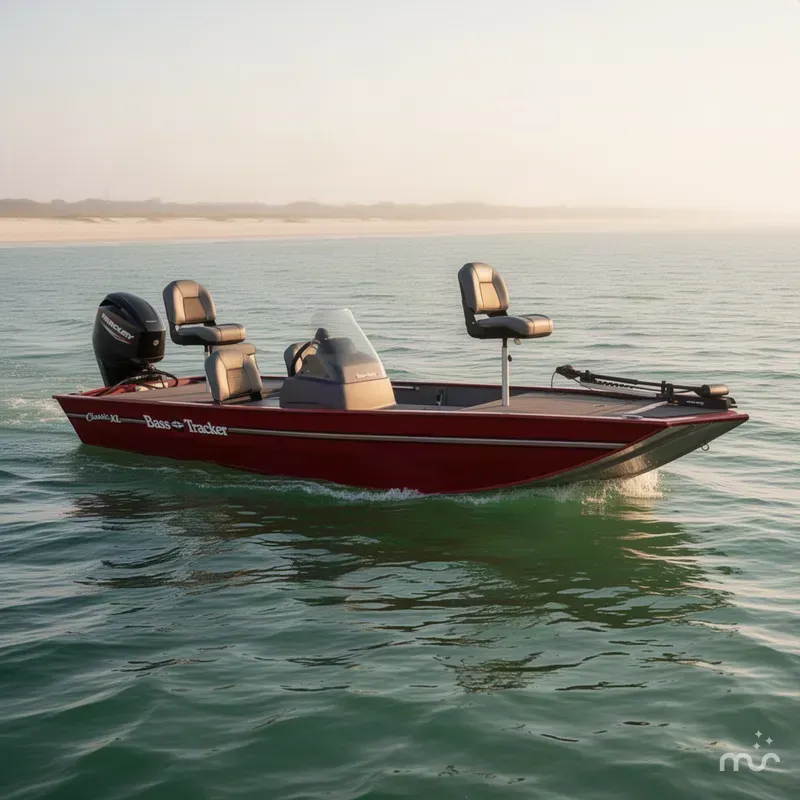
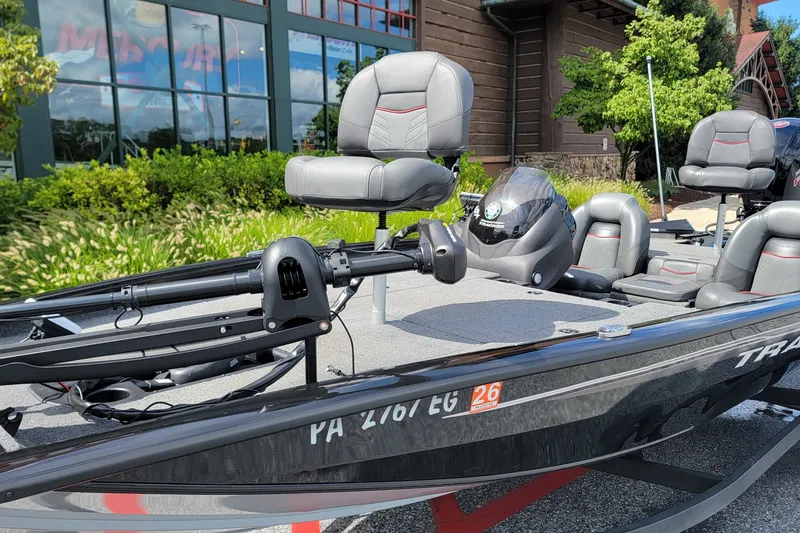
The Bass Tracker Classic XL is a welded aluminum modified-V and one of the most common used finds. It pairs with a 50-horsepower Mercury four-stroke, though the 40-horsepower is also offered, and it ships pre-rigged with a MotorGuide 45-pound-thrust trolling motor. Capacities include a 9-gallon livewell and a portable 6-gallon fuel tank that runs on 87 octane, plus space for a second battery and tank. It carries four seats but is rated for three passengers and 555 pounds, includes a Lowrance fish finder, four rod holders, and a fold-away trailer tongue that drops storage length to about 20 feet. The basic console shows RPM but no speedometer or fuel gauge.
On performance, the engine choice matters more than badge. Moving from the 40-horsepower to the 50-horsepower motor works out to roughly 4.5 mph depending on load, so buyers carrying gear and passengers should favor the larger motor. The Classic XL is light enough to launch solo, and the four-stroke is economical on fuel.
Build quality is consistent for the segment: Tracker uses 5052 aluminum alloy in thicknesses from 0.080 up to 0.125 inch on the largest boats, and the welds are robotic rather than hand-laid. The aluminum frame, hull and decking carry a lifetime warranty. Watch for the chalky oxidation stain that forms across the transom and sides, which signals real water time, and ask about trolling-motor upgrades, since bow-well cracks have been reported when owners fit heavier-thrust motors than the boat was built for. The painted trailers are the weak point and rust readily, especially if dunked in saltwater, so inspect the trailer and Bearing Buddy hubs closely. When checking a used Tracker for sale, verify engine hours, confirm the electronics package, and treat oxidation, trailer condition and any prior trolling-motor swap as the key buying points.
Currently, there are 190 boats available for sale for Tracker boats. Prices range from $3,995 to $53,799, with an average listing price of $20,595. 8 boats have been added to the marketplace in the past month. boats are most popular in Spindale, Broken Arrow, Winchester, BLOOMSBURG, and Tallahassee. There have been 1,205 boats listed on MarineSource that have sold in the past year. September is the most common month for new and used boats to be added to MarineSource, so be sure to check back regularly. June is the most common month for boats to sell, so be sure to beat the rush! The most common activities for boats are freshwater fishing and day cruising. Most boats contain gps, sonar, depth sounder, heated interior, and radio. boats tend to have an average of 1 engine. It is common for boats to have Mercury engines or MERCURY MARINE engines or MERCURY engines.
The used market centers on a few families: John boats, modified-V hulls and deep-V hulls, with sizes running from a 10-footer up to a 19-foot tournament model. New modified-V pricing starts around $16,600, and the deep-V boats climb toward roughly $46,600 with motor and trailer. On the used side, Bass Tracker Heritage and Classic models with a 40-horsepower motor commonly list between about $8,600 and $12,000, while a low-hour Classic XL with the 50-horsepower Mercury and Mercury VesselView gauges has sold near $11,300. Limited and Anniversary editions carry premiums; a 2022 example rigged with a Garmin 10-inch and a Minn Kota Ultrex 80 trolling motor and under 10 hours listed around $14,500.
The Bass Tracker Classic XL is a welded aluminum modified-V and one of the most common used finds. It pairs with a 50-horsepower Mercury four-stroke, though the 40-horsepower is also offered, and it ships pre-rigged with a MotorGuide 45-pound-thrust trolling motor. Capacities include a 9-gallon livewell and a portable 6-gallon fuel tank that runs on 87 octane, plus space for a second battery and tank. It carries four seats but is rated for three passengers and 555 pounds, includes a Lowrance fish finder, four rod holders, and a fold-away trailer tongue that drops storage length to about 20 feet. The basic console shows RPM but no speedometer or fuel gauge.
On performance, the engine choice matters more than badge. Moving from the 40-horsepower to the 50-horsepower motor works out to roughly 4.5 mph depending on load, so buyers carrying gear and passengers should favor the larger motor. The Classic XL is light enough to launch solo, and the four-stroke is economical on fuel.
Build quality is consistent for the segment: Tracker uses 5052 aluminum alloy in thicknesses from 0.080 up to 0.125 inch on the largest boats, and the welds are robotic rather than hand-laid. The aluminum frame, hull and decking carry a lifetime warranty. Watch for the chalky oxidation stain that forms across the transom and sides, which signals real water time, and ask about trolling-motor upgrades, since bow-well cracks have been reported when owners fit heavier-thrust motors than the boat was built for. The painted trailers are the weak point and rust readily, especially if dunked in saltwater, so inspect the trailer and Bearing Buddy hubs closely. When checking a used Tracker for sale, verify engine hours, confirm the electronics package, and treat oxidation, trailer condition and any prior trolling-motor swap as the key buying points.
Currently, there are 190 boats available for sale for Tracker boats. Prices range from $3,995 to $53,799, with an average listing price of $20,595. 8 boats have been added to the marketplace in the past month. boats are most popular in Spindale, Broken Arrow, Winchester, BLOOMSBURG, and Tallahassee. There have been 1,205 boats listed on MarineSource that have sold in the past year. September is the most common month for new and used boats to be added to MarineSource, so be sure to check back regularly. June is the most common month for boats to sell, so be sure to beat the rush! The most common activities for boats are freshwater fishing and day cruising. Most boats contain gps, sonar, depth sounder, heated interior, and radio. boats tend to have an average of 1 engine. It is common for boats to have Mercury engines or MERCURY MARINE engines or MERCURY engines.
Insights and Analytics for Tracker Boats for Sale
Updated October 25, 2026
190
total Tracker boats for sale
8
Tracker boats for sale added in the past month
1,205
Tracker boats for sale sold in the past year
$20,595
is the average listing price of Tracker boats for sale
Market Activity
The busiest month for Tracker boats for sale is Jun, with 15 boats added and 141 boats sold
Browse Tracker Boats by Type
Tracker Jon Boats for SaleTracker Aluminum Fishing Boats for SaleTracker Bass Boats for SaleTracker Pontoon Boats for SaleTracker Utility Boats for SaleTracker Freshwater Fishing Boats for SaleTracker Center Console Boats for SaleTracker Saltwater Fishing Boats for SaleTracker Ski and Fish Boats for SaleTracker Bowrider Boats for SaleTracker Sport Fishing Boats for SaleTracker Jet Boats for SaleTracker All PWCs Boats for SaleTracker Bay Boats for SaleTracker Deck Boats for SaleTracker Flats Boats for SaleTracker Barge Boats for SaleTracker Unspecified Boats for SaleTracker Ski and Wakeboard Boats for SaleTracker Tender (Unpowered) Boats for Sale
Browse Similar Boat Types
Browse Tracker Boats by State
Tracker Boats in FloridaTracker Boats in TexasTracker Boats in MichiganTracker Boats in North CarolinaTracker Boats in GeorgiaTracker Boats in MissouriTracker Boats in AlabamaTracker Boats in CaliforniaTracker Boats in WisconsinTracker Boats in VirginiaTracker Boats in South CarolinaTracker Boats in LouisianaTracker Boats in IllinoisTracker Boats in MinnesotaTracker Boats in OhioTracker Boats in OklahomaTracker Boats in IndianaTracker Boats in New YorkTracker Boats in WashingtonTracker Boats in Pennsylvania
 Login with Google