

Older Bass Tracker Boats For Sale
31 Results
Relevance
Best
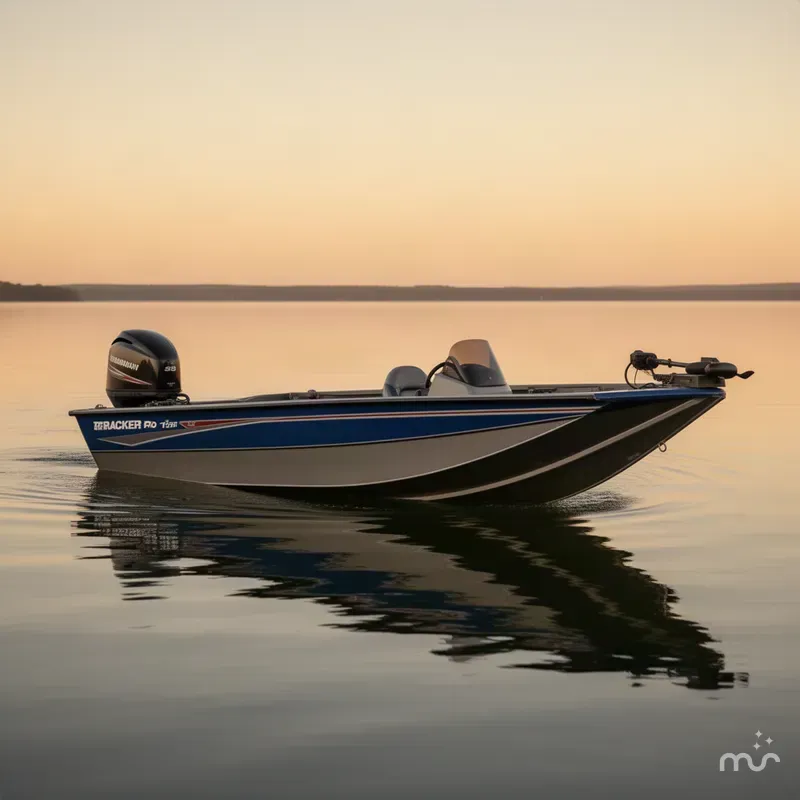
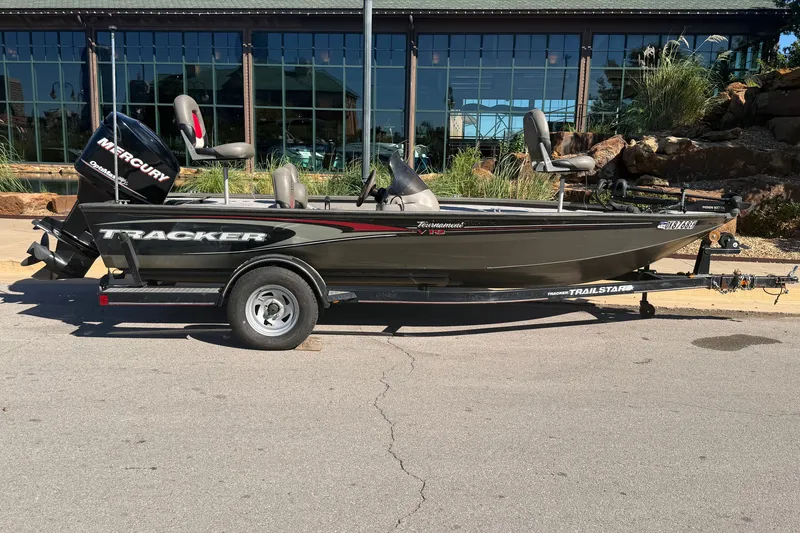
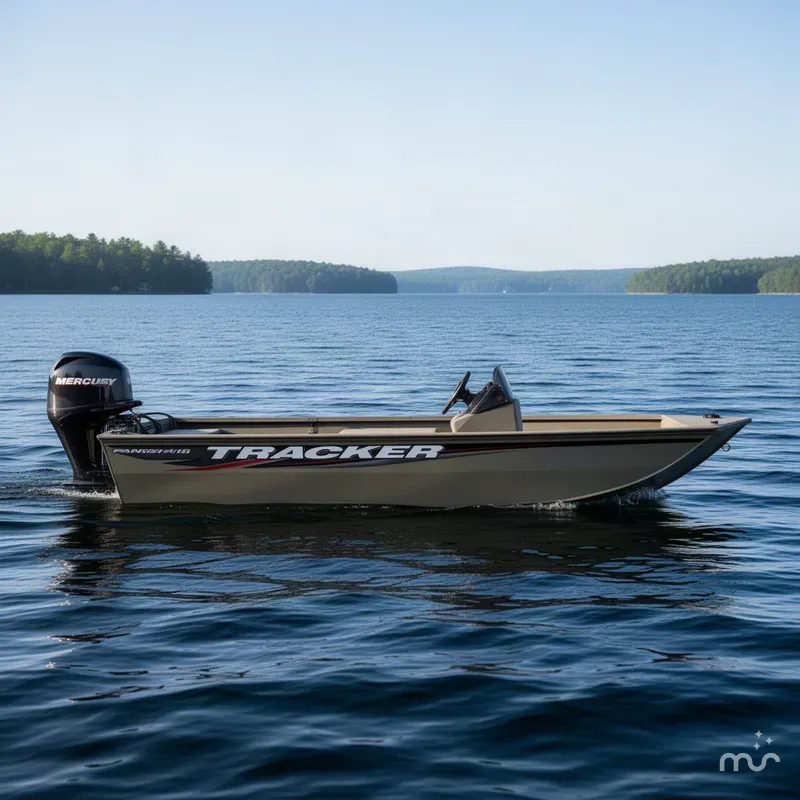
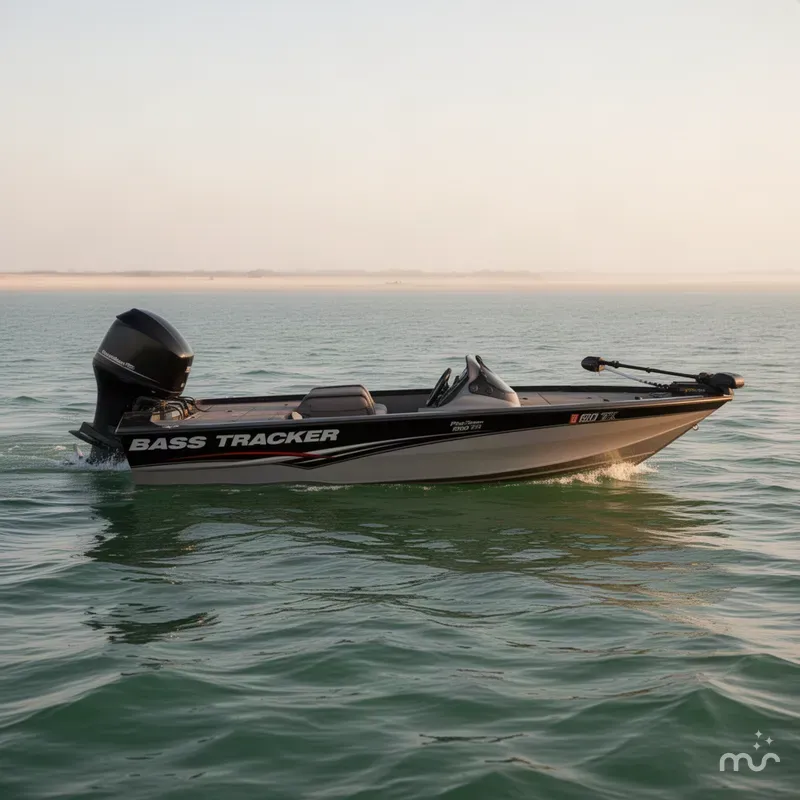
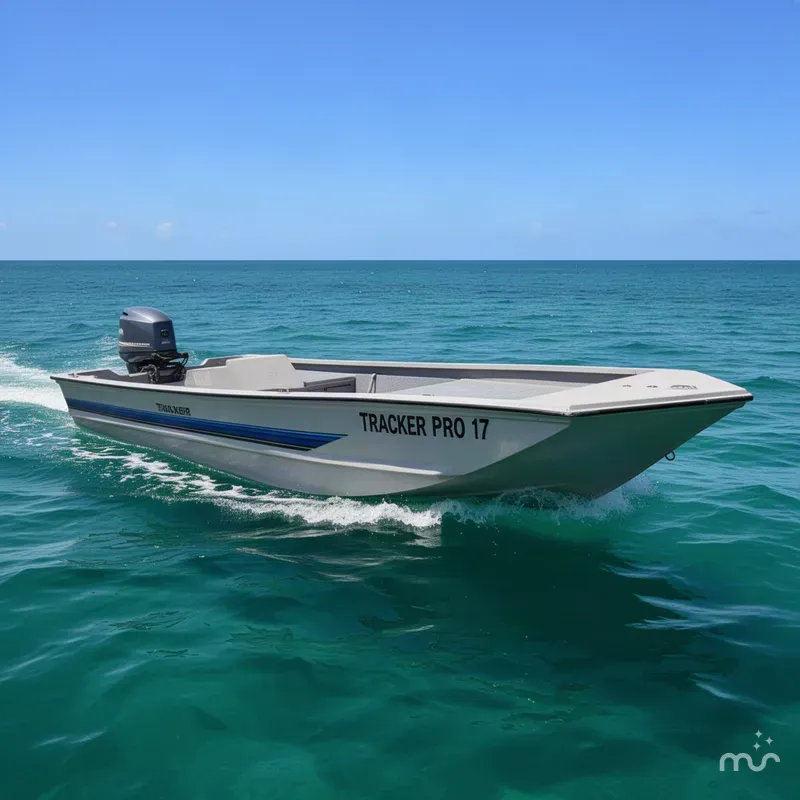
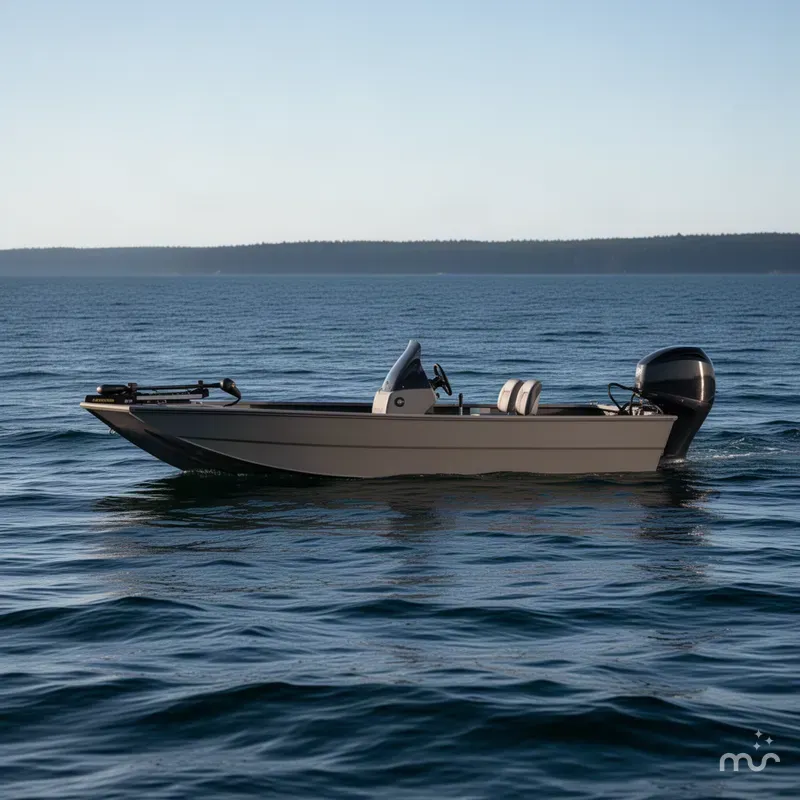
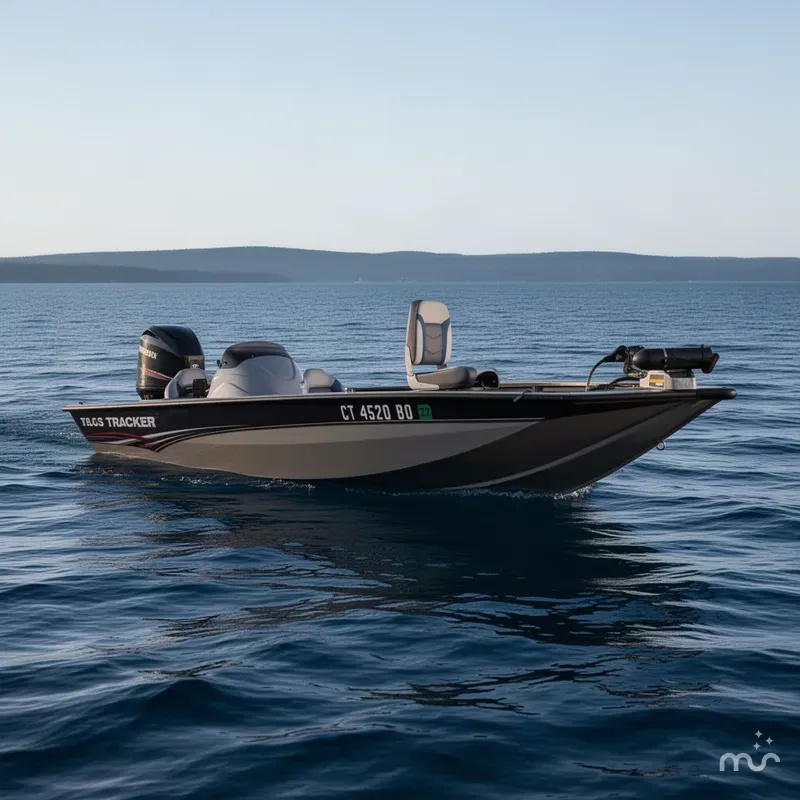
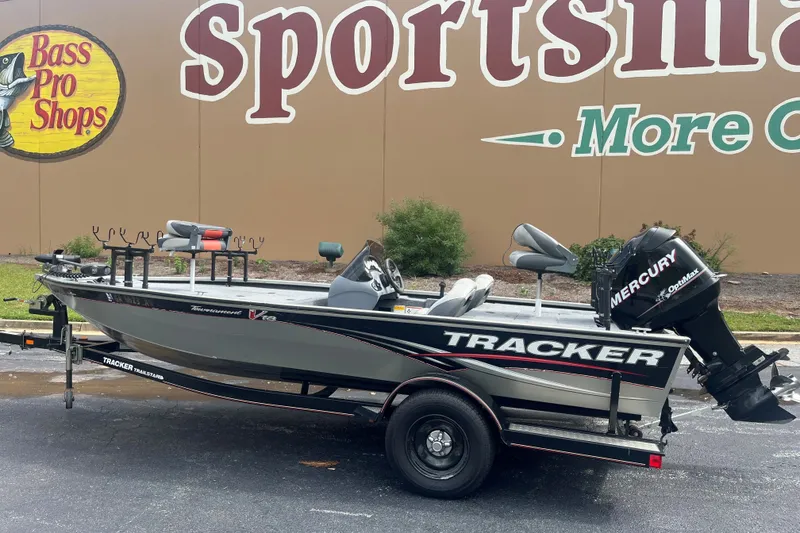
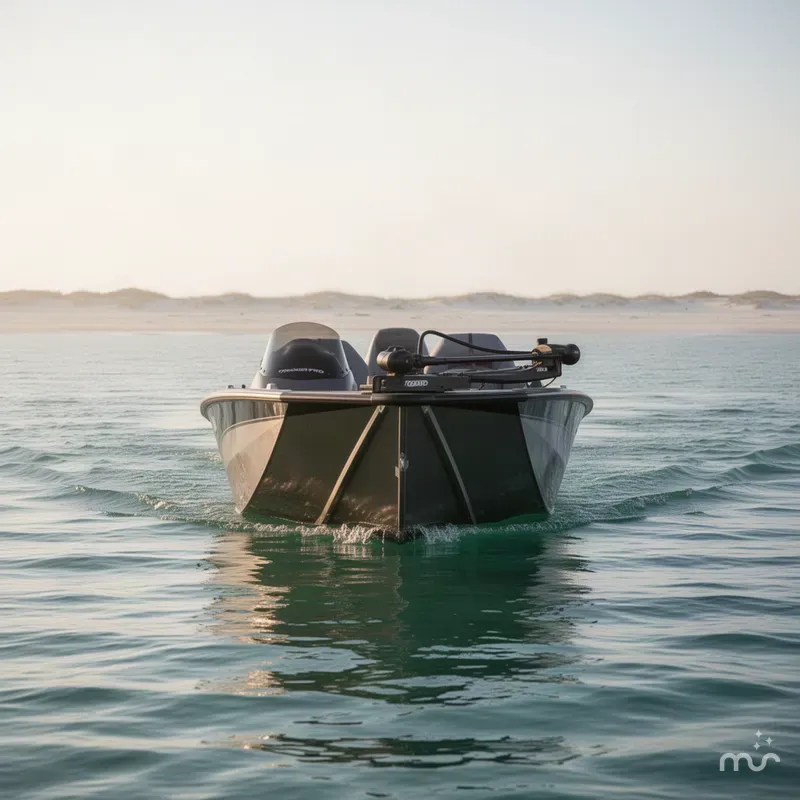
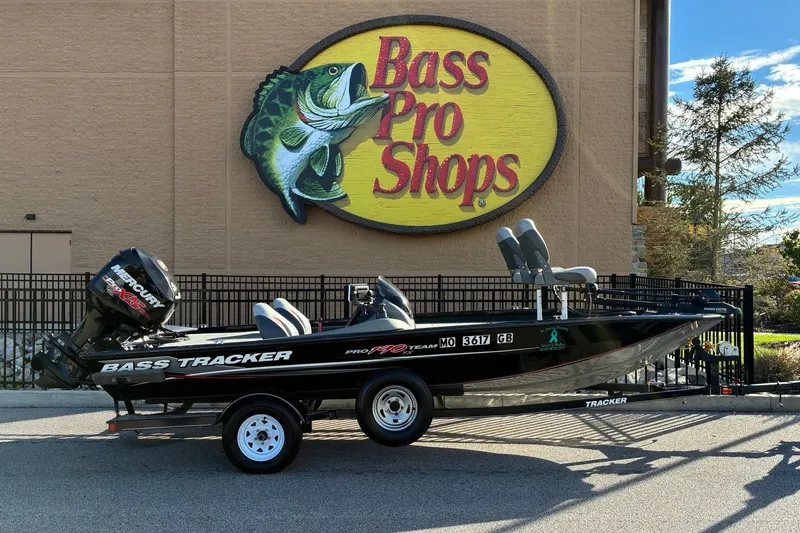

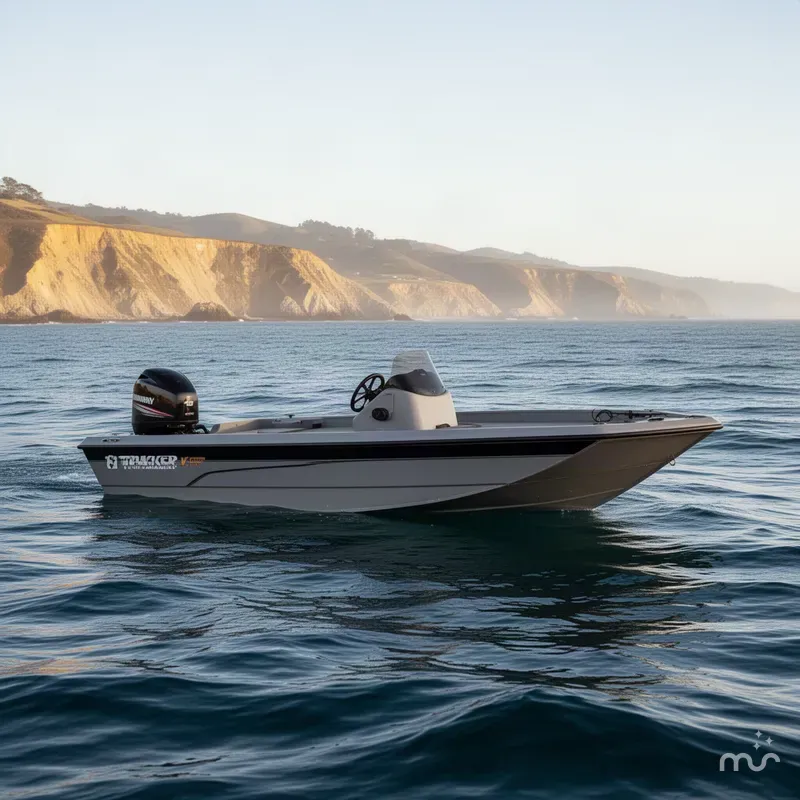
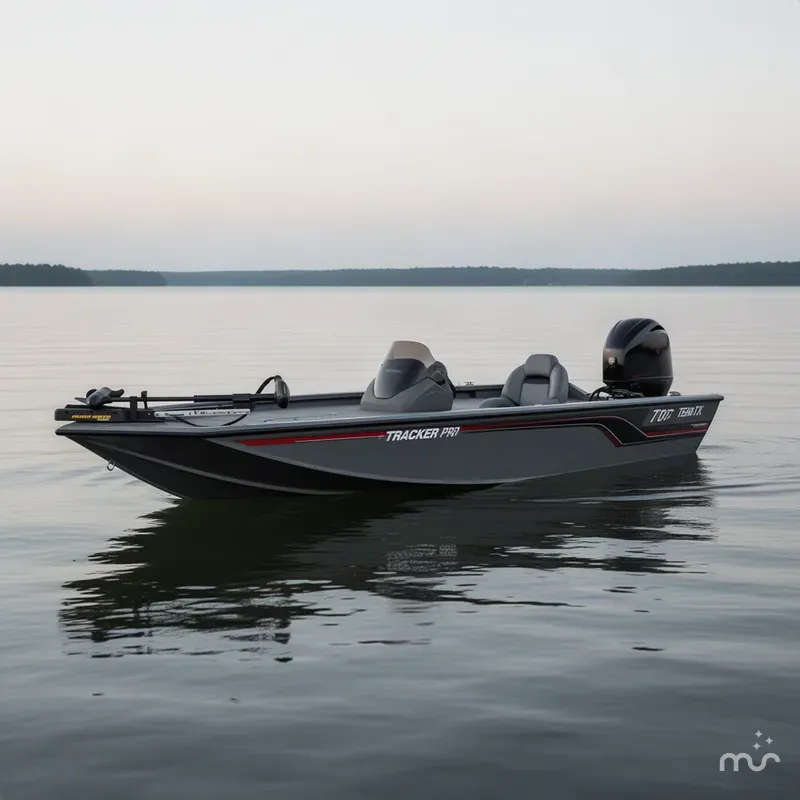

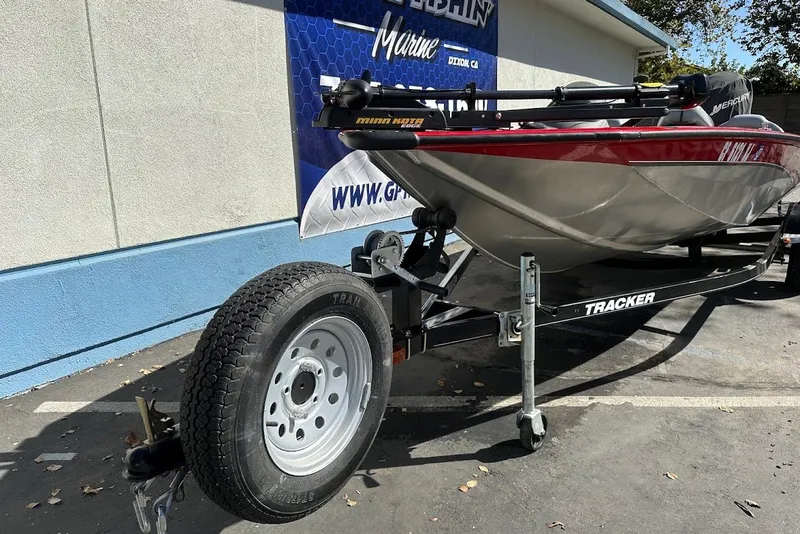
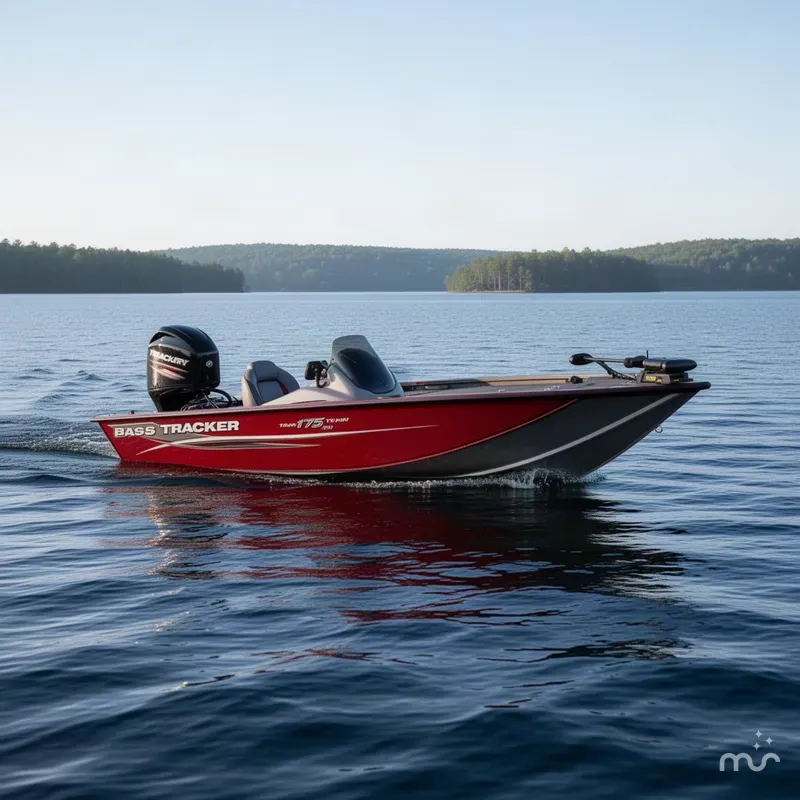

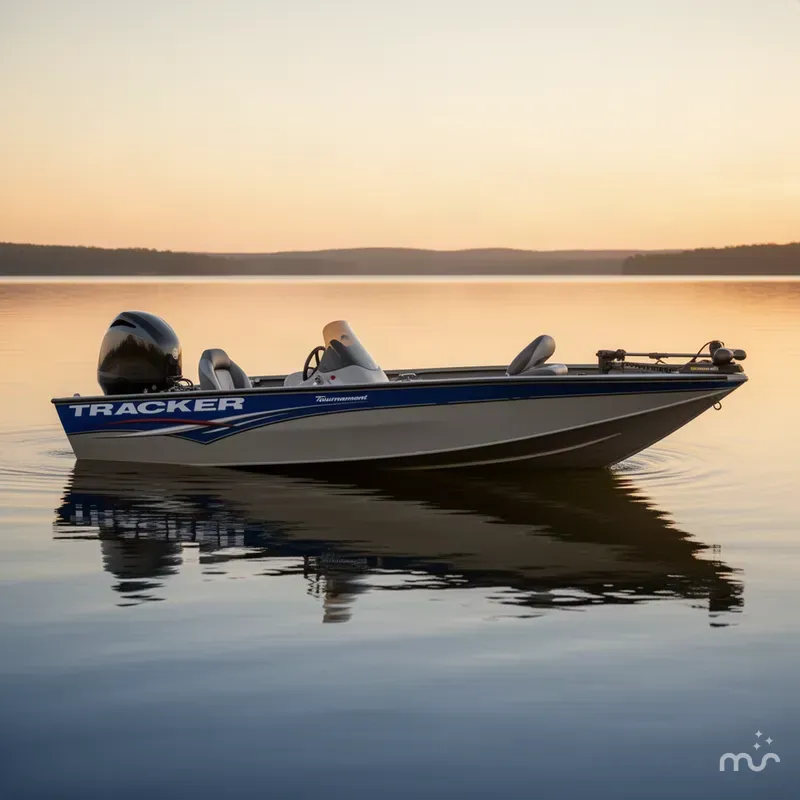
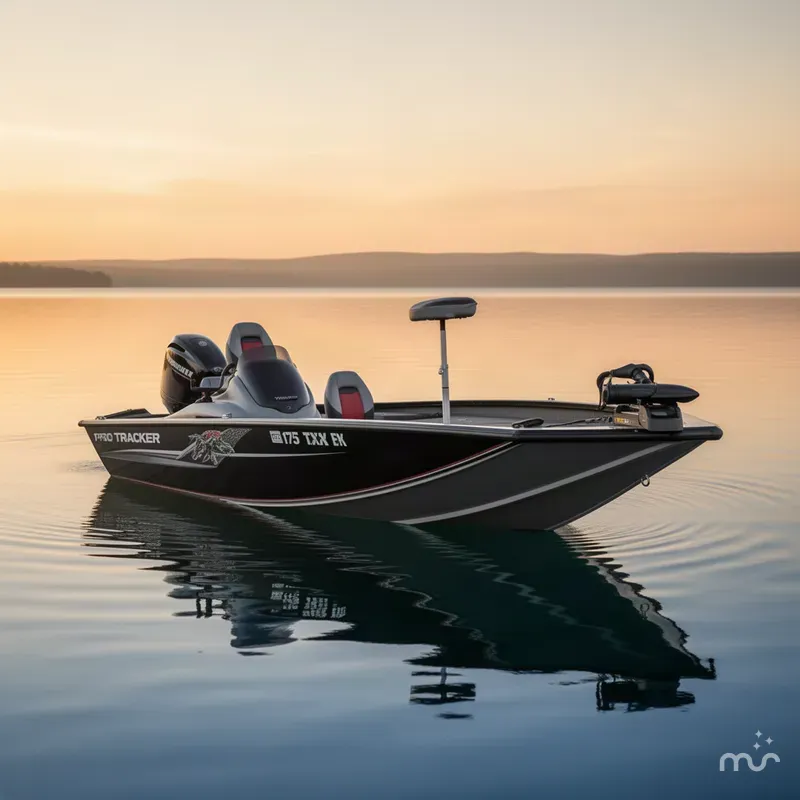



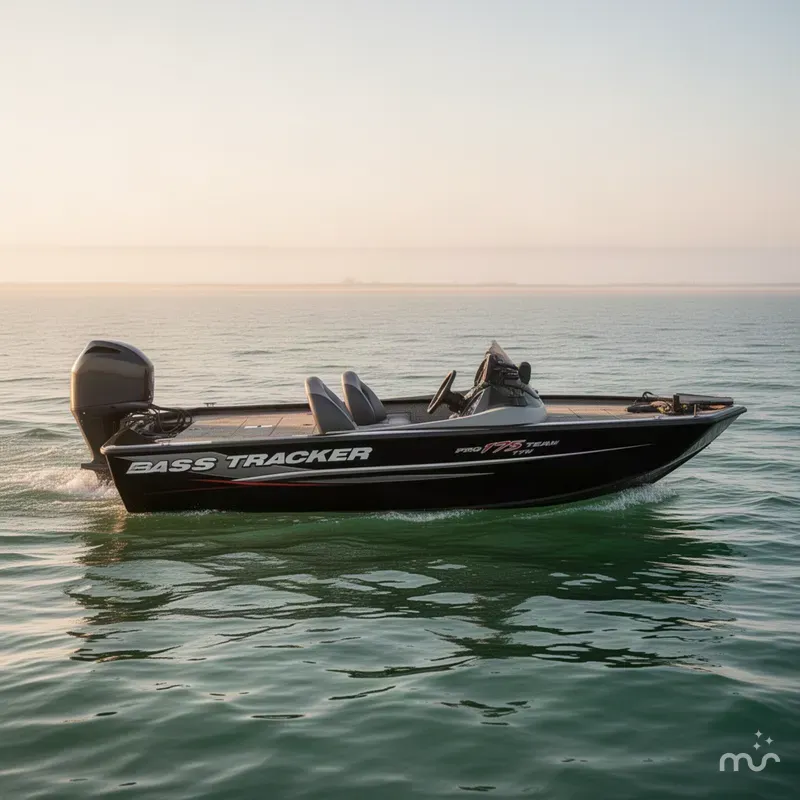
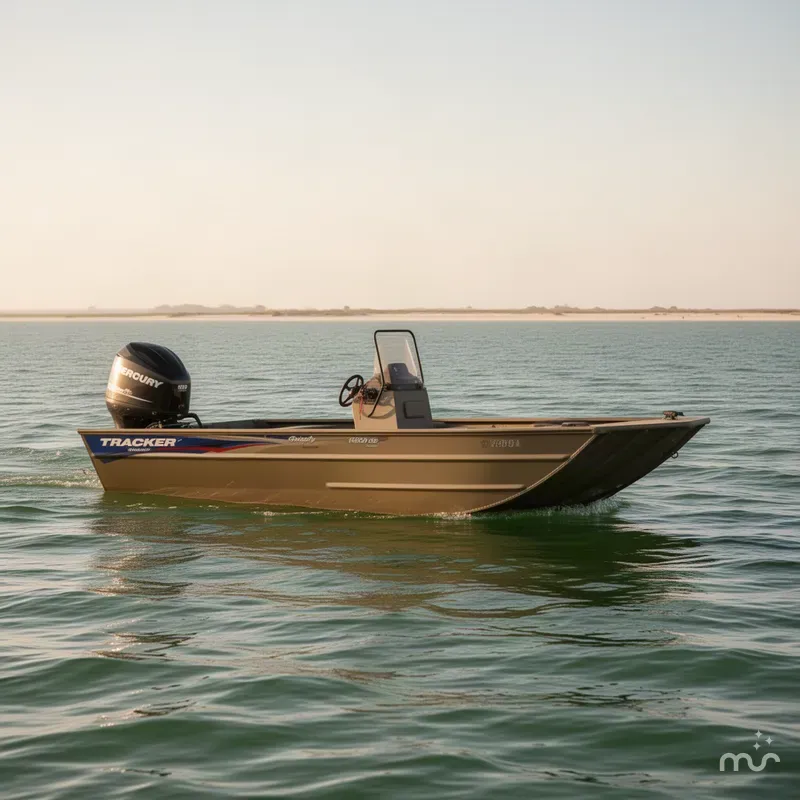


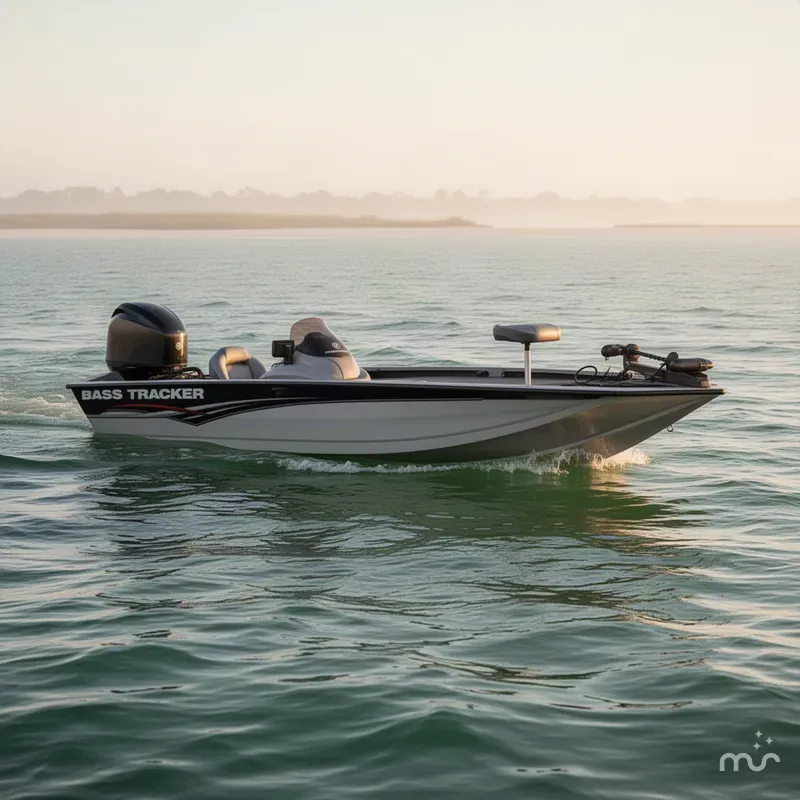


Bass Tracker built its reputation on affordable, all-welded aluminum bass boats, and the used market spans decades of them. The earliest models, sold simply as Bass Tracker before the Heritage and Classic names appeared, ran around $2,995 new and were stripped down by today's standards: batteries and gas tanks sat exposed on the deck, there was no elevated casting platform, and a small forward seat let an extra person ride along. Those originals carried a compact 40-horsepower Mercury outboard, sometimes still rope-started rather than electric. A buyer shopping older Bass Tracker boats is choosing a simple, repairable aluminum hull over fiberglass complexity.
The mid-1990s boats are a common find. The 1995 Tracker Tournament Pro 18 listed new at $4,995 and replaced the older TX17, adding width and three cross seats for more standing and fishing room. It came standard with a 40-horsepower motor, with 60, 75, and 90-horsepower options available, and a 20-gallon fuel tank. Equipment included a 12-volt, 37-pound-thrust foot-control trolling motor on a 42-inch shaft, lockable rod storage, a front live well, and a deluxe console with fuel gauge, speedometer, tachometer, voltmeter, and windshield. A jet-powered ProJet 18 was offered for river fishing where a prop in the water is a liability.
Performance on these smaller Trackers tracks closely with horsepower and load. A Bass Tracker Classic running a 40-horsepower outboard topped out at 31.8 mph, while a Heritage with a 50-horsepower motor reached 36.2 mph in the same conditions, so even five extra horsepower changes the numbers noticeably. The amount of gear stowed up front also drags top speed down. These are boats meant for moderate speeds; the aluminum hull will shrug off bumping a submerged tree at low speed, but hitting a solid object like a metal fence post at 20 mph can gouge a hole.
The newer entry-level boats, such as the Bass Tracker 175, sold brand new around $20,000 to $22,000 all in. The hull is 100% welded with no rivets, which keeps water out and adds durability over riveted competitors. Standard color choices were limited to red, blue, or black, and the boats came with fixed bucket seats and a 45-pound-thrust trolling motor. Customization at purchase is minimal, and dealer upgrades like swapping to a 55-pound trolling motor add both the part cost and installation labor.
Several weak points show up with age and are worth checking before buying any used Bass Tracker. The carpet wears quickly, often showing significant wear by the four-to-five-year mark even with heavy maintenance, and faster in hot, high-sun climates. The wiring is thinner and cheaper than what higher-end brands use. The decking is treated wood rather than aluminum, and it can bow underfoot in intense heat. Trailers do not include a spare tire, so budget roughly $200 to $300 for a spare and mount before any long tow. Inspect the outboard closely, since factory warranties on the motor typically run about three years and most original coverage on older boats has long expired.
Browse Tracker Boats by Type
Tracker Jon Boats for SaleTracker Aluminum Fishing Boats for SaleTracker Bass Boats for SaleTracker Pontoon Boats for SaleTracker Utility Boats for SaleTracker Freshwater Fishing Boats for SaleTracker Center Console Boats for SaleTracker Saltwater Fishing Boats for SaleTracker Ski and Fish Boats for SaleTracker Bowrider Boats for SaleTracker Sport Fishing Boats for SaleTracker Jet Boats for SaleTracker All PWCs Boats for SaleTracker Bay Boats for SaleTracker Deck Boats for SaleTracker Flats Boats for SaleTracker Barge Boats for SaleTracker Unspecified Boats for SaleTracker Ski and Wakeboard Boats for SaleTracker Tender (Unpowered) Boats for Sale
Browse Similar Boat Types
Browse Tracker Boats by State
Tracker Boats in FloridaTracker Boats in TexasTracker Boats in MichiganTracker Boats in North CarolinaTracker Boats in GeorgiaTracker Boats in MissouriTracker Boats in AlabamaTracker Boats in CaliforniaTracker Boats in WisconsinTracker Boats in VirginiaTracker Boats in South CarolinaTracker Boats in LouisianaTracker Boats in IllinoisTracker Boats in MinnesotaTracker Boats in OhioTracker Boats in OklahomaTracker Boats in IndianaTracker Boats in New YorkTracker Boats in WashingtonTracker Boats in Pennsylvania
 Login with Google