18 Foot Sea-Doo Switch Pontoons For Sale
128 Results
Relevance
Best
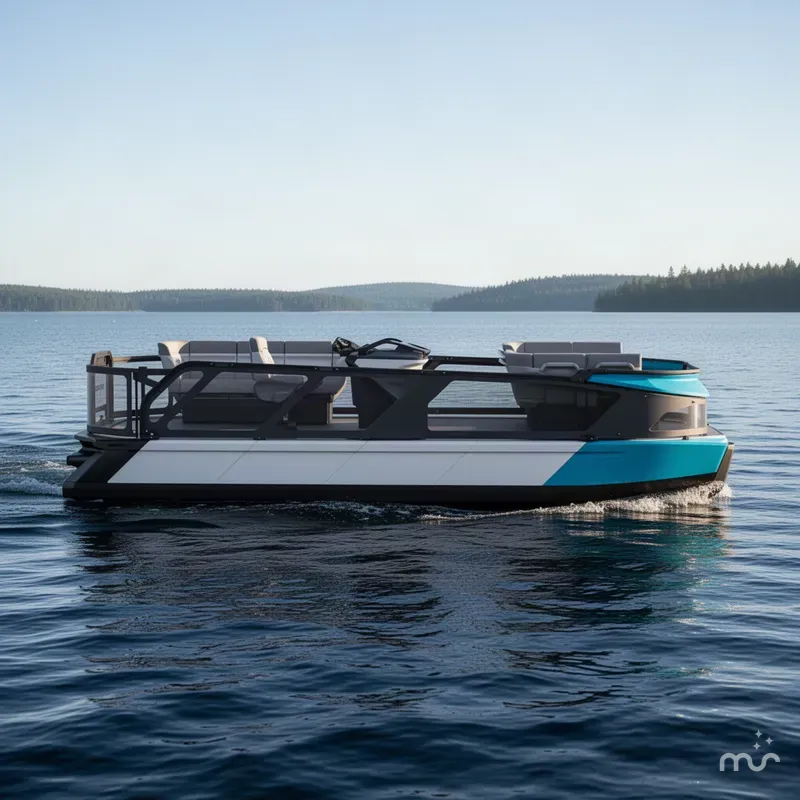
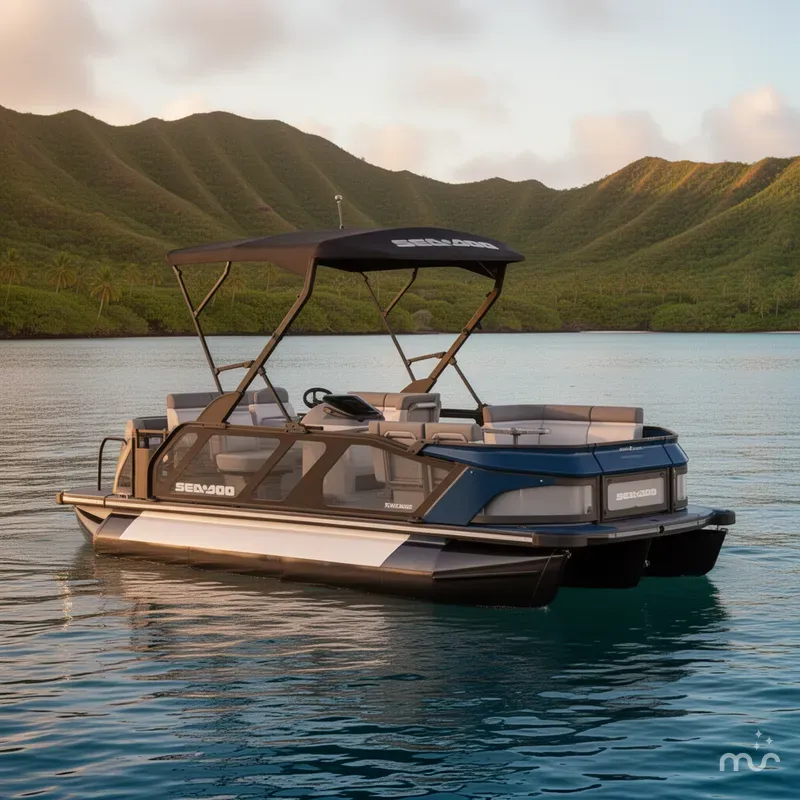
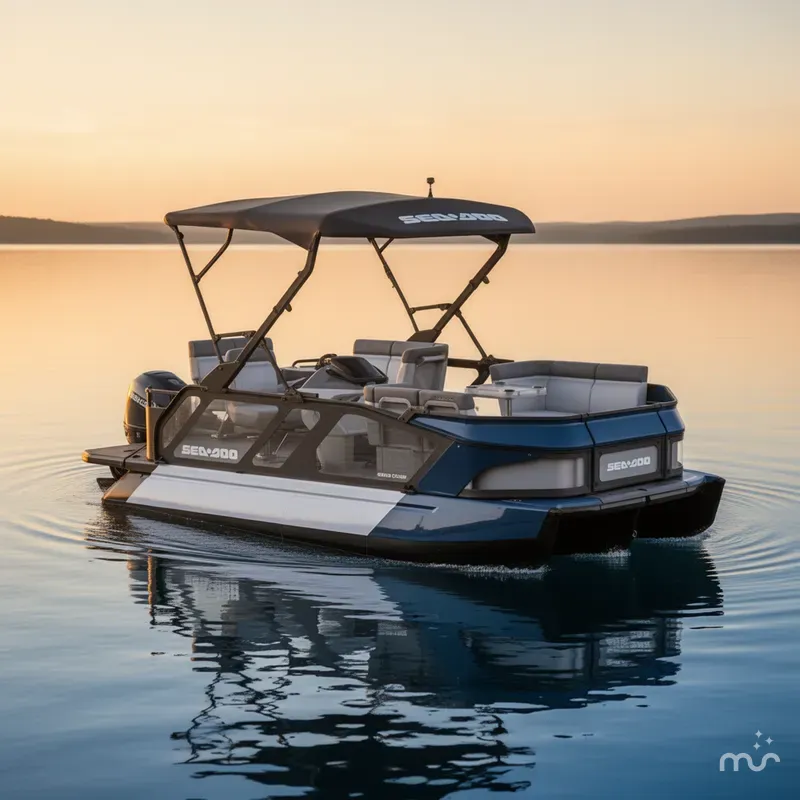

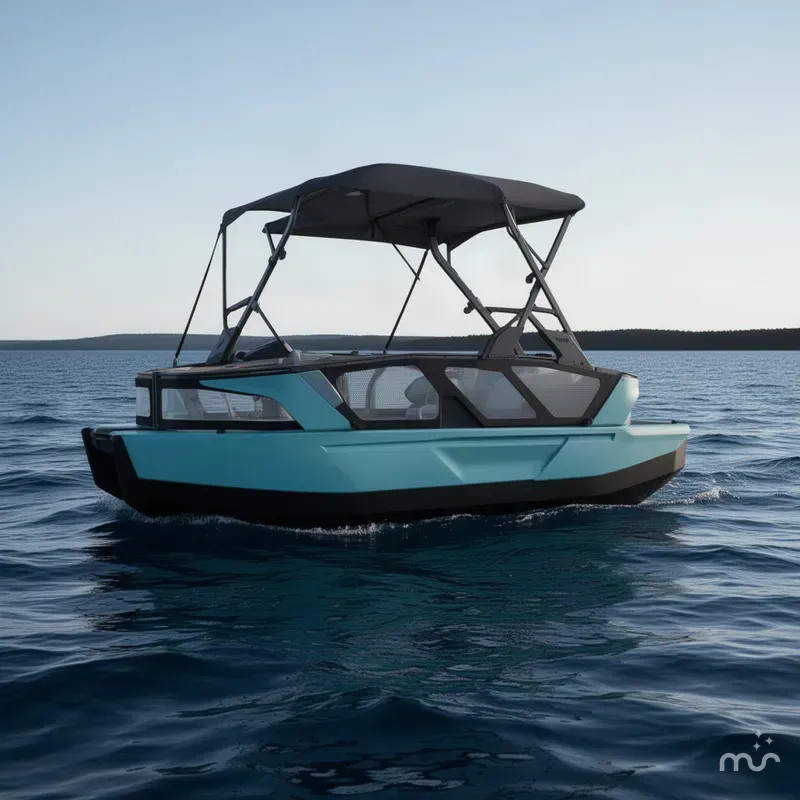
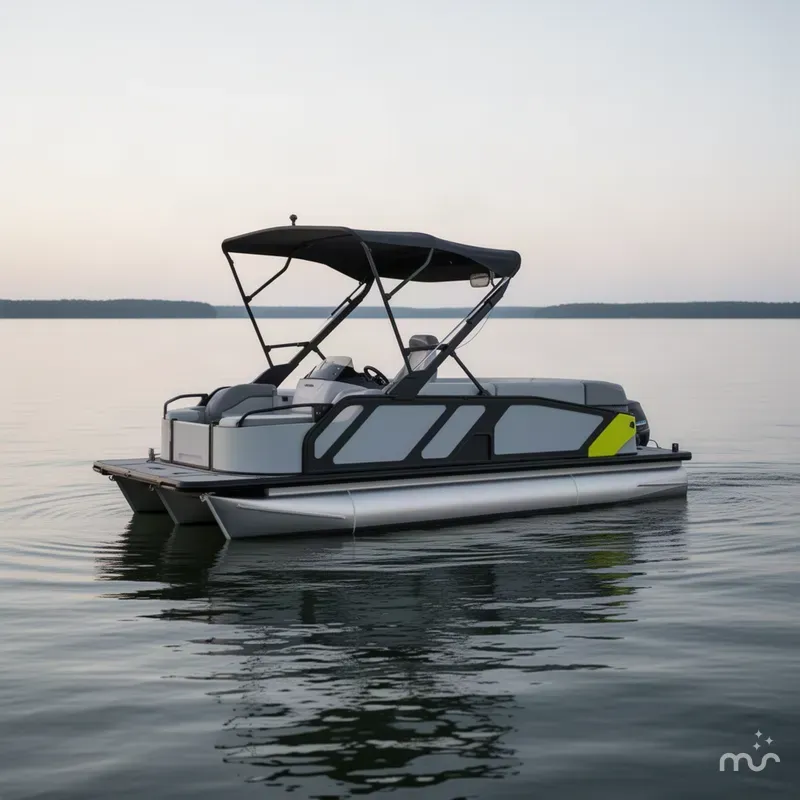
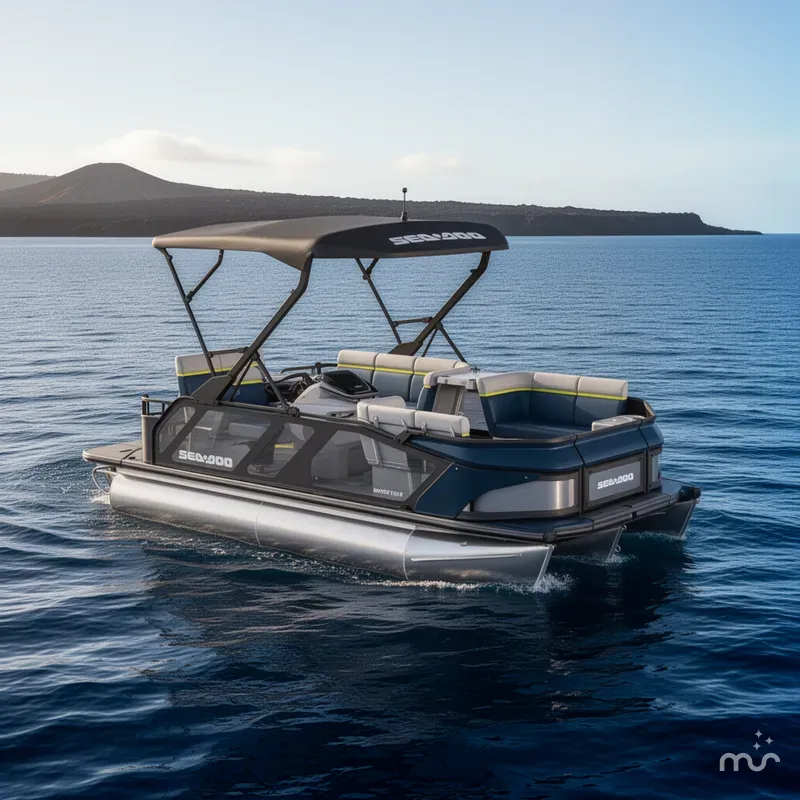
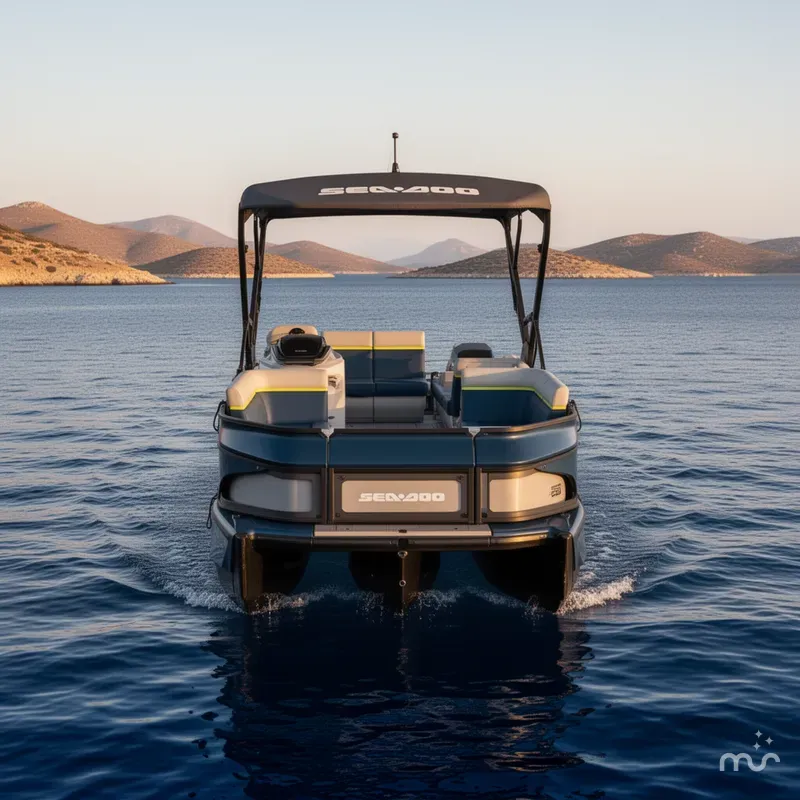
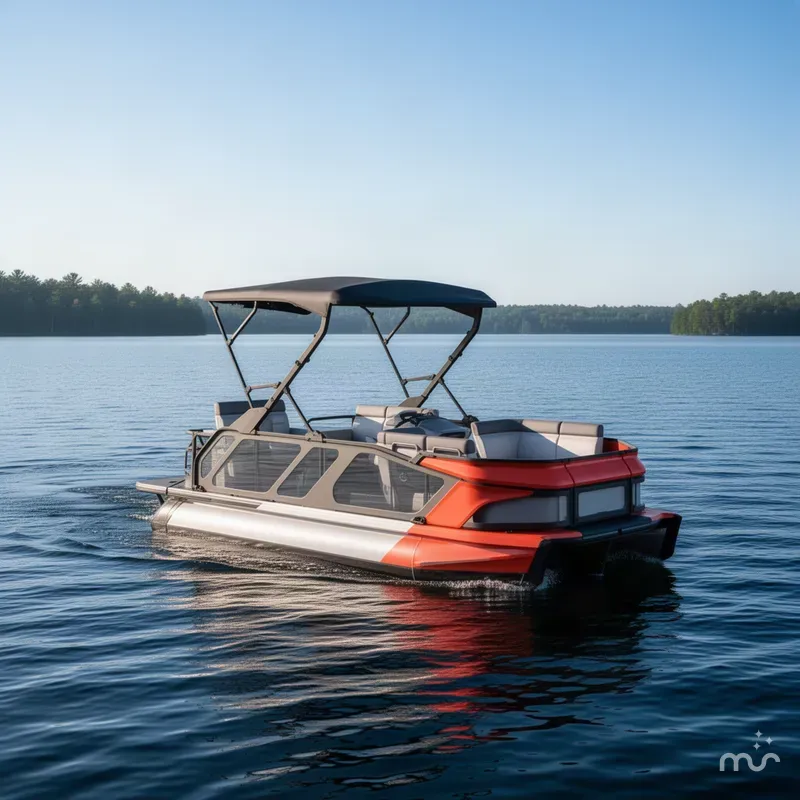
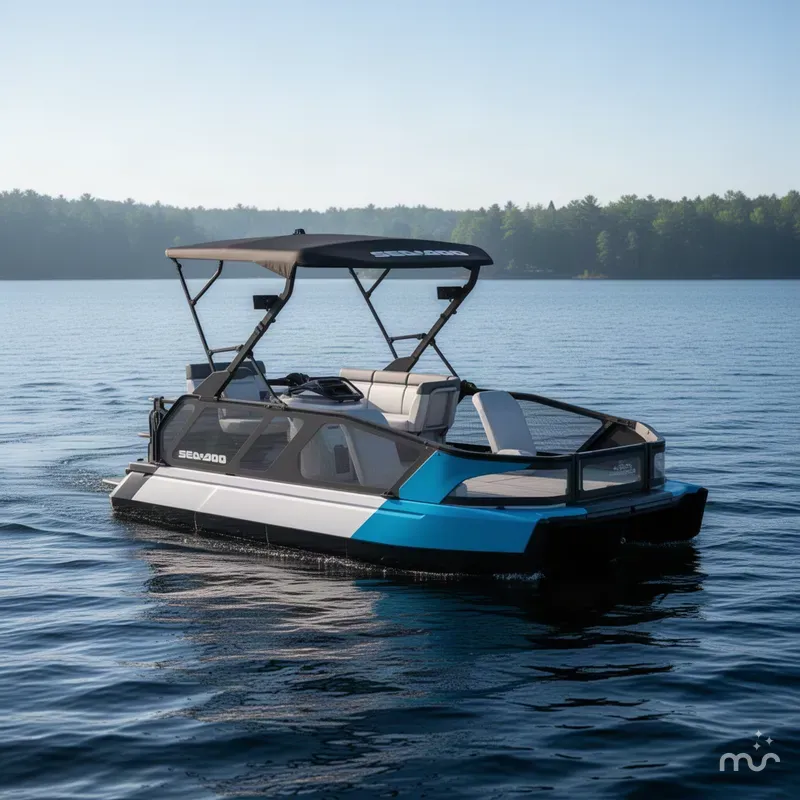
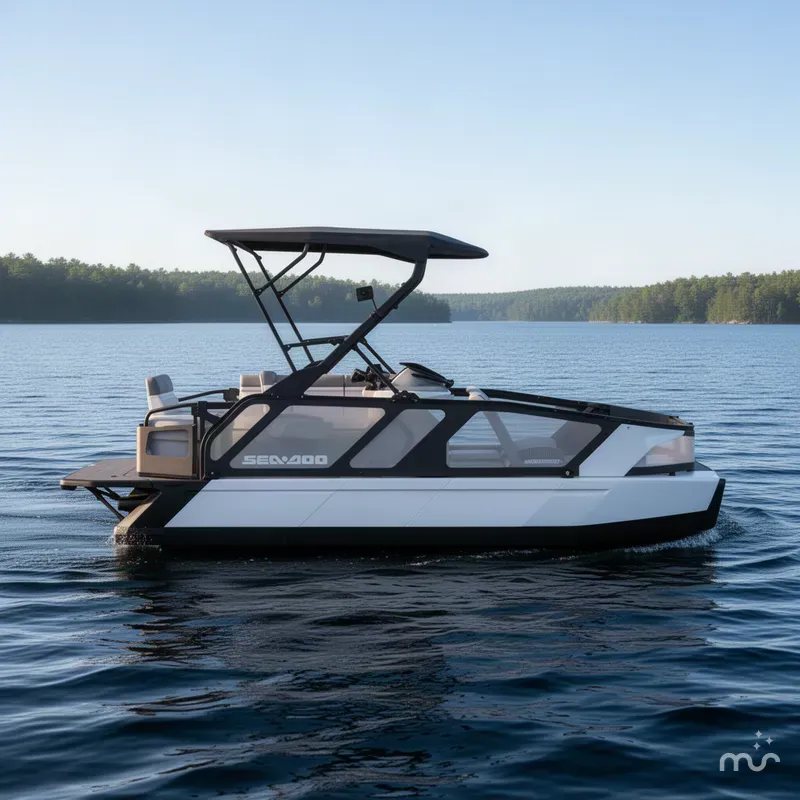
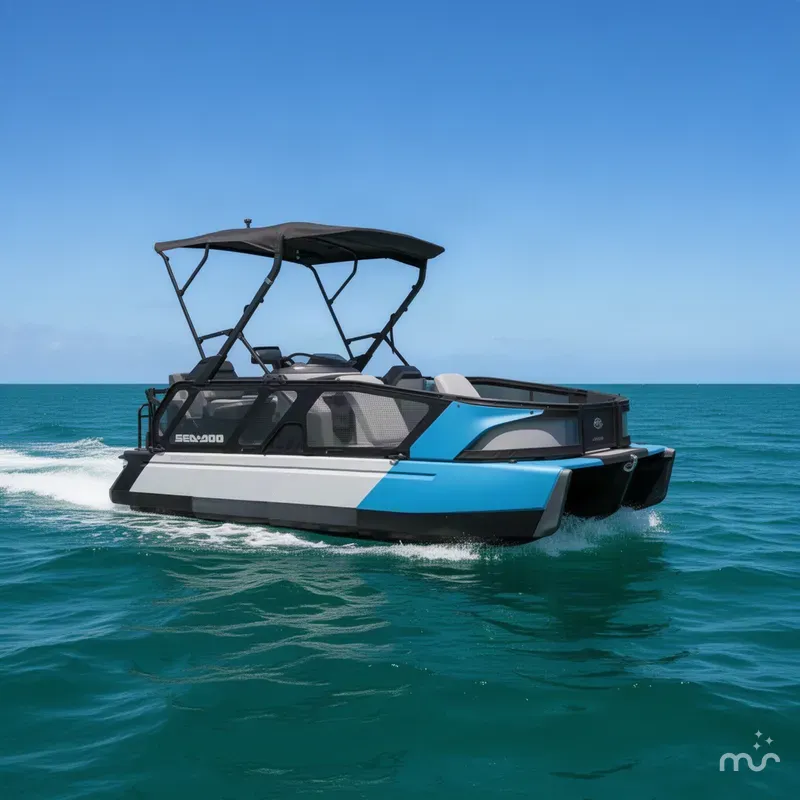
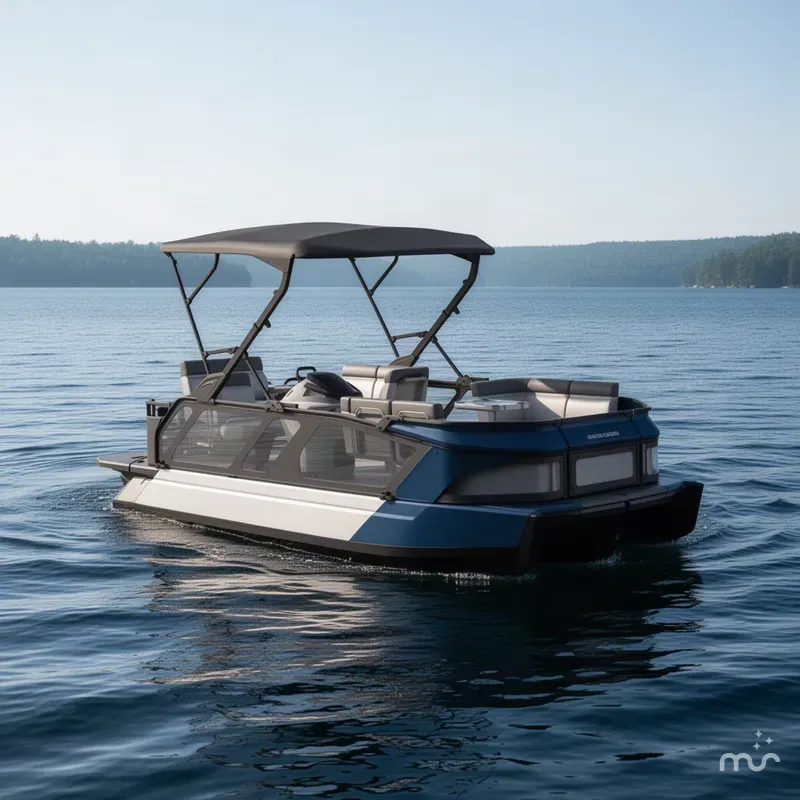
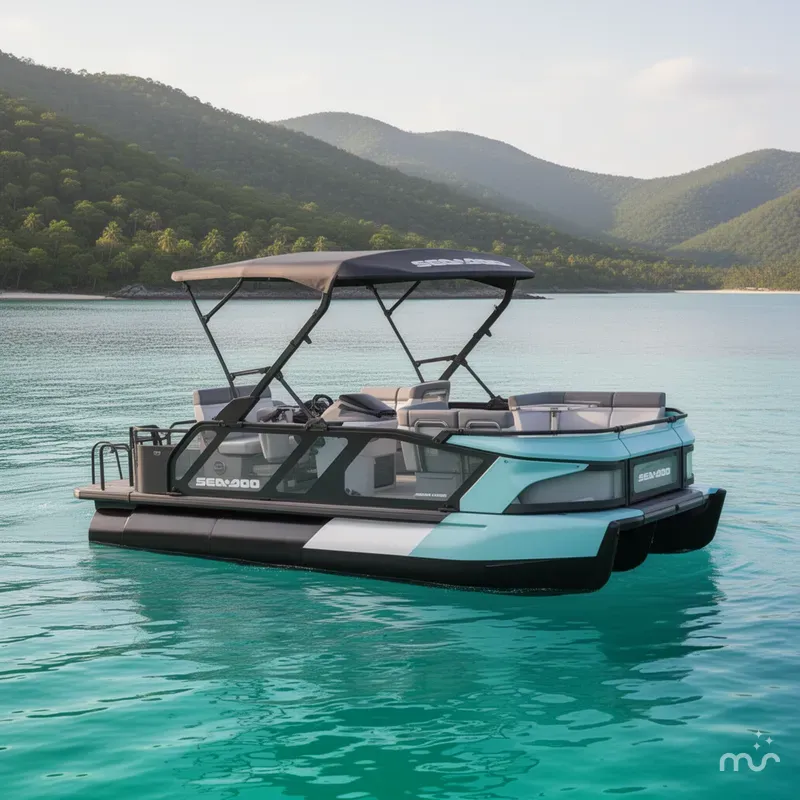
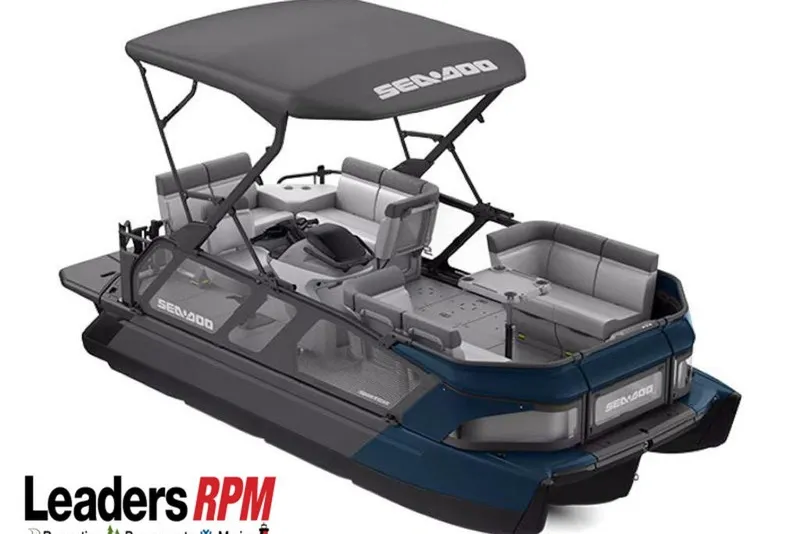
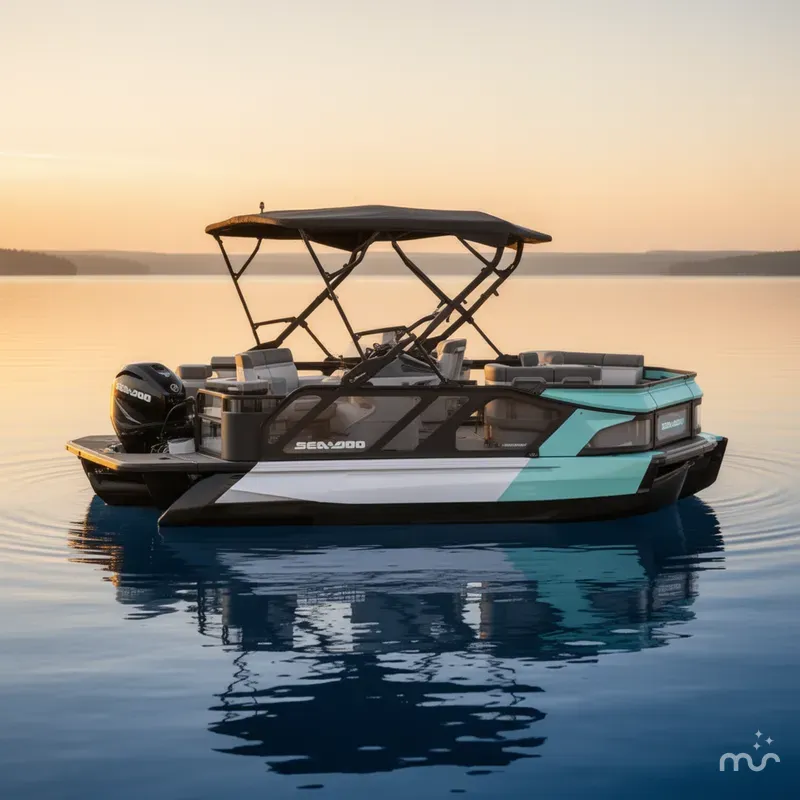
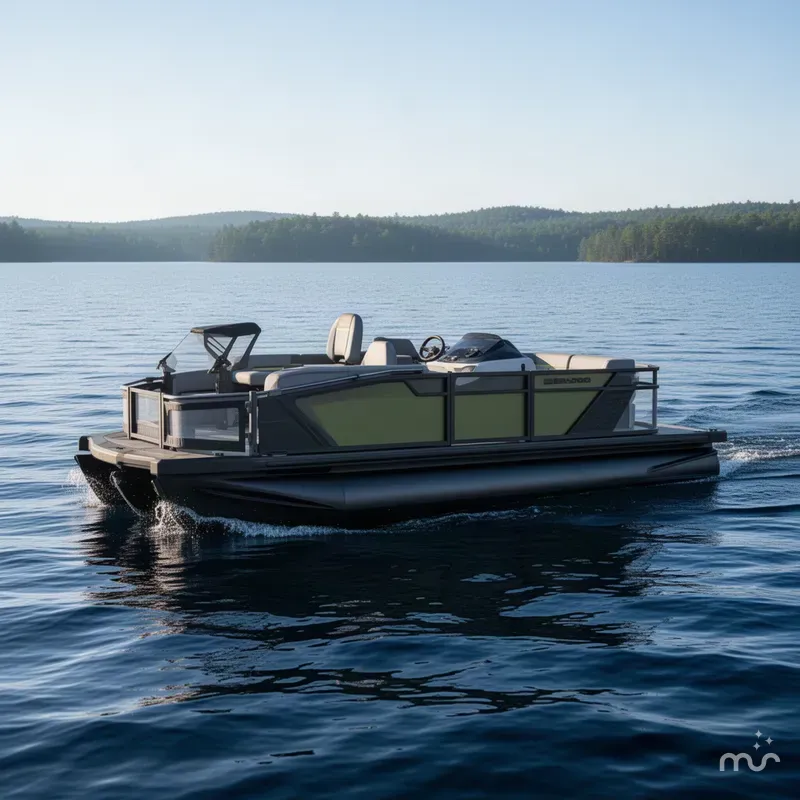
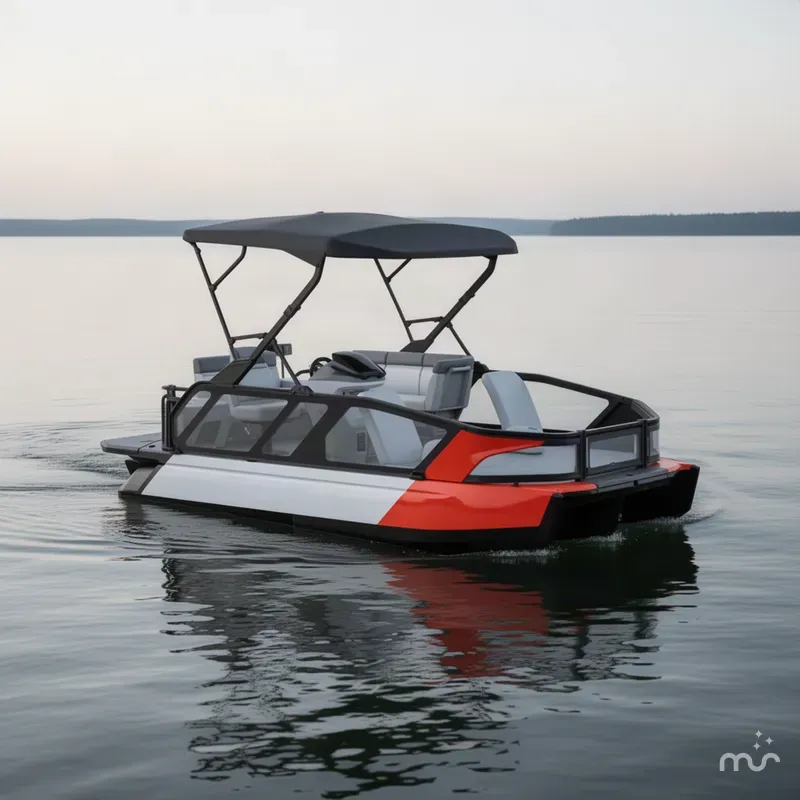
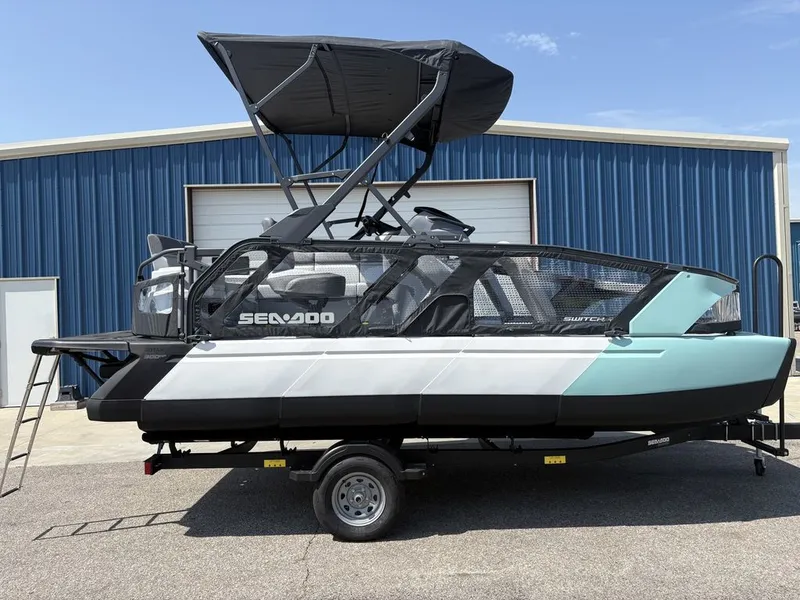
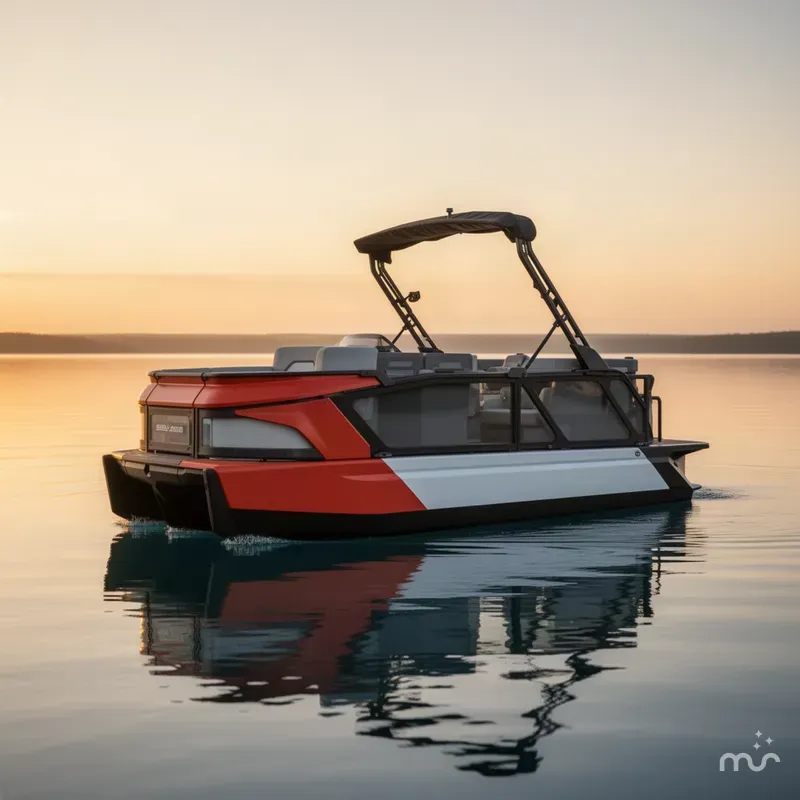
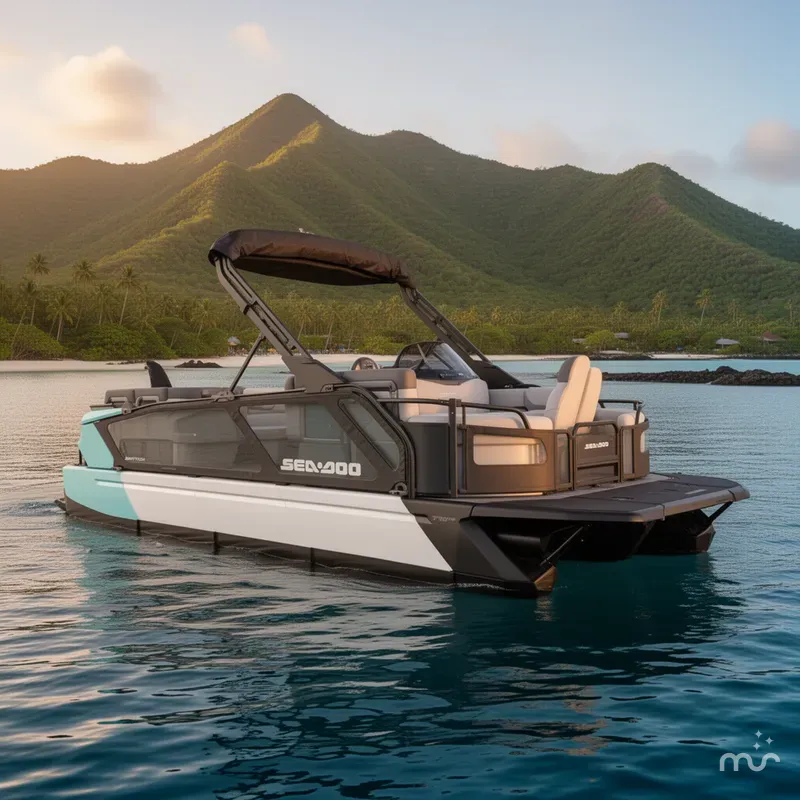
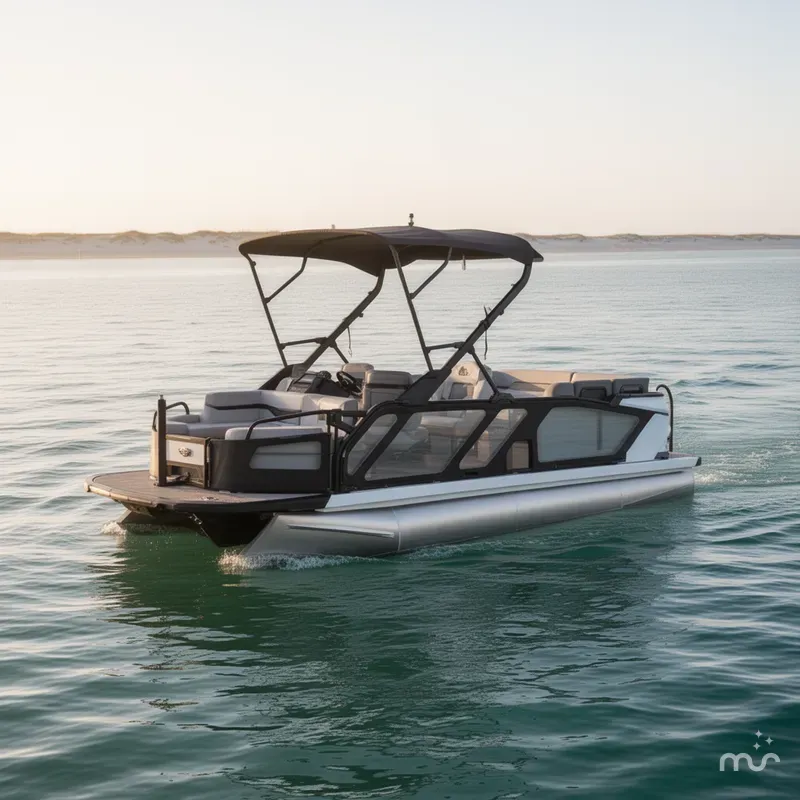
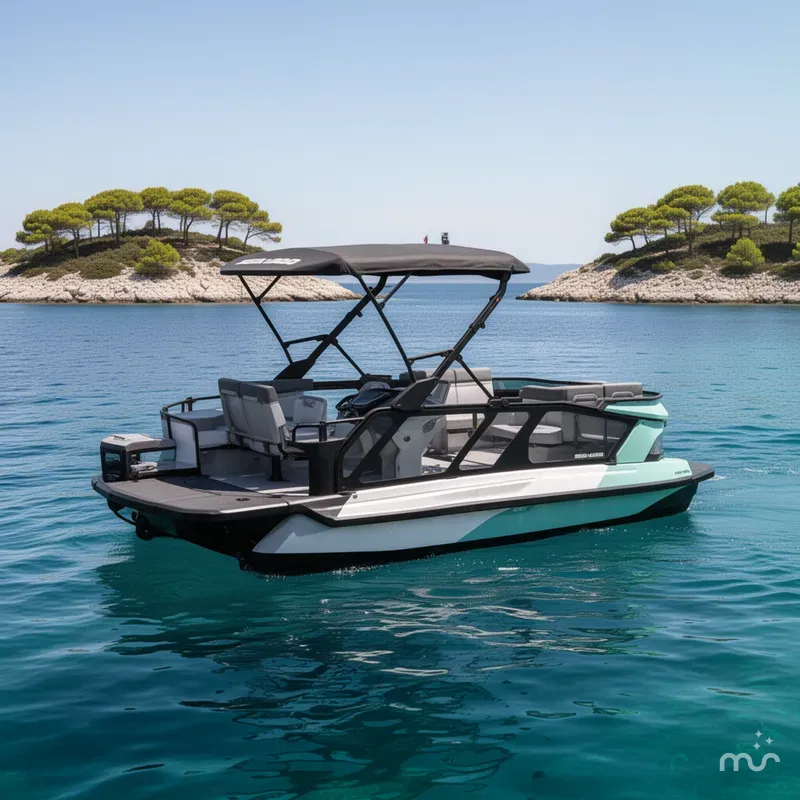

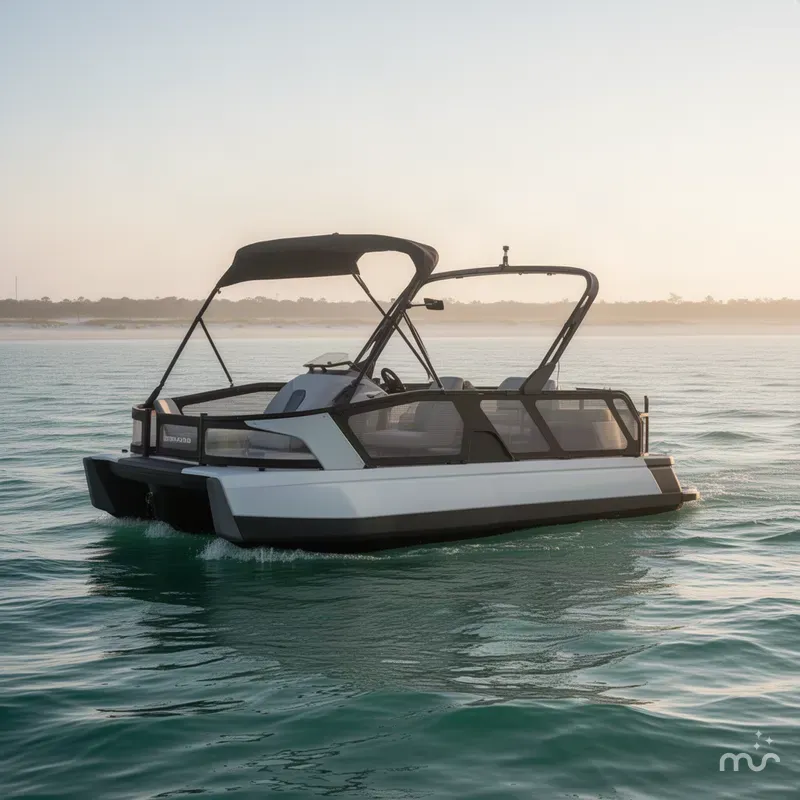
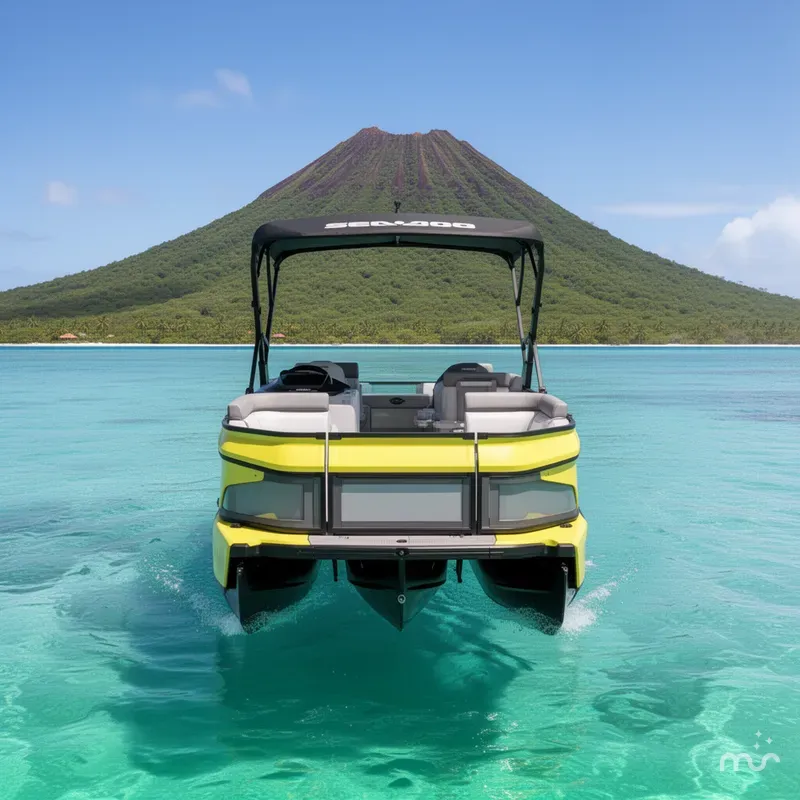
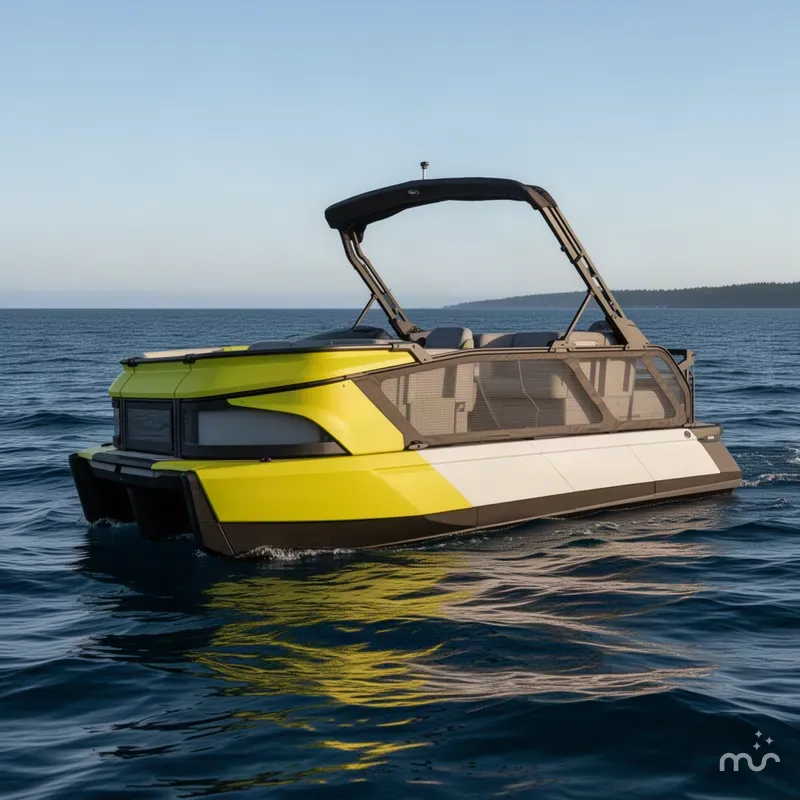
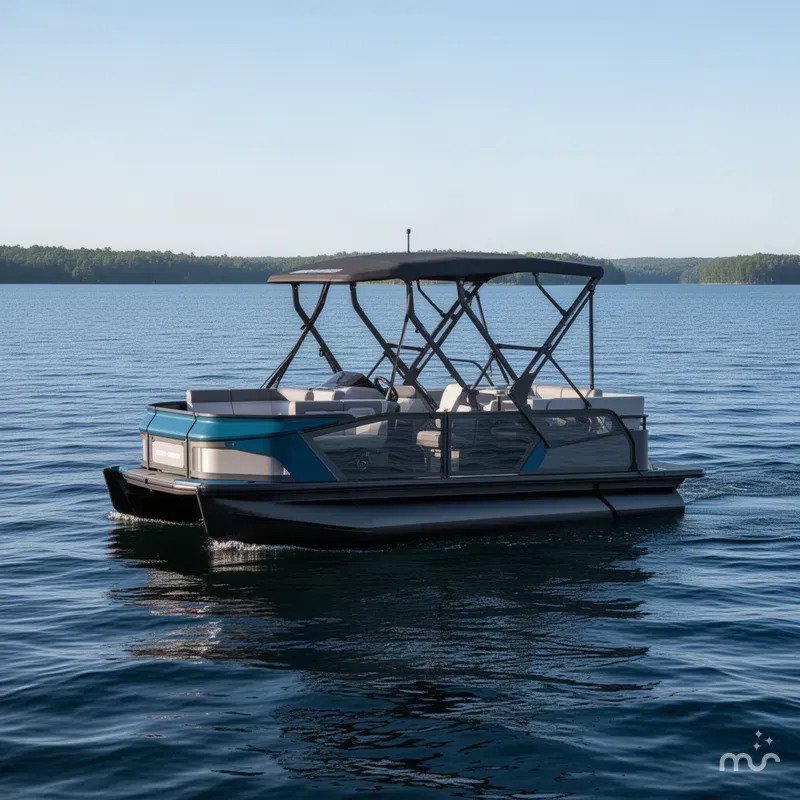
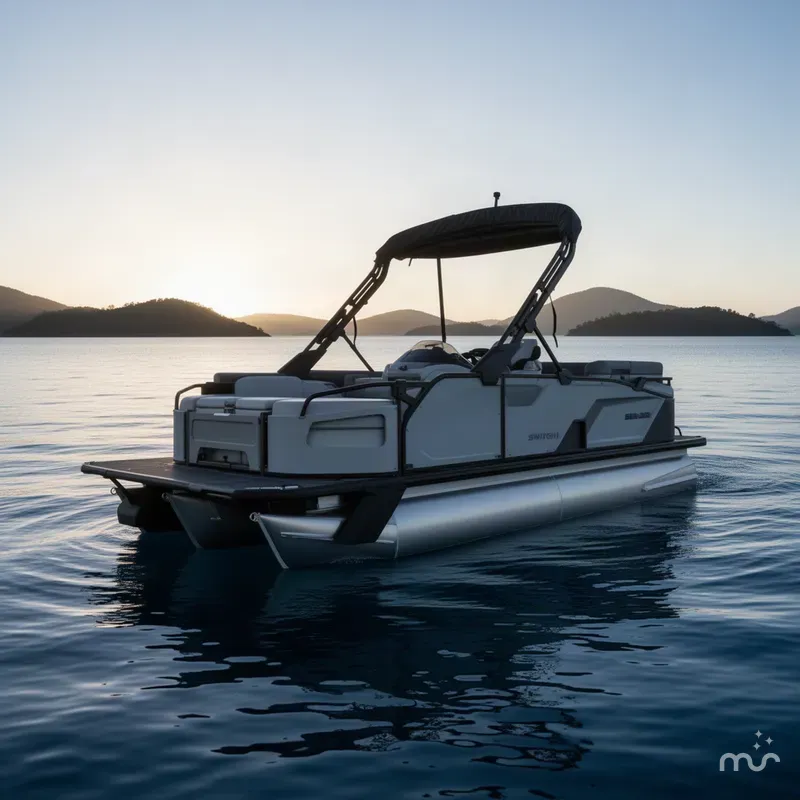
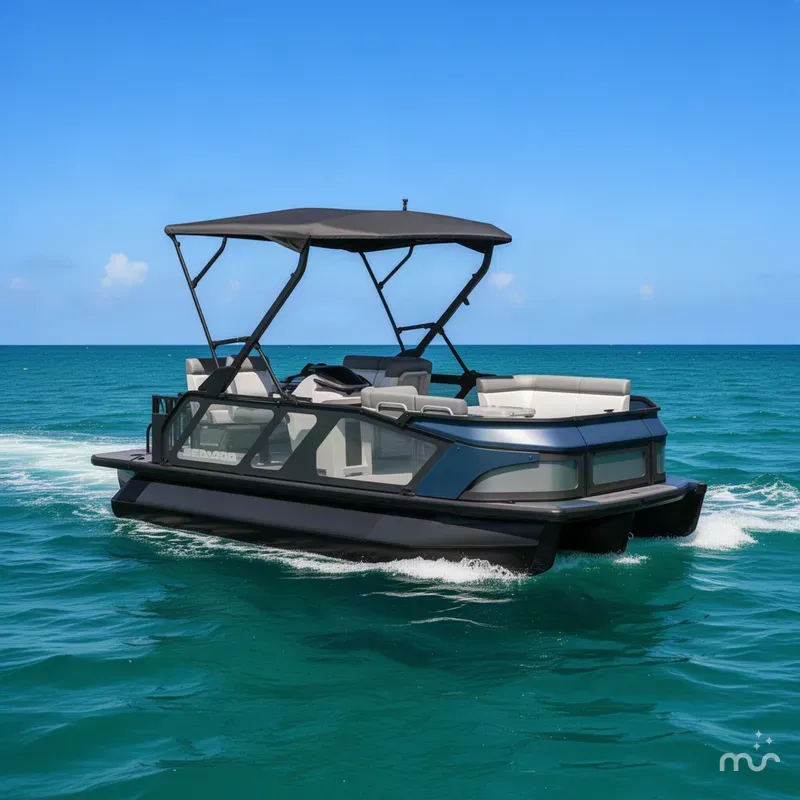
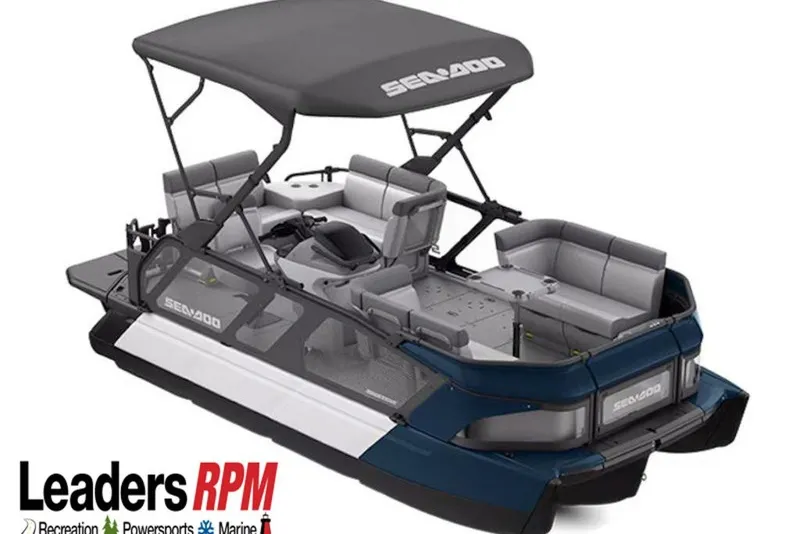
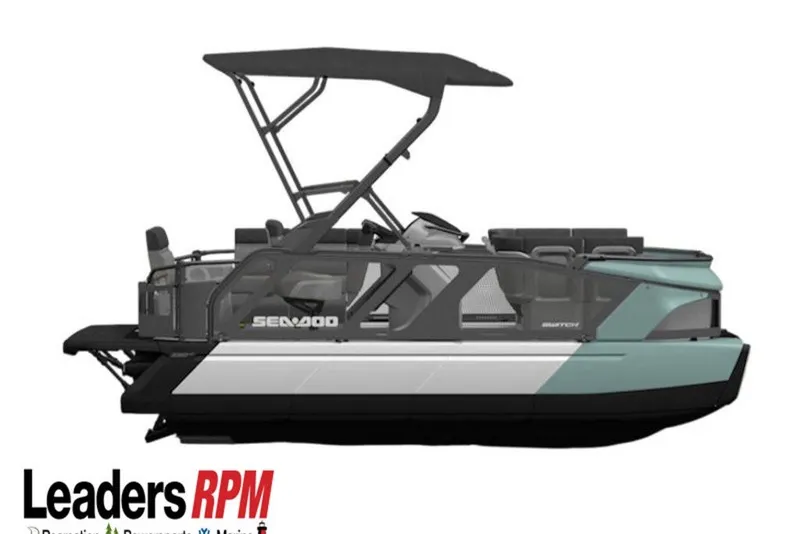
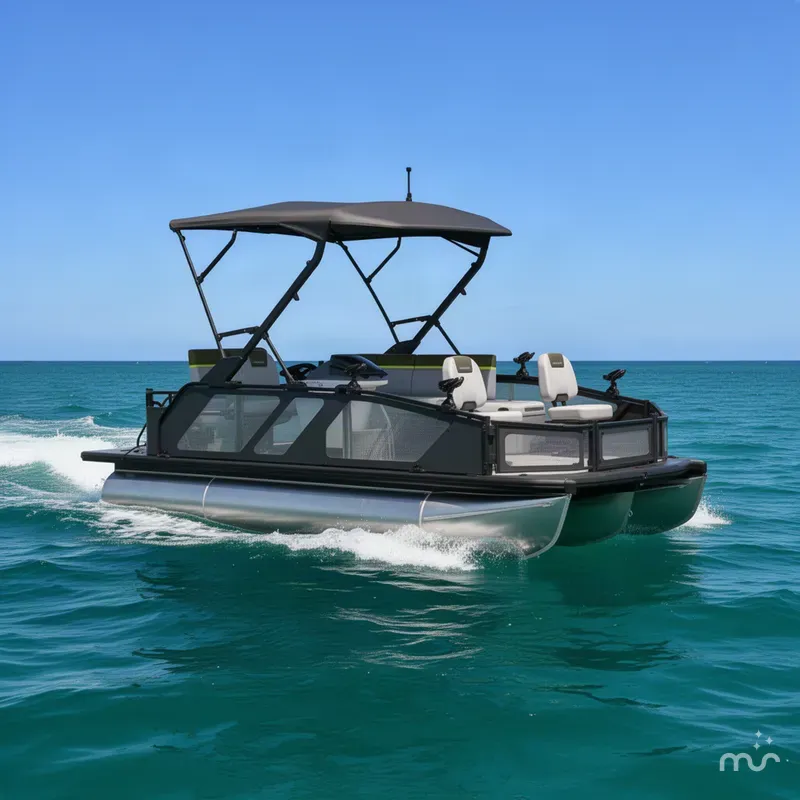
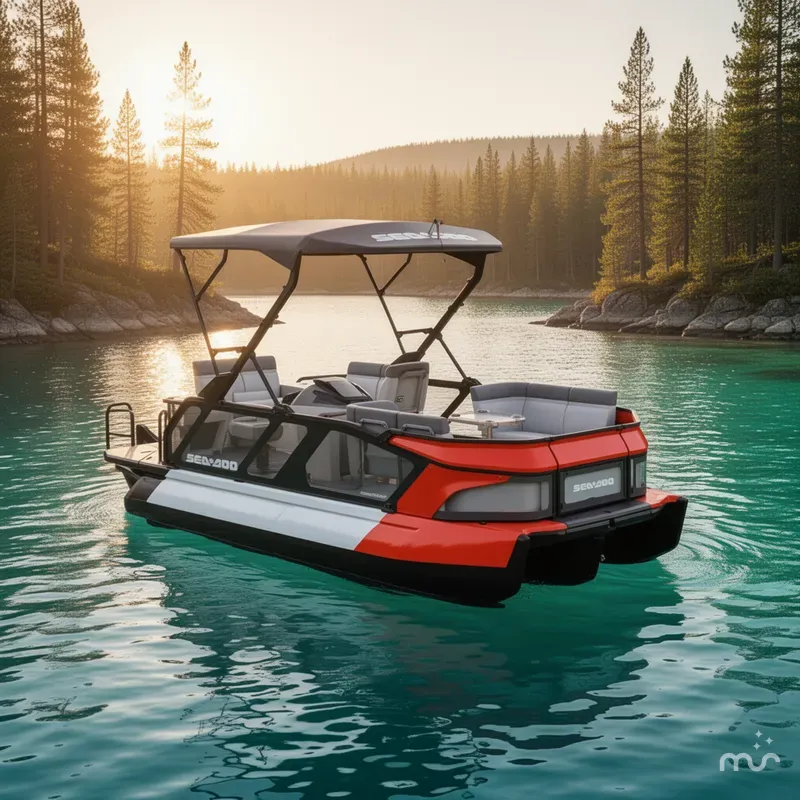
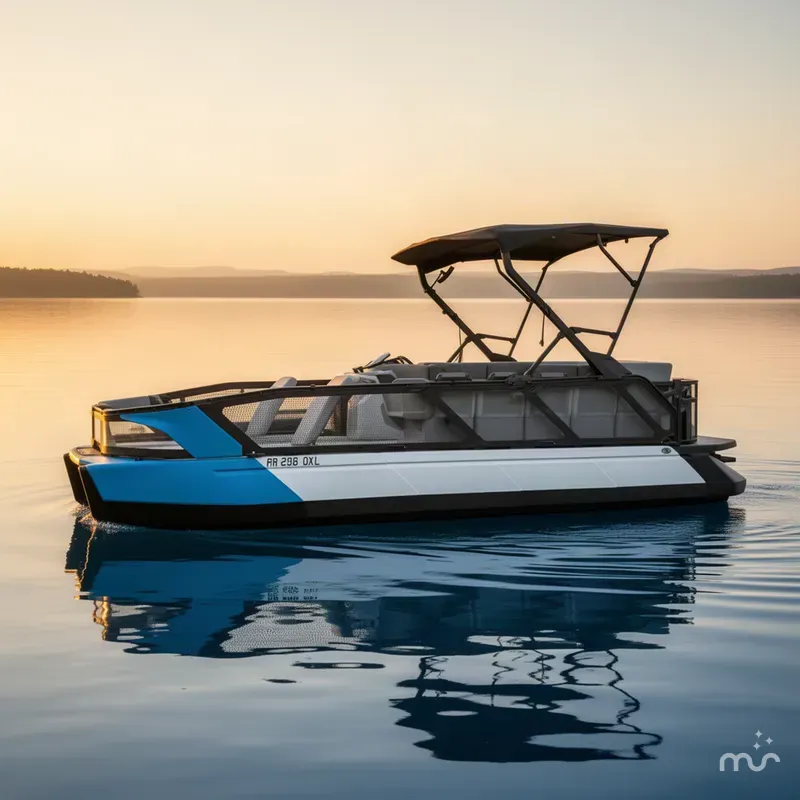
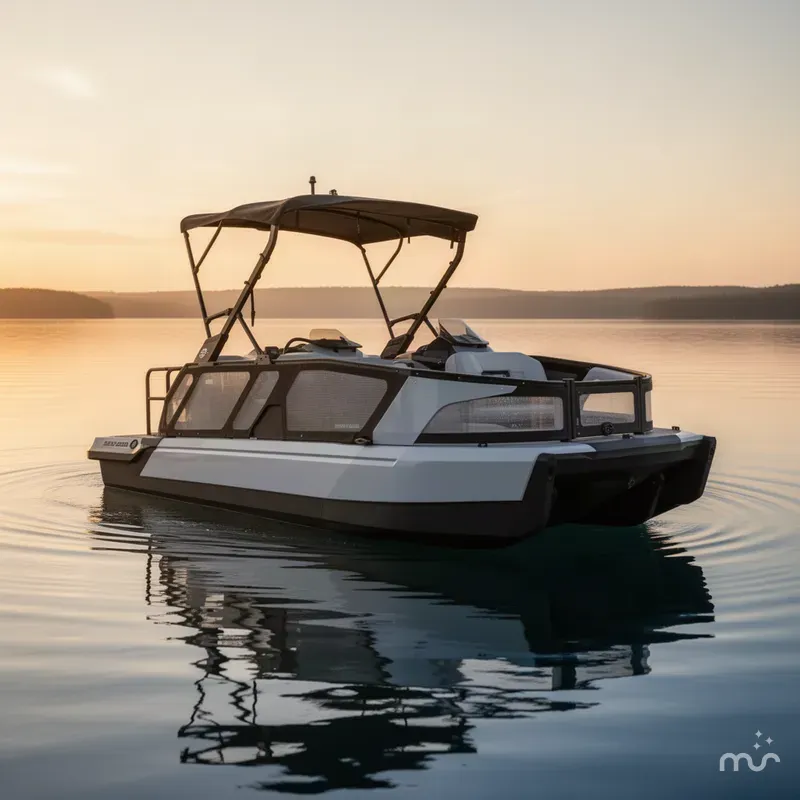
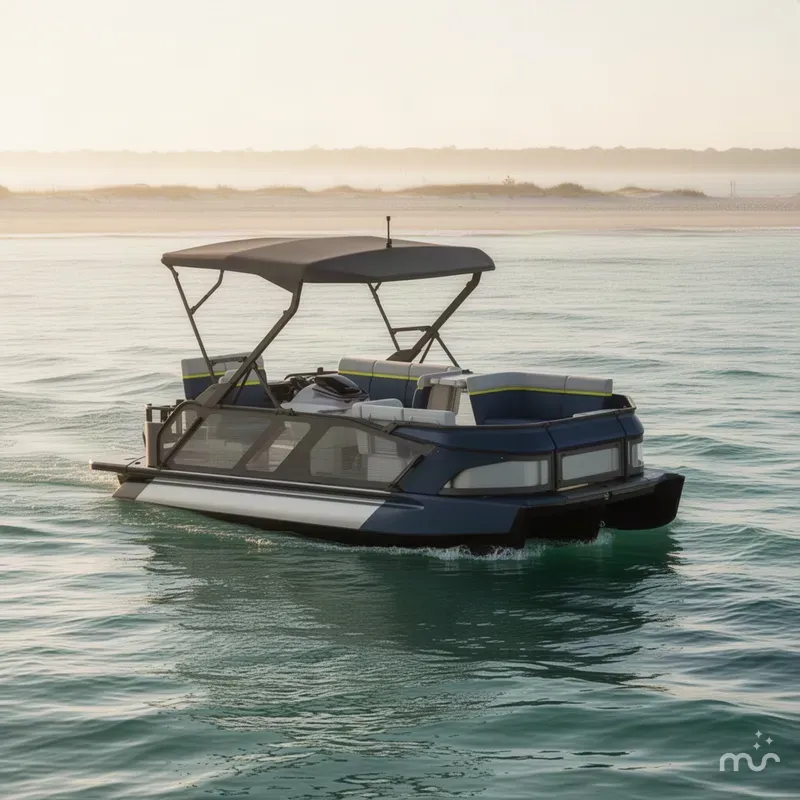
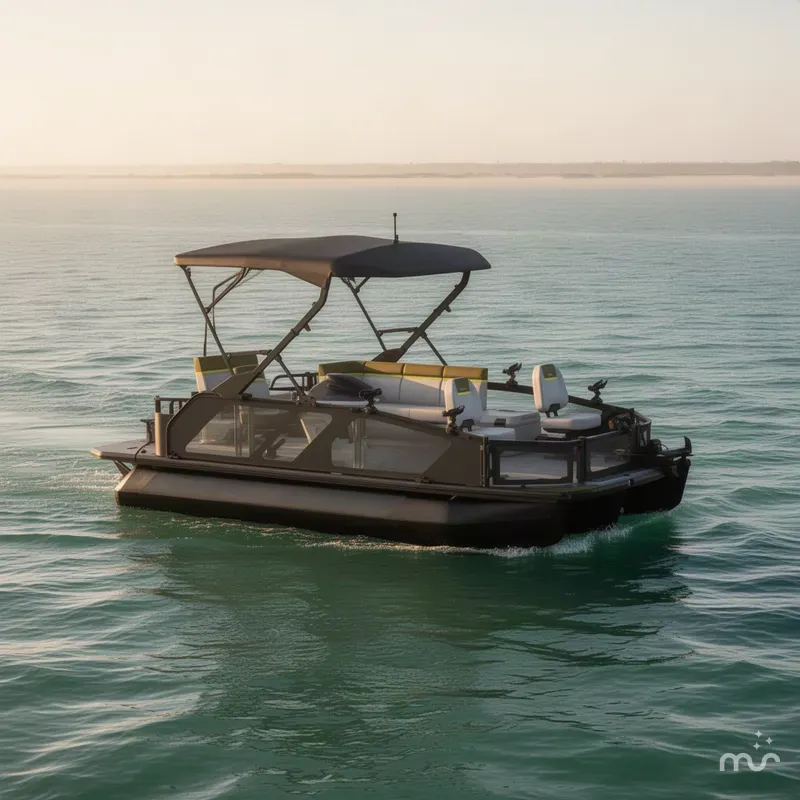
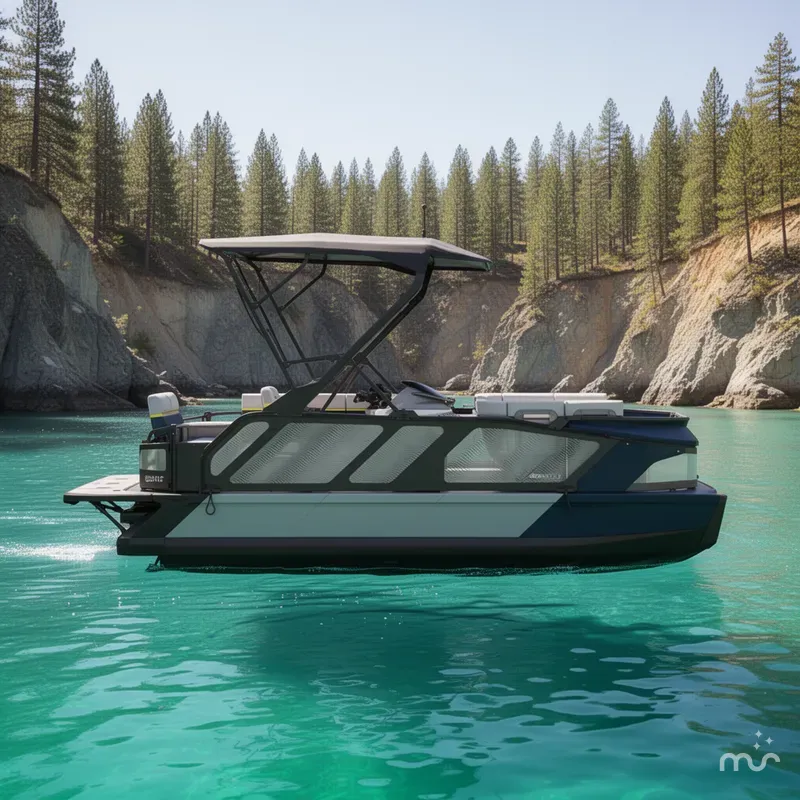
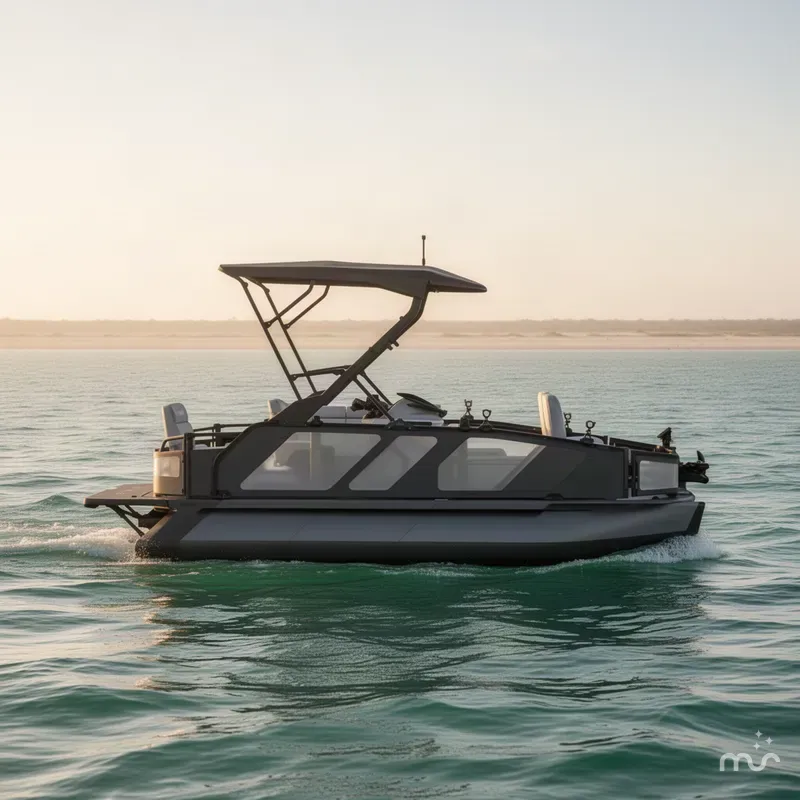
The Sea-Doo Switch is a jet-drive pontoon, technically a tritoon, that borrows its driving experience directly from Sea-Doo's personal watercraft. The 18-foot model pairs that hull with a 230-horsepower supercharged Rotax powertrain, placing it in the middle of a lineup that also includes 13-foot and 21-foot lengths. This is the Sea-Doo Switch Sport 18, set up for towing and water sports, though the same 18-foot platform underpins the Switch Cruise aimed at families and entertaining. First launched in 2022, the Sea-Doo Switch pontoon boats are widely available now and start at around $25,000, with trailer included in the MSRP, which makes them among the most affordable tritoons on the market.
Performance is where the Sea-Doo Switch 18 ft 230 hp separates itself from a conventional pontoon. Top speed runs to about 45 mph, and the 230-horsepower setup pulls hardest off the line in sport mode. The outer pontoons of the tritoon are angled inward and take on a little water, which lets the boat lean into corners and stick its turns instead of feeling like it wants to high-side. It cruises comfortably at roughly 25 knots and tracks smoothly through chop, even in 20-mph wind. Choosing the 170-horsepower naturally aspirated option lower in the range buys better fuel burn, more range and less noise, while the 230 trades that for more power for towing and carrying people.
There is no steering wheel. You drive the Sea-Doo Switch with handlebars and Sea-Doo's iBR system: pop the left handle for neutral, hold it for reverse, pop the right for forward. The same setup gives the boat brakes, a feature you will not find on other pontoons and one that helps when towing or docking. At full lock the boat turns nearly within its own circle, and it can crab-walk sideways into a slip, though it only turns when you give it throttle since there is no rudder or prop. The fixed console carries a digital display, two cup holders, Bluetooth and stereo controls, a Garmin mounting point, glove box, horn, lights and an overhead rearview mirror. The driver's seat has a flip-up bolster for a taller, standing-style view useful when watching a skier or tuber.
The deck is modular, built around floor tiles with cutouts for Sea-Doo's LinQ accessory system. Seats lift out with a colored tab and lock back in anywhere on the floor, and accessories like a cooler, cargo box or fuel caddy clip into the same points and lock down. On the Sport, the front fencing folds down to create a lounge area you can see through while underway. The cushioned tiles peel up for cleaning and the layout reconfigures in seconds. Storage sits under every seat, in a large floor locker, and inside the big center pontoon, which is based on a Sea-Doo body and houses the engine behind an access hatch. At the stern there is a two-foot swim platform with steps and a telescoping ladder, plus more LinQ mounting spots.
The 18-footer carries a U.S. Coast Guard maximum of seven people or 987 pounds, with room for that load especially with kids aboard. The hull below the waterline is composite rather than fiberglass, which resists scratches when beaching on sand or shells and, paired with the sectional modular construction, can make replacing a tube or segment more straightforward. A JL Audio Bluetooth system, which lights up at night on some models, comes standard and stays audible at cruise. Points to weigh include a stepped fuel gauge that reads less precisely than the multi-function display, and some audible slap from the composite hull when landing off larger waves. The broader Switch family spans the base Switch, Sport, Cruise, Limited and the newer Fish, running from about $24,000 to roughly $52,000 with trailer.
Currently, there are 1,726 boats available for sale for Sea-Doo boats. Prices range from $1,000 to $57,249, with an average listing price of $19,789. The inventory includes 1,389 new boats and 337 used boats. The fleet is comprised of 1,726 powerboats. 12 boats have been added to the marketplace in the past month. Popular boat types include All PWCs, Pontoon, Jet, and Runabout. boats are most popular in Jonesboro, Somerset, Kalamazoo, Miami, and Key Largo. There have been 8,703 boats listed on MarineSource that have sold in the past year. September is the most common month for new and used boats to be added to MarineSource, so be sure to check back regularly. July is the most common month for boats to sell, so be sure to beat the rush! The most common activities for boats are family fun, watersports, and long distance cruising. Most boats contain gps, sonar, depth sounder, heated interior, and radio. boats tend to have an average of 1 engine. It is common for boats to have Rotax engines or Sea-Doo engines or ROTAX engines.
Performance is where the Sea-Doo Switch 18 ft 230 hp separates itself from a conventional pontoon. Top speed runs to about 45 mph, and the 230-horsepower setup pulls hardest off the line in sport mode. The outer pontoons of the tritoon are angled inward and take on a little water, which lets the boat lean into corners and stick its turns instead of feeling like it wants to high-side. It cruises comfortably at roughly 25 knots and tracks smoothly through chop, even in 20-mph wind. Choosing the 170-horsepower naturally aspirated option lower in the range buys better fuel burn, more range and less noise, while the 230 trades that for more power for towing and carrying people.
There is no steering wheel. You drive the Sea-Doo Switch with handlebars and Sea-Doo's iBR system: pop the left handle for neutral, hold it for reverse, pop the right for forward. The same setup gives the boat brakes, a feature you will not find on other pontoons and one that helps when towing or docking. At full lock the boat turns nearly within its own circle, and it can crab-walk sideways into a slip, though it only turns when you give it throttle since there is no rudder or prop. The fixed console carries a digital display, two cup holders, Bluetooth and stereo controls, a Garmin mounting point, glove box, horn, lights and an overhead rearview mirror. The driver's seat has a flip-up bolster for a taller, standing-style view useful when watching a skier or tuber.
The deck is modular, built around floor tiles with cutouts for Sea-Doo's LinQ accessory system. Seats lift out with a colored tab and lock back in anywhere on the floor, and accessories like a cooler, cargo box or fuel caddy clip into the same points and lock down. On the Sport, the front fencing folds down to create a lounge area you can see through while underway. The cushioned tiles peel up for cleaning and the layout reconfigures in seconds. Storage sits under every seat, in a large floor locker, and inside the big center pontoon, which is based on a Sea-Doo body and houses the engine behind an access hatch. At the stern there is a two-foot swim platform with steps and a telescoping ladder, plus more LinQ mounting spots.
The 18-footer carries a U.S. Coast Guard maximum of seven people or 987 pounds, with room for that load especially with kids aboard. The hull below the waterline is composite rather than fiberglass, which resists scratches when beaching on sand or shells and, paired with the sectional modular construction, can make replacing a tube or segment more straightforward. A JL Audio Bluetooth system, which lights up at night on some models, comes standard and stays audible at cruise. Points to weigh include a stepped fuel gauge that reads less precisely than the multi-function display, and some audible slap from the composite hull when landing off larger waves. The broader Switch family spans the base Switch, Sport, Cruise, Limited and the newer Fish, running from about $24,000 to roughly $52,000 with trailer.
Currently, there are 1,726 boats available for sale for Sea-Doo boats. Prices range from $1,000 to $57,249, with an average listing price of $19,789. The inventory includes 1,389 new boats and 337 used boats. The fleet is comprised of 1,726 powerboats. 12 boats have been added to the marketplace in the past month. Popular boat types include All PWCs, Pontoon, Jet, and Runabout. boats are most popular in Jonesboro, Somerset, Kalamazoo, Miami, and Key Largo. There have been 8,703 boats listed on MarineSource that have sold in the past year. September is the most common month for new and used boats to be added to MarineSource, so be sure to check back regularly. July is the most common month for boats to sell, so be sure to beat the rush! The most common activities for boats are family fun, watersports, and long distance cruising. Most boats contain gps, sonar, depth sounder, heated interior, and radio. boats tend to have an average of 1 engine. It is common for boats to have Rotax engines or Sea-Doo engines or ROTAX engines.
Insights and Analytics for Sea Doo Boats for Sale
Updated October 25, 2026
1,726
total Sea Doo boats for sale
12
Sea Doo boats for sale added in the past month
8,703
Sea Doo boats for sale sold in the past year
$19,789
is the average listing price of Sea Doo boats for sale
Market Activity
The busiest month for Sea Doo boats for sale is Jul, with 93 boats added and 2k boats sold
Browse Sea Doo Boats by Type
Sea Doo All PWCs Boats for SaleSea Doo Pontoon Boats for SaleSea Doo Jet Boats for SaleSea Doo Runabout Boats for SaleSea Doo Center Console Boats for SaleSea Doo Ski and Wakeboard Boats for SaleSea Doo Saltwater Fishing Boats for SaleSea Doo Power Cruisers Boats for SaleSea Doo High Performance Boats for SaleSea Doo Bowrider Boats for SaleSea Doo Sports Cruiser Boats for Sale
Browse Similar Boat Types
Browse Sea Doo Boats by State
Sea Doo Boats in FloridaSea Doo Boats in MichiganSea Doo Boats in ArkansasSea Doo Boats in IllinoisSea Doo Boats in KentuckySea Doo Boats in MinnesotaSea Doo Boats in WashingtonSea Doo Boats in ArizonaSea Doo Boats in IndianaSea Doo Boats in LouisianaSea Doo Boats in OhioSea Doo Boats in WisconsinSea Doo Boats in North CarolinaSea Doo Boats in TennesseeSea Doo Boats in New YorkSea Doo Boats in CaliforniaSea Doo Boats in IdahoSea Doo Boats in South CarolinaSea Doo Boats in DelawareSea Doo Boats in Virginia
 Login with Google