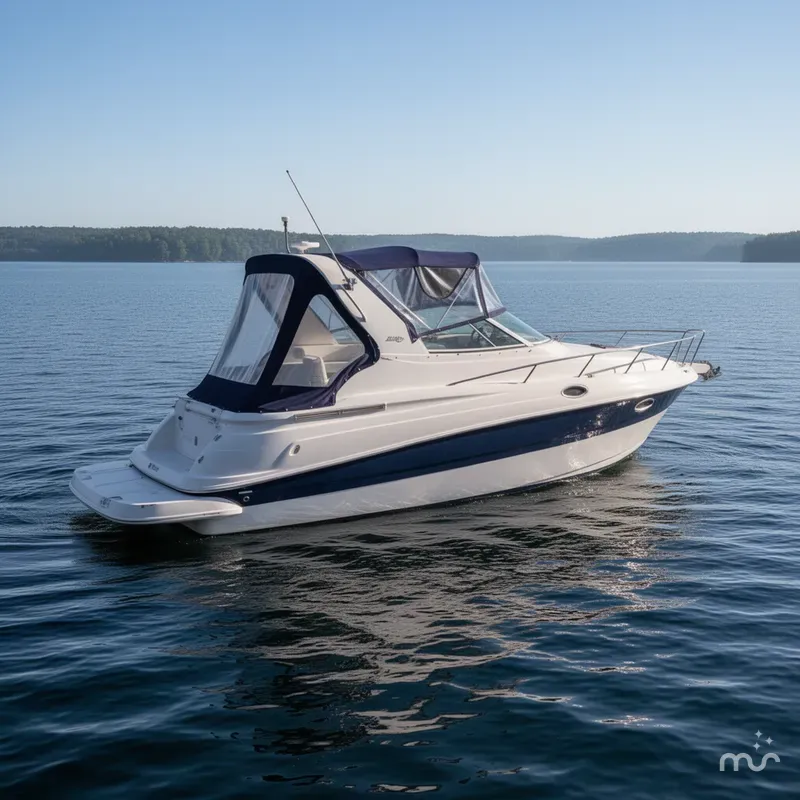
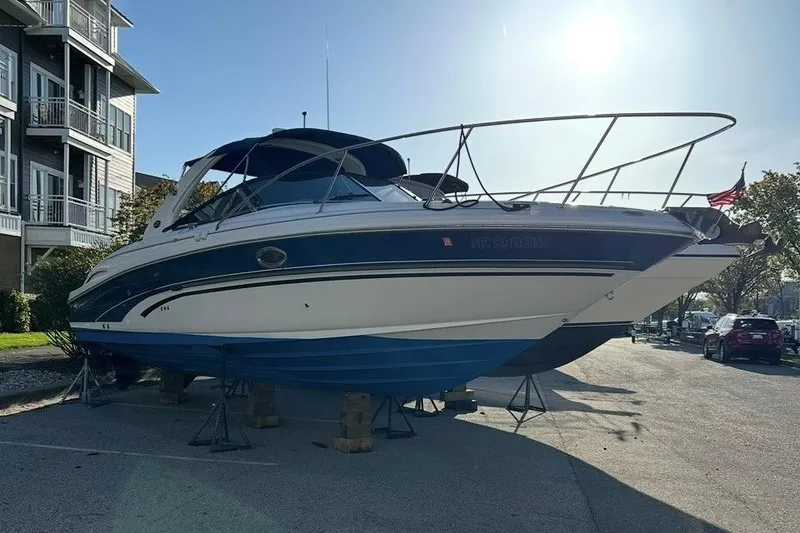
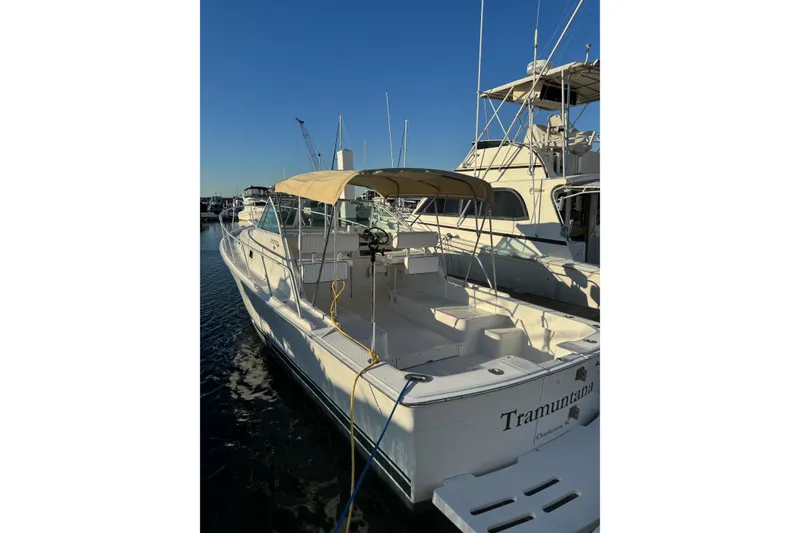
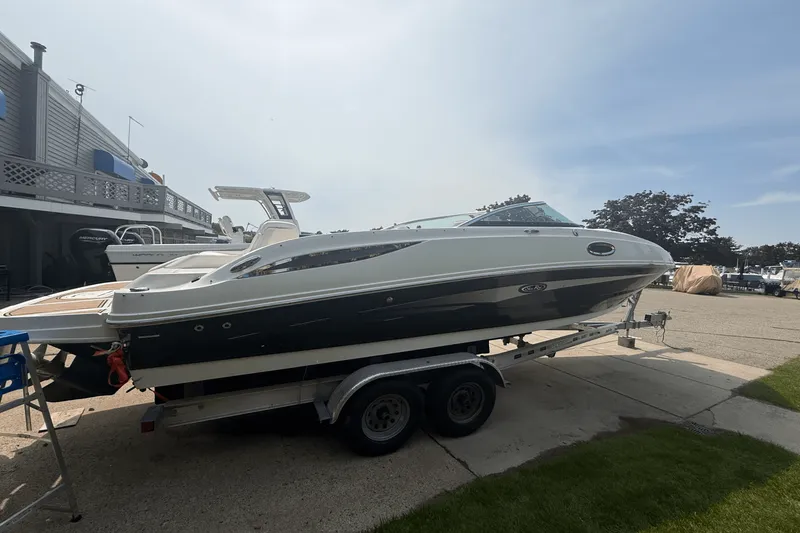
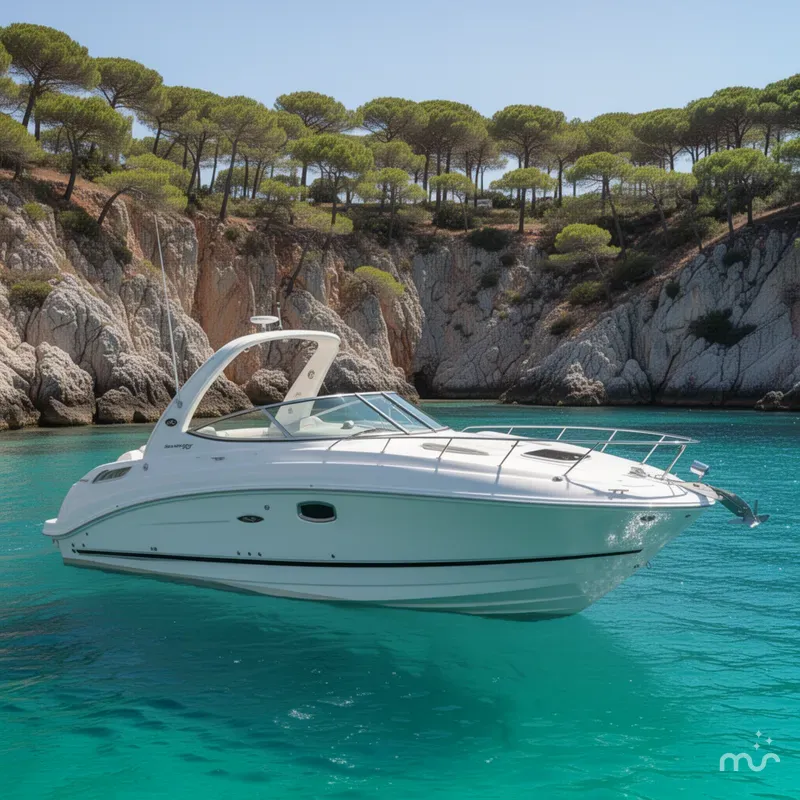
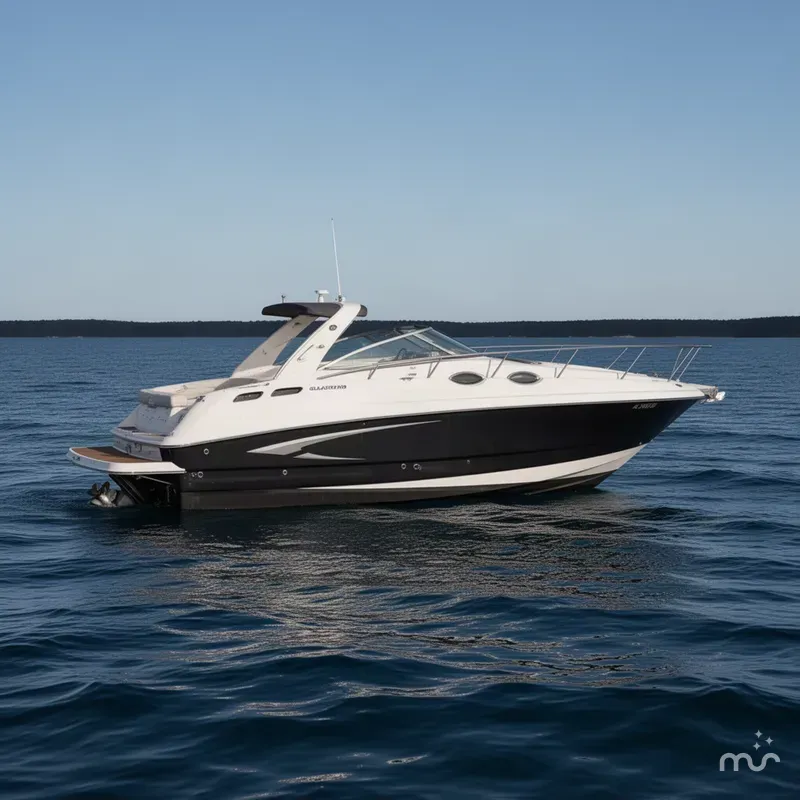
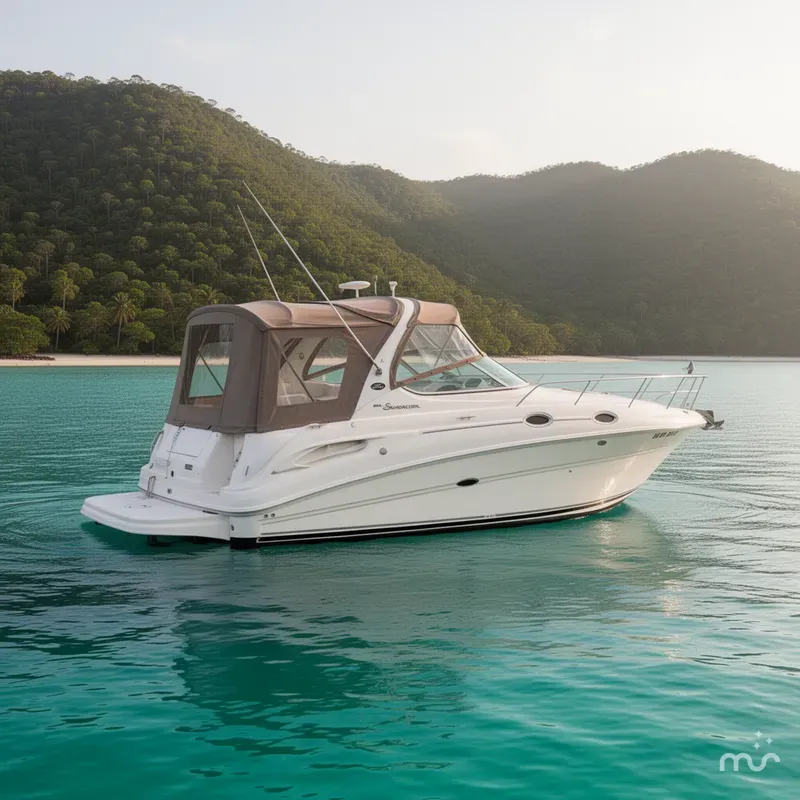
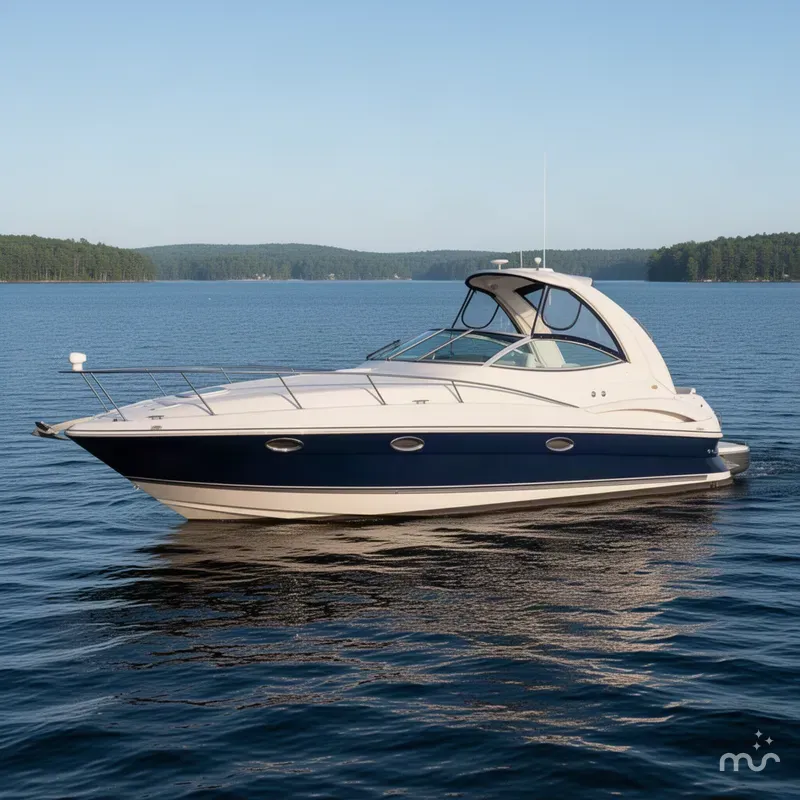
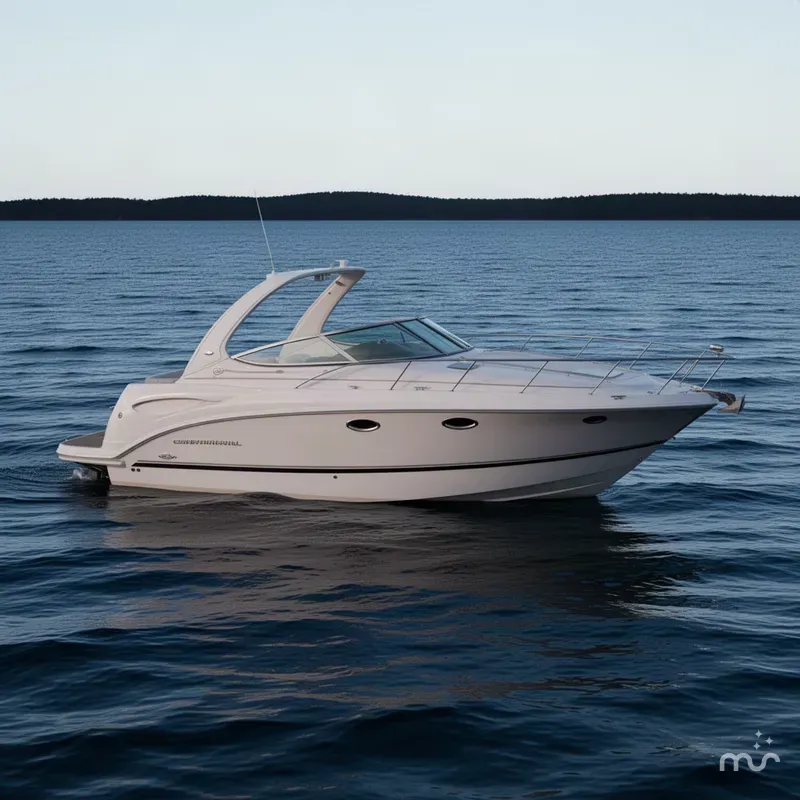
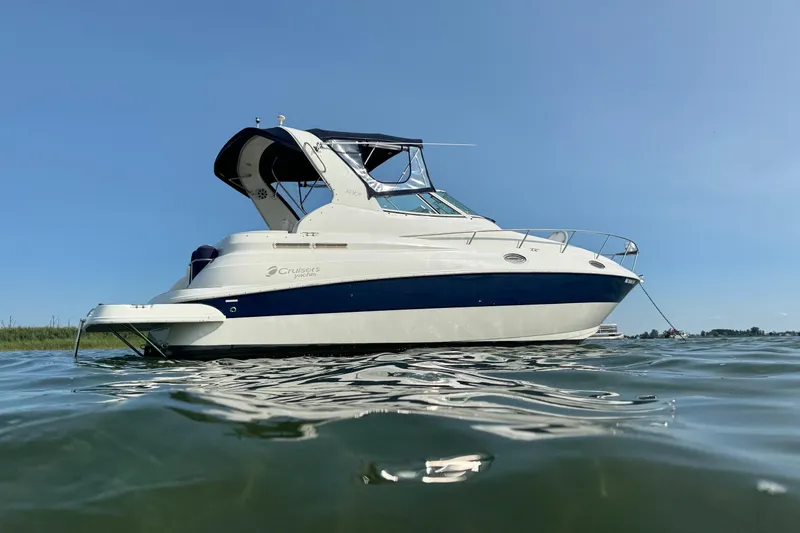
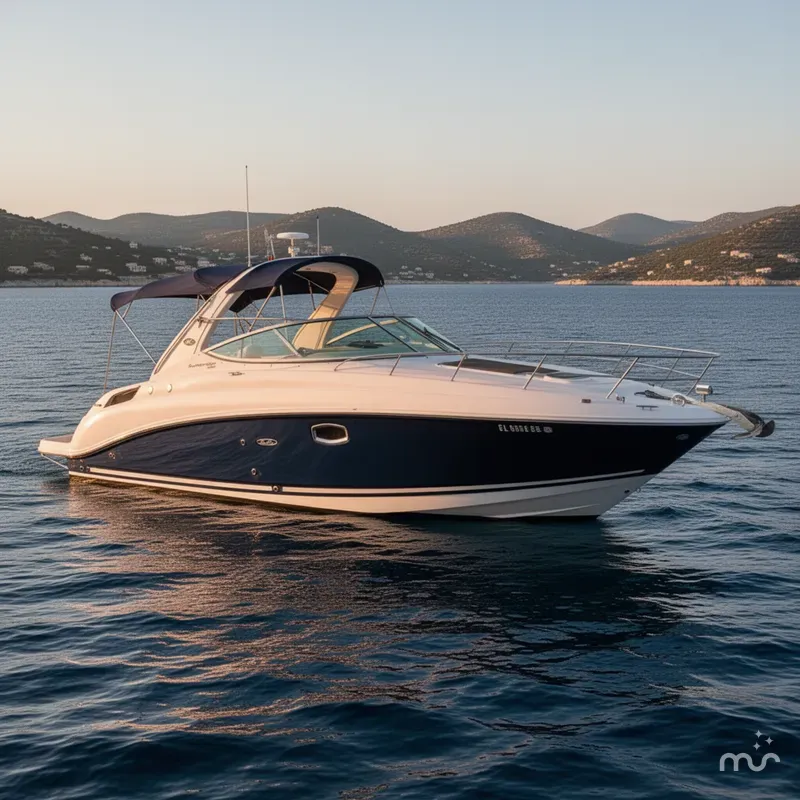
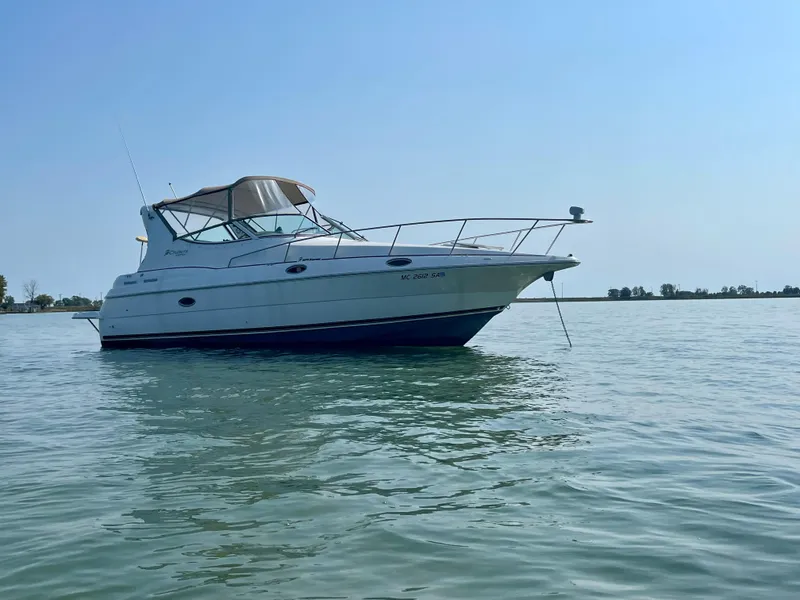
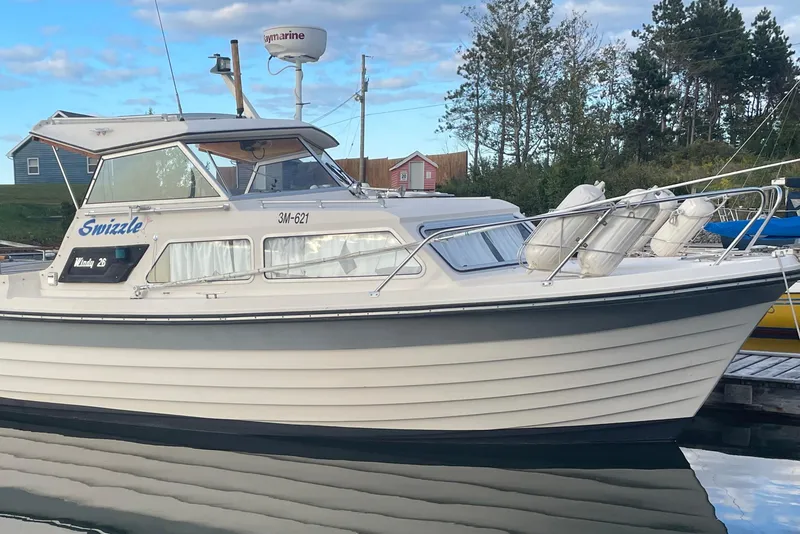
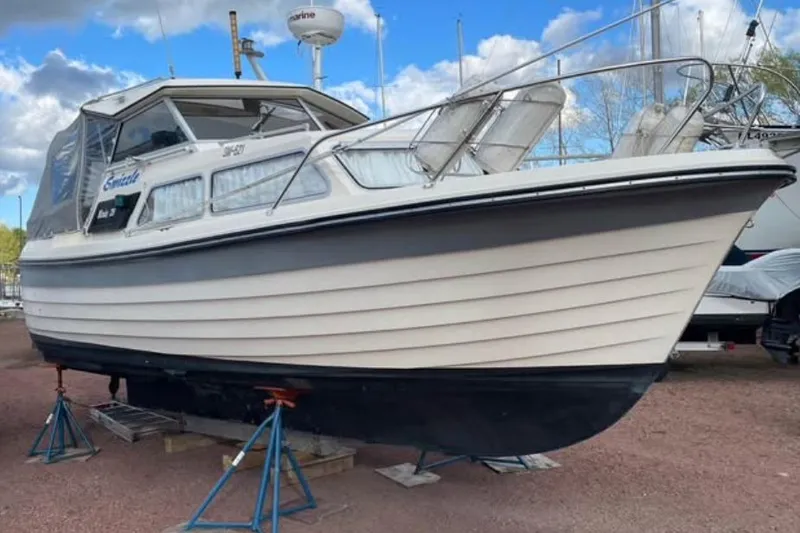
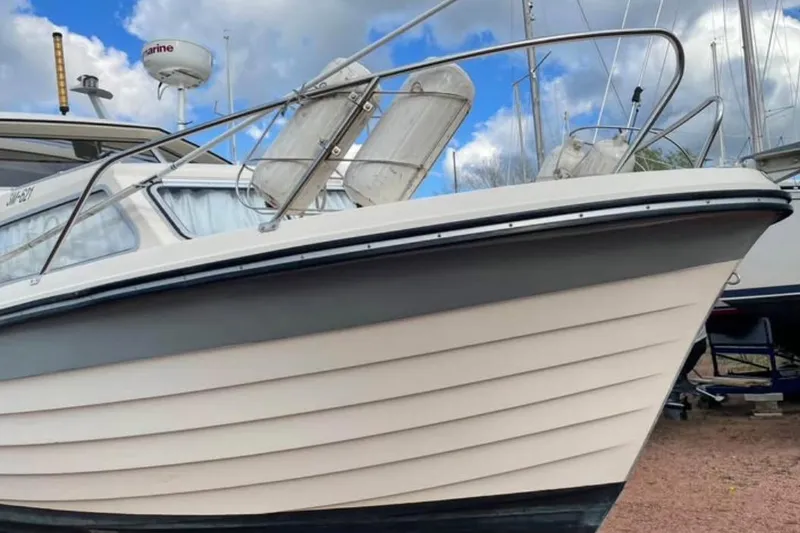
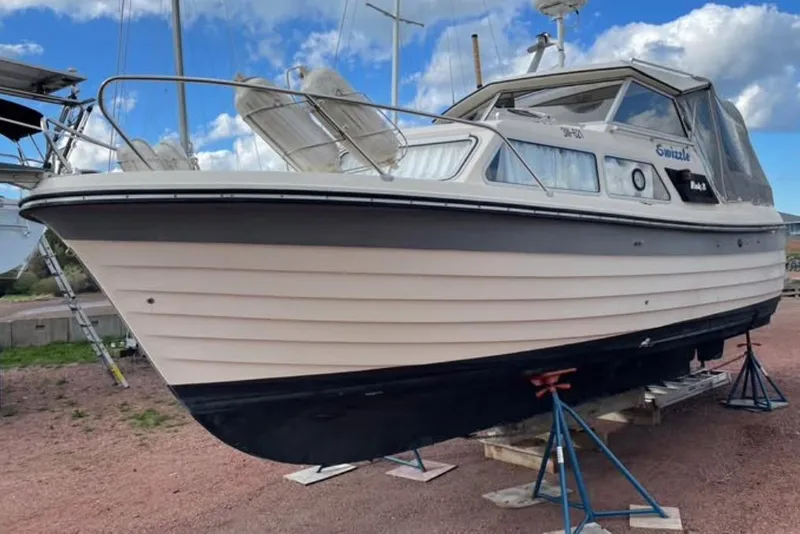
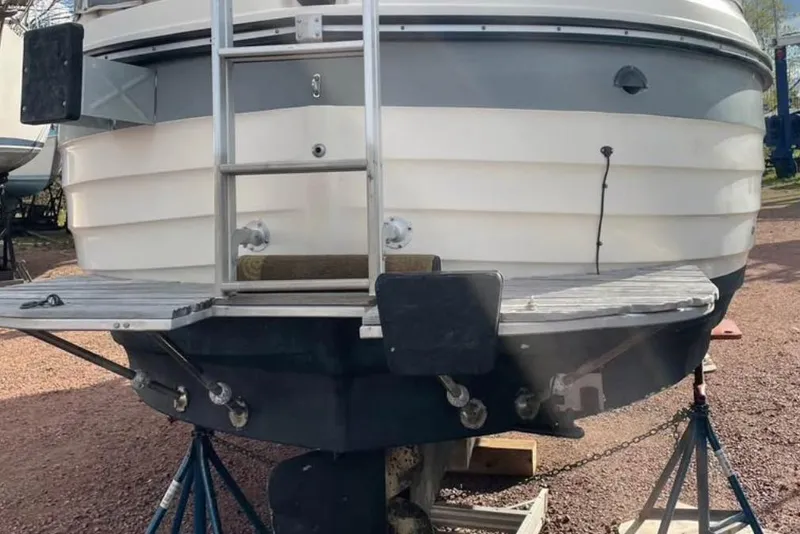
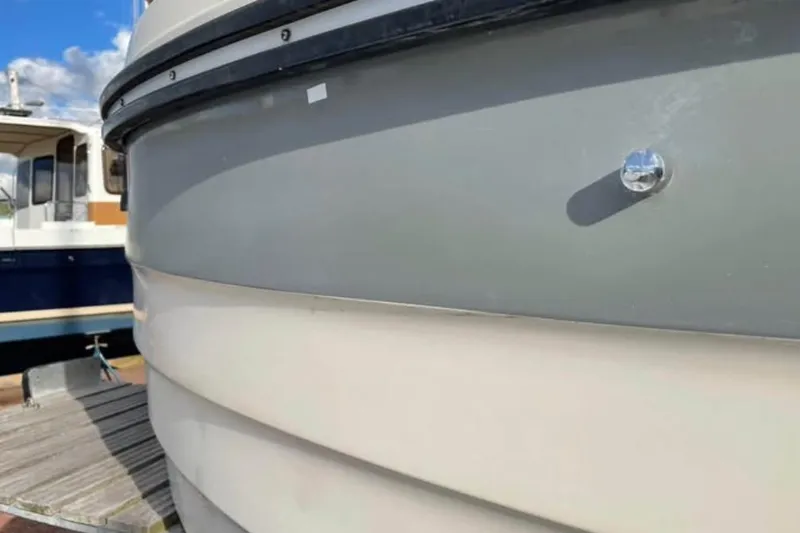
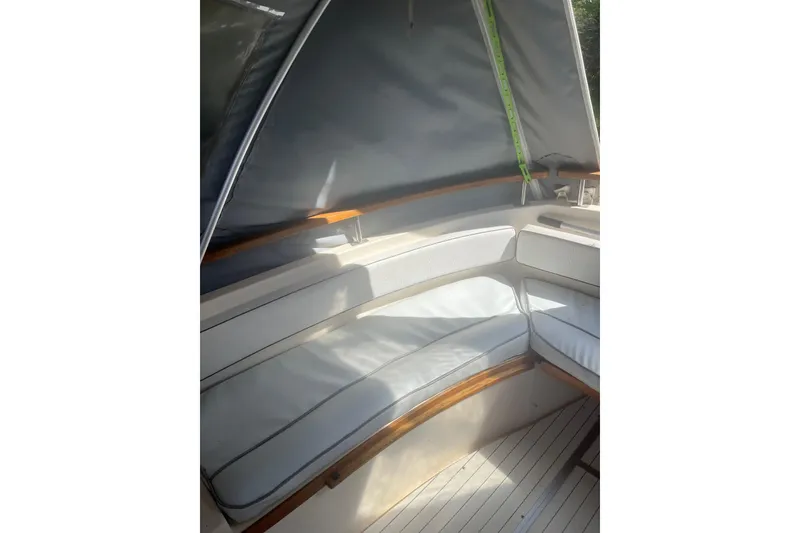
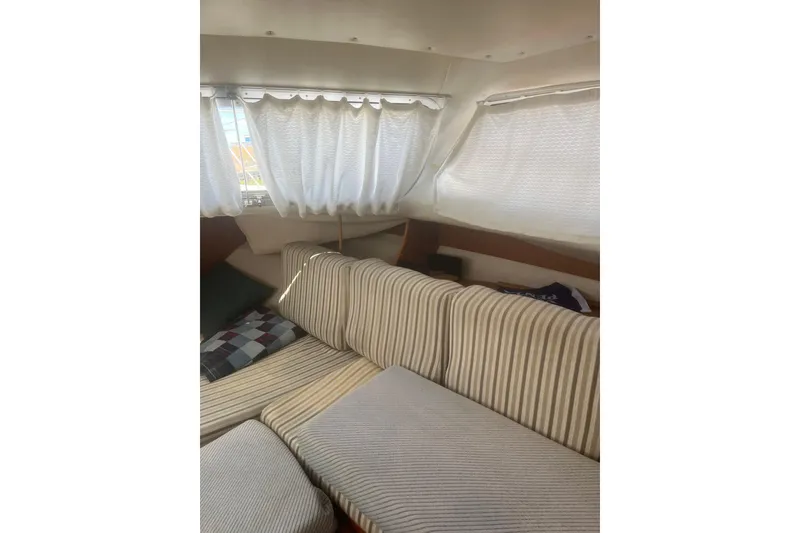
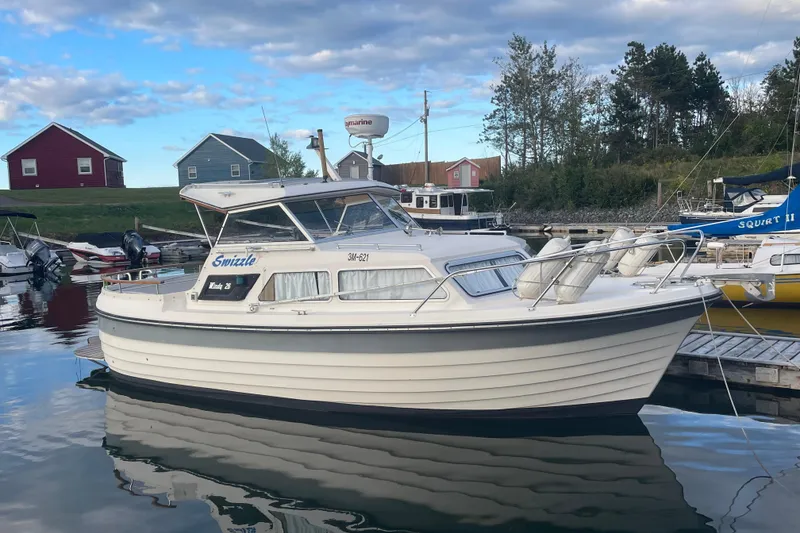
1986 Windy 26 SN Boat in Tatamagouche, NS CA
 Built in 1986
26 SN

1 Engine (Windy)

26 feet

Diesel

Fiberglass/Reinforced
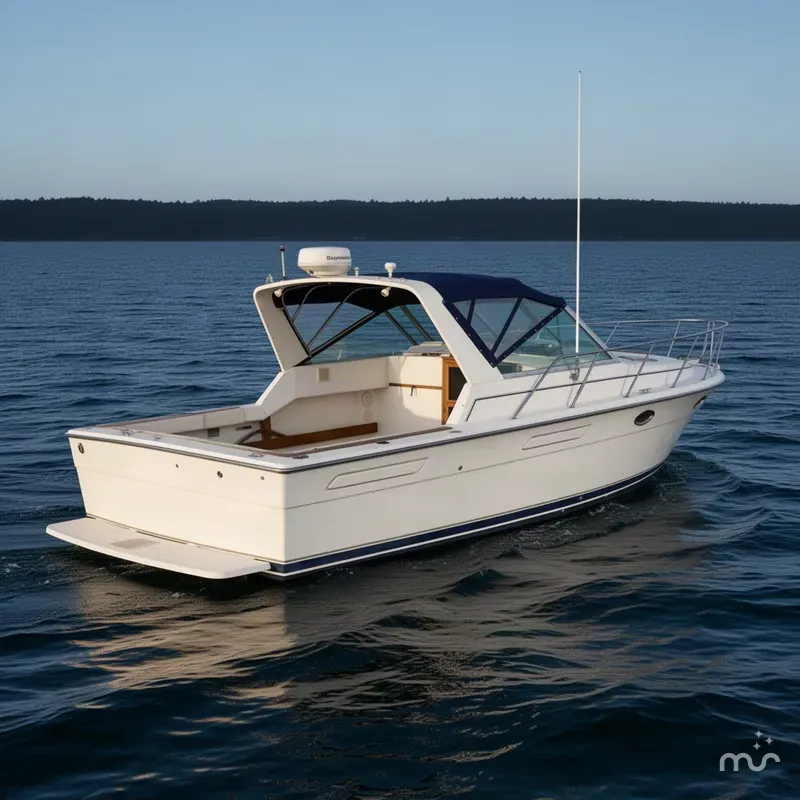
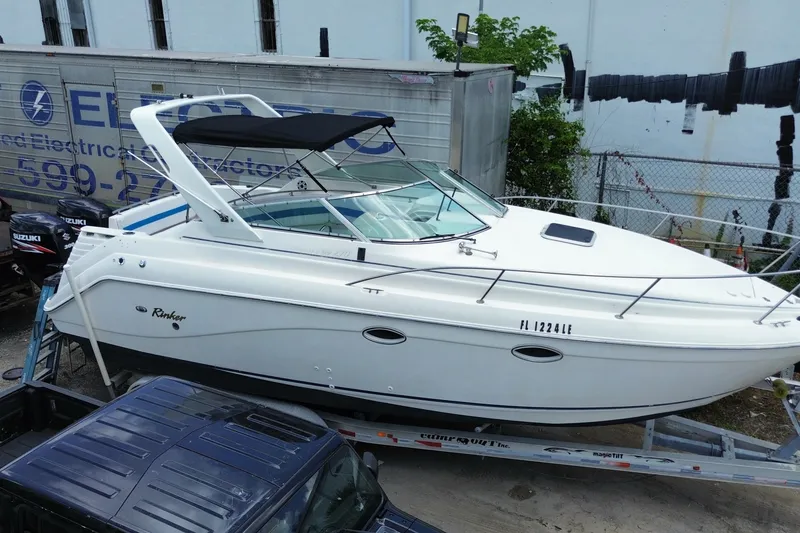
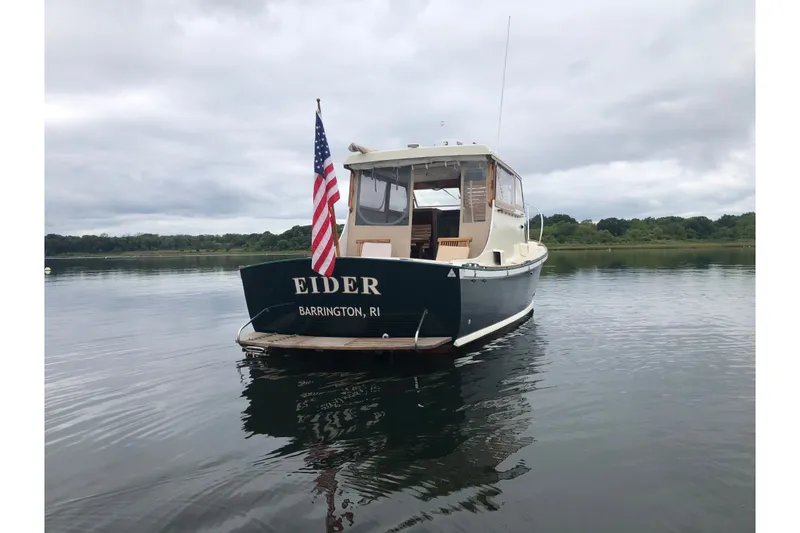
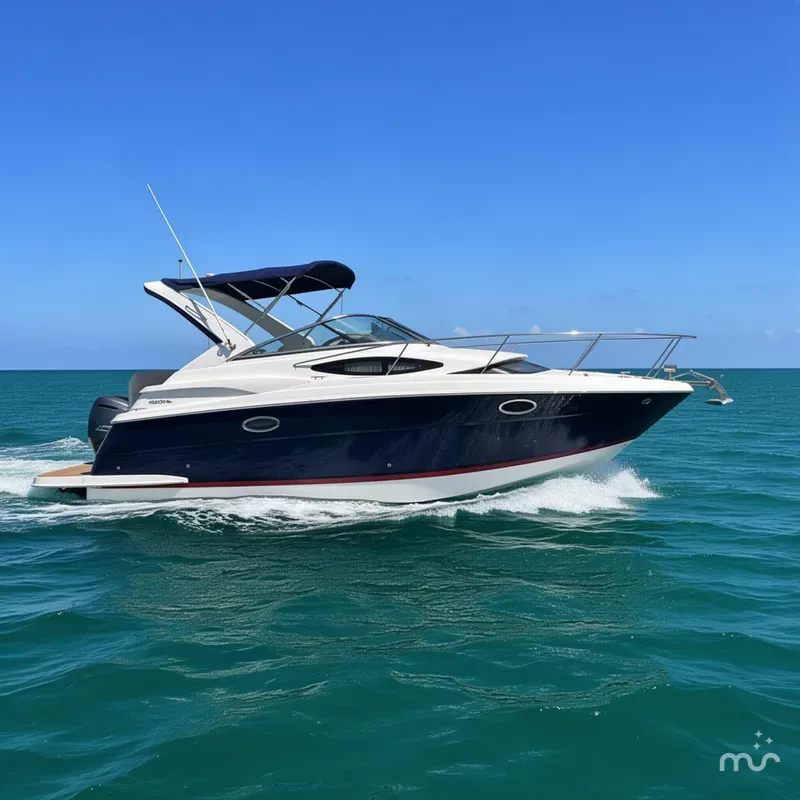
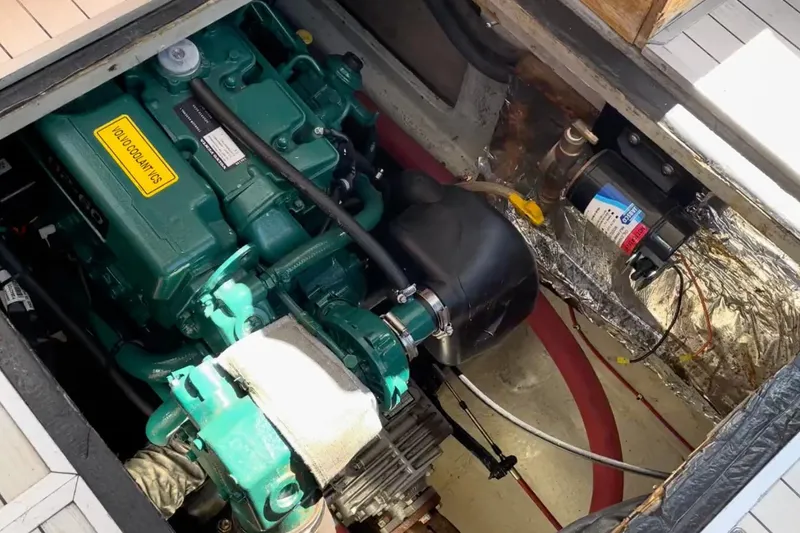
Built in Norway for demanding North Sea conditions, the Windy Pocket Trawler offers exceptional seaworthiness in a compact cruising package. Powered by a professionally installed 2020 Volvo Penta D260 60 HP diesel (installed in 2021), this vessel combines modern reliability with classic Scandinavian craftsmanship. 92 HOURS!
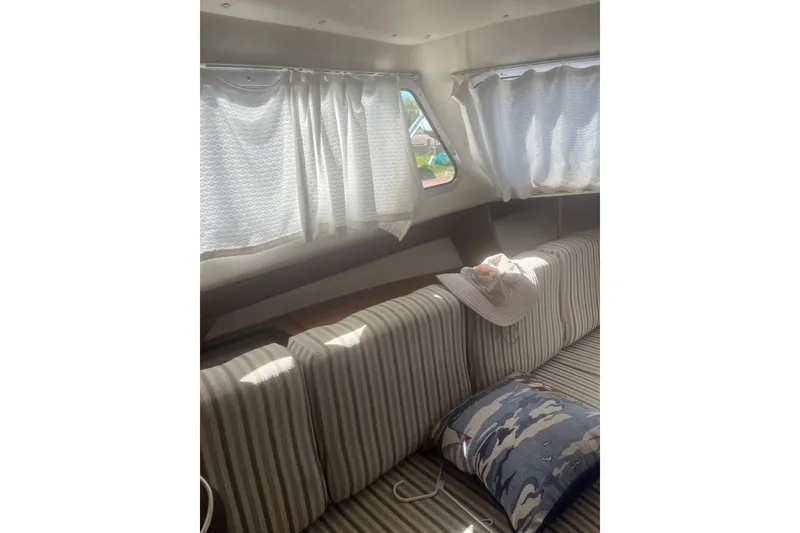
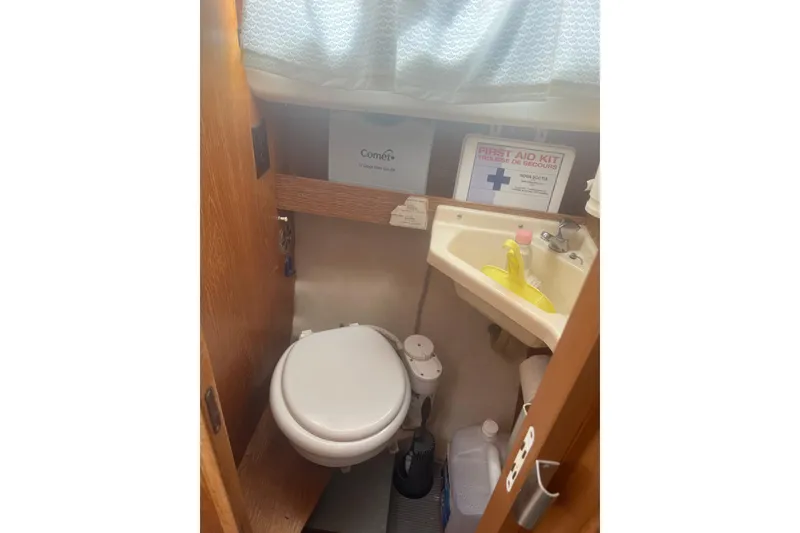
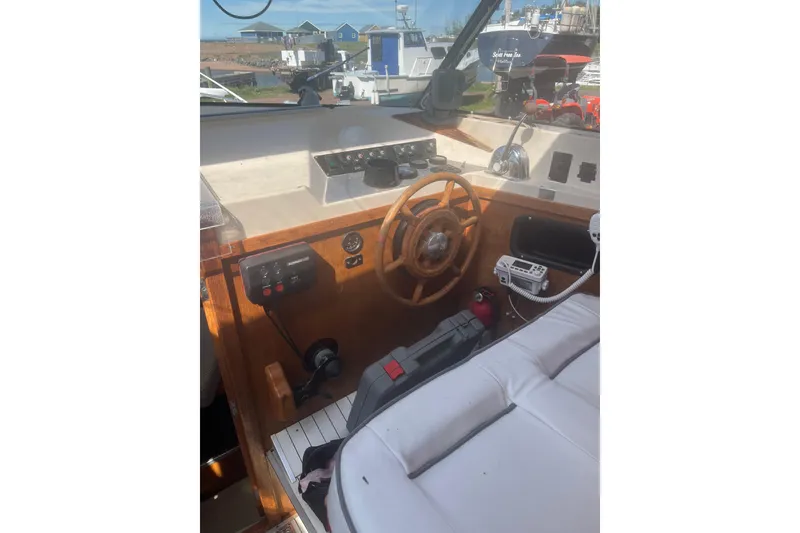
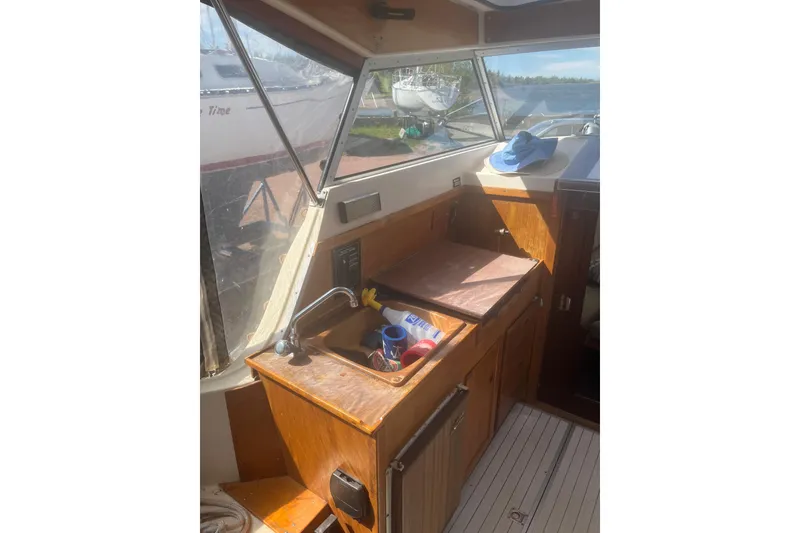
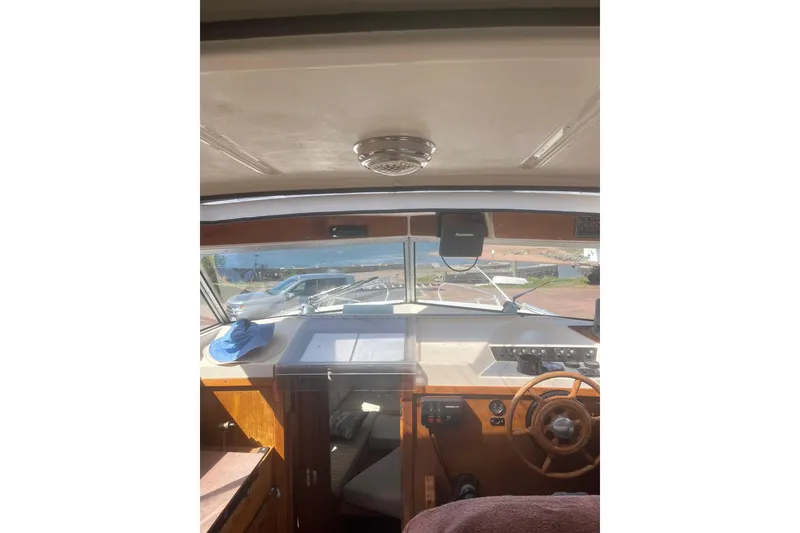
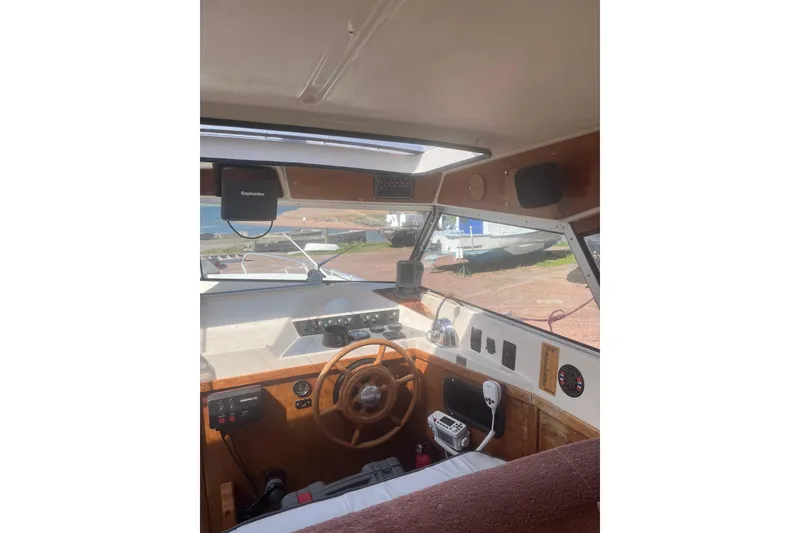
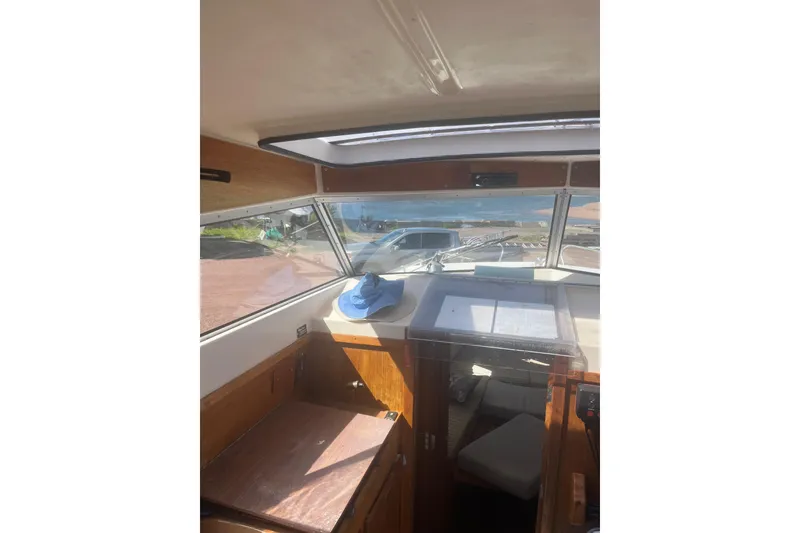
Highlights include Raymarine A78 multifunction electronics, dual VHF radios, electric windlass, full cockpit enclosure, two fresh water tanks, diesel propulsion, Force 10 heater, refrigerator, and a bright teak-trimmed interior that comfortably sleeps up to five.
A 2021 marine survey describes the vessel as clean, well cared for, structurally sound, and in good overall condition
A rugged, economical cruiser ideal for coastal adventures, weekends aboard, or exploring the Atlantic coast.
Contact Chris Power at Atlantic Yacht Sales for more information.
Price History
| Date | Event | Price |
|---|---|---|
| 7/15/26 | Initial price | $48,500 |
Overview from around the web 1986 Windy 26 SN
The 1986 Windy 26 SN has garnered a loyal following over the years, with many customers praising its exceptional build quality and classic design
Boat enthusiasts appreciate its elegant lines and sturdy construction, which exemplifies the craftsmanship typical of Windy boats. Users often highlight its impressive performance on the water, noting that its powerful engine options provide a thrilling and responsive experience, making it a great choice for both leisurely cruising and water sports. Customers frequently mention the spacious cockpit as a standout feature, ideal for socializing and enjoying sunny days on the water. With ample seating and a well-thought-out layout, it's easy to see why this model remains a favorite for entertaining family and friends. The cabin, while compact, is appreciated for its cozy atmosphere and functional amenities, allowing for overnight stays without sacrificing comfort. Safety is also a common theme in reviews, with owners feeling confident in the vessel’s stability and handling. Many users consider the Windy 26 SN a reliable choice for both new boaters and seasoned enthusiasts. Collectively, these insights reflect an enduring appreciation for this classic vessel, showcasing its blend of style, performance, and practicality.
The Biggest Pros and Cons
Pros
Classic Design: The Windy 26 SN boasts a timeless aesthetic with sleek lines and a classic look that appeals to boating enthusiasts who appreciate retro style.
Build Quality: Known for its robust construction, the Windy 26 SN features high-quality materials and craftsmanship, ensuring durability and reliability on the water.
Performance: This model is recognized for its excellent handling and performance in various sea conditions. Its design allows for agile maneuvering and stability during both calm and rough waters.
Comfortable Cabin: The boat typically includes a cozy cabin area, making it suitable for day trips or overnight excursions. It often features sleeping accommodations and a small galley.
Versatile Usage: Whether you’re looking to cruise, fish, or enjoy water sports, the Windy 26 SN is versatile enough to handle a variety of activities, catering to different boating preferences.
Solid Engine Options: Many models come equipped with reliable engine configurations, allowing for respectable speeds and ease of maintenance.
Cons
Age Considerations: Being a 1986 model, some boats may require updates or refurbishment to maintain optimal performance and comfort levels, depending on their maintenance history.
Space Limitations: While the cabin is designed for comfort, it may feel cramped for larger groups. The limited space can affect comfort during extended outings.
Fuel Efficiency: Older models may not have the same level of fuel efficiency as newer boats, potentially leading to higher operational costs, especially on longer trips.
Availability of Parts: Given its age, sourcing replacement parts or specific aftermarket upgrades might be challenging, which could complicate maintenance and repair.
Technology: The Windy 26 SN may lack modern amenities and technologies commonly found in newer models, such as advanced navigation systems, which might be a consideration for tech-savvy users.
Limited Storage: Storage space may be restricted, which can limit your ability to bring along all the gear and provisions you might need for longer outings.
Made For
The 1986 Windy 26 SN is ideal for boat enthusiasts who appreciate classic craftsmanship combined with modern functionality. This elegantly designed vessel caters to a diverse range of boaters, including: 1. Day Cruisers: Perfect for those who enjoy weekend escapades on the water, offering ample space for socializing, sunbathing, and relaxing with friends and family. 2. Fishing Aficionados: With its stable hull and well-thought-out layout, the Windy 26 SN makes for a reliable fishing platform, catering to both serious anglers and casual fishers. 3. Water Sports Enthusiasts: Equipped with the power to tow skiers or wakeboarders, this boat is an excellent choice for those looking to add some thrill to their time on the water. 4. Classic Boat Admirers: This vessel's timeless design and superior build quality will attract individuals who appreciate the beauty and craftsmanship of classic boats. 5. Small Family Boaters: The Windy 26 SN offers a comfortable cabin, making it a cozy choice for small families looking to create lasting memories on the water. Whether you're cruising along the coast or exploring local lakes, the Windy 26 SN delivers an unforgettable boating experience, blending style, performance, and versatility.
Finance your dream boat!
Finance your dream boat!
Be the first to know when similar boats hit the market
Get notified when new boats become available
Boats For Sale in Nova Scotia, Canada Similar to the 1986 Windy 26 SN
Compare with similar boats and find the perfect one for you.
 1986 Windy 26 SN 1986 Windy 26 SN | ||||||
|---|---|---|---|---|---|---|
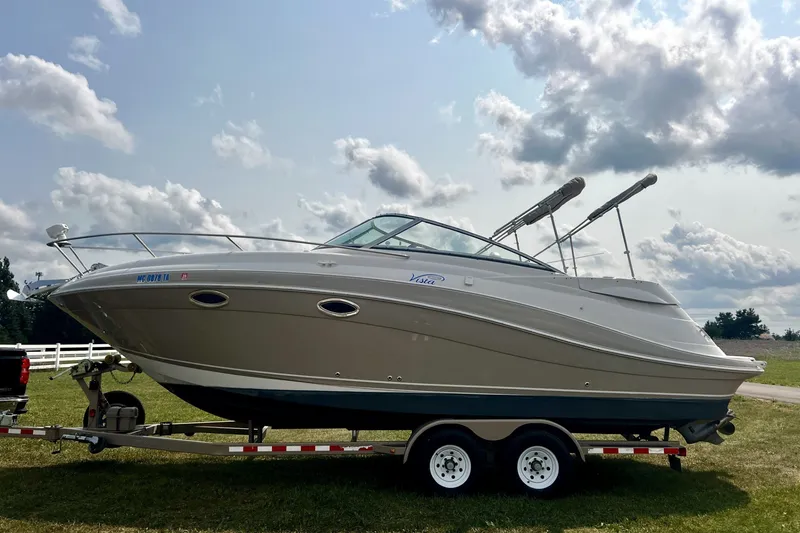
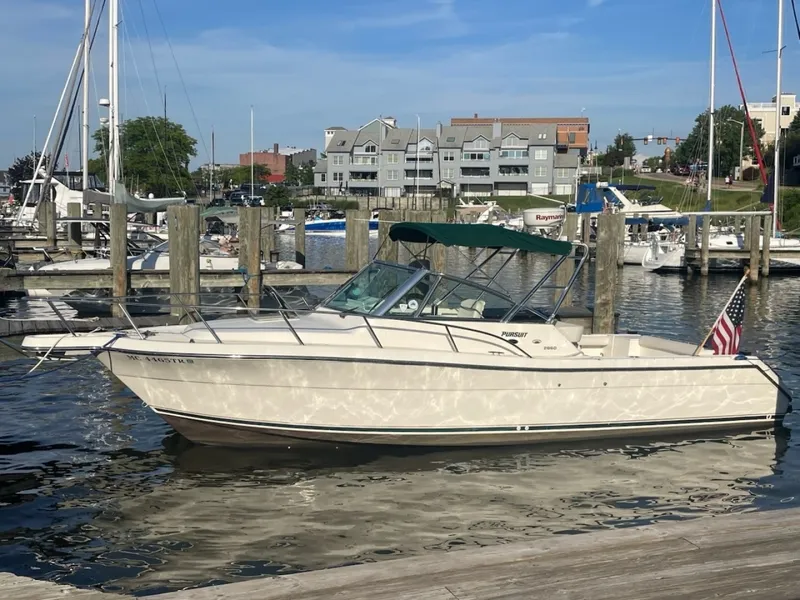
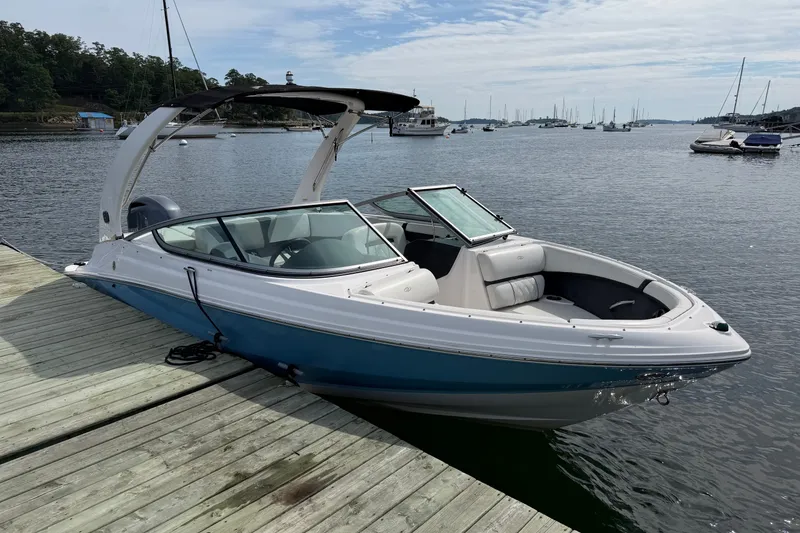
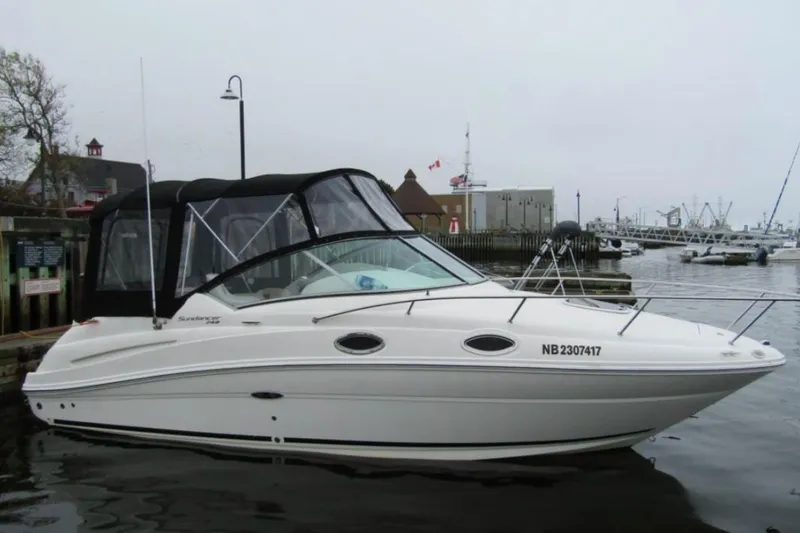
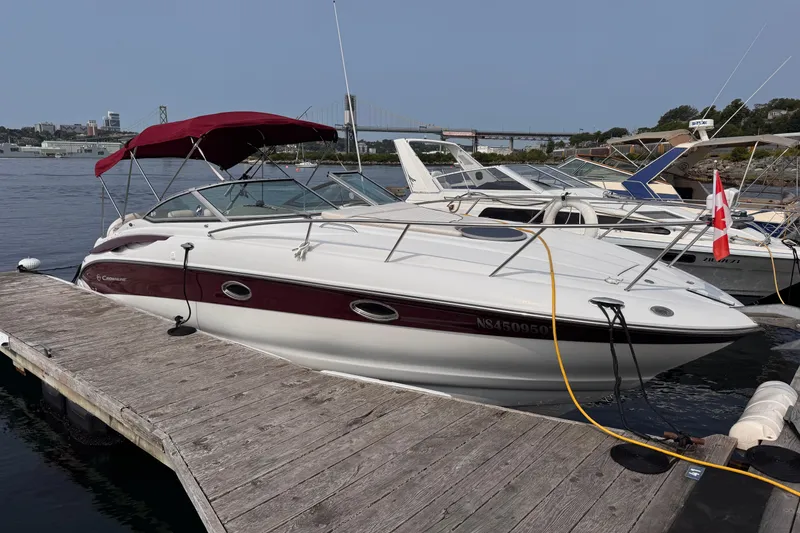
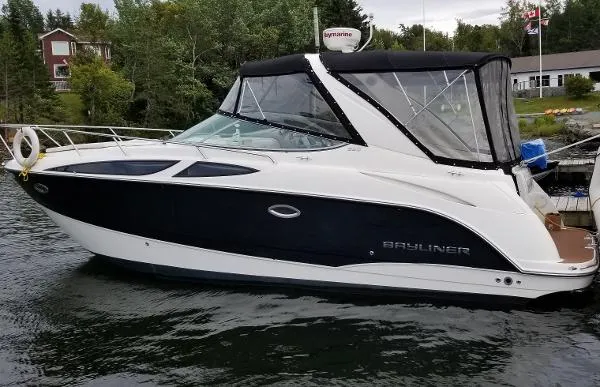
| Price | $48,500 | $49,900 | $44,000 | $54,900 | $59,900 | $59,900 |
| Location | Tatamagouche | Chester | Lunenburg | Halifax | Chester | Brentwood |
| Nominal Length | 26' | 21' | 24' | 29' | 29' | 30' |
| Draft | 3' | - | - | - | - | - |
| Engine Make | Windy | Regal | Sea Ray | Crownline | MerCruiser | MerCruiser |
| Total Engine Power | 60 hp | 150 hp | 260 hp | 350 hp | 350 hp | 260 hp |
| Days on Market | 0 | 0 | 0 | 0 | 0 | 0 |
| Get in touch |
Meet the Broker

Address
Want to update the details or images for this boat? Claim this listing by getting in touch.
Contact Atlantic Yacht Sales about 1986 Windy 26 SN
4425 Hwy 3, Chester, NS, B0J 1J0
 Login with Google