This boat has been sold but check out these similar boats nearby
Other Sail Cruisers boats for sale in Pennsylvania, United States
See All
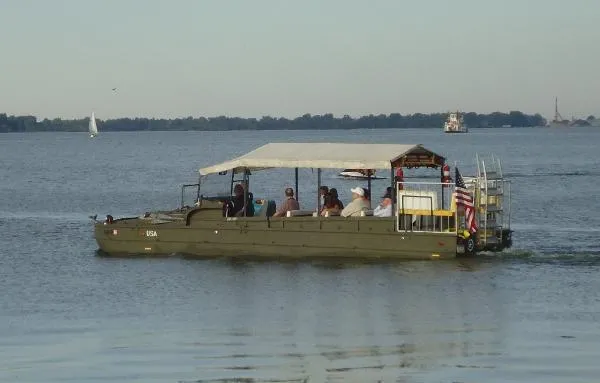
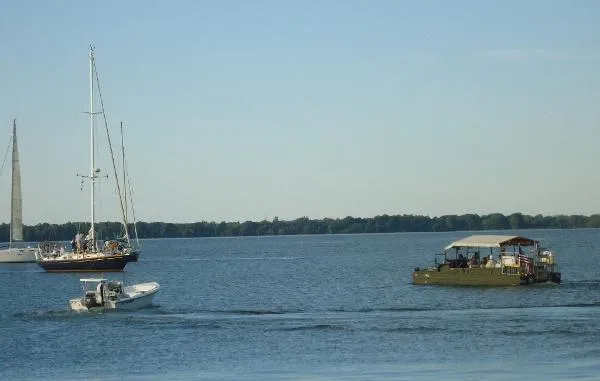
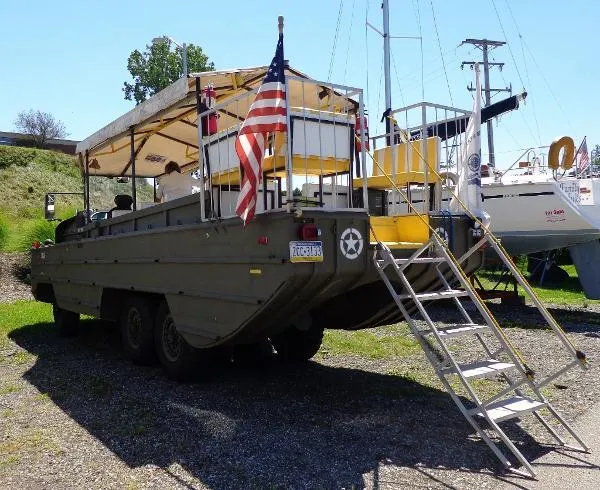
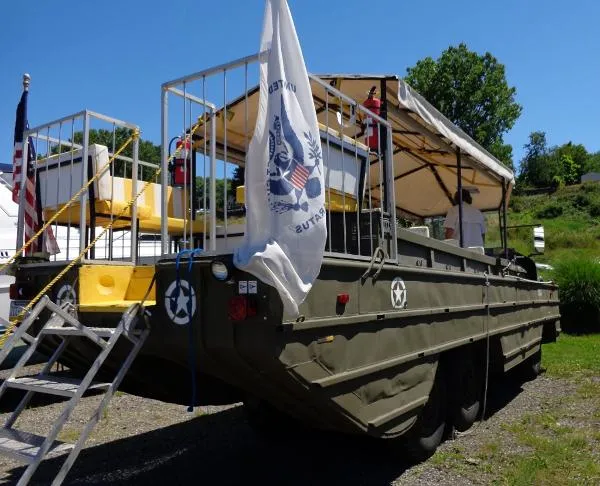

1945 GMC DUKW Military Amphibious Vehicle Sold Boat in Erie, PA US
 Built in 1945
DUKW Military Amphibious Vehicle

--

31 feet

--

Steel
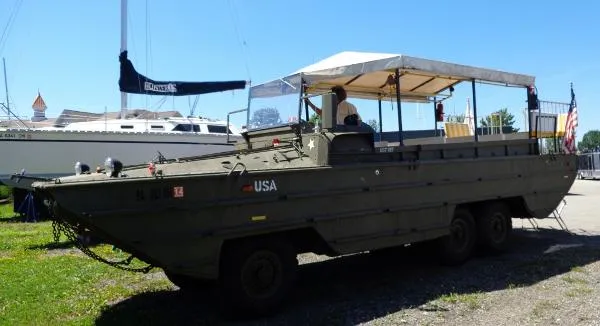
DUKW 1945 "The Donald" Manufacturer's code for a type of military wheeled amphibious landing-craft (D means 1942, U means utility (amphibious), K means all-wheel drive, W means 2 powered rear axles)
The DUKW was designed by Rod Stephens, Jr. of Sparkman & Stephens, Inc. yacht designers, Dennis Puleston, a British deep water sailor resident in the U.S., and Frank W. Speir, a Reserve Officers' Training Corps Lieutenant out of Massachusetts Institute of Technology.[8] Developed by the National Defense Research Committee and the Office of Scientific Research and Development, it was initially rejected by the armed services. When a United States Coast Guard patrol craft ran aground on a sand bar near Provincetown, Massachusetts, an experimental DUKW happened to be in the area for a demonstration. Winds up to 60 knots (110 km/h), rain, and heavy surf prevented conventional craft from rescuing the seven stranded Coast Guardsmen, but the DUKW had no trouble, and the military opposition melted. The DUKW would later prove its seaworthiness by crossing the English Channel.
The GMC DUKW Certainly the world's most iconic amphibious vehicle, the DUKW or Duck was one of the vital vehicles of WW2.
Almost written of as laughable during its earliest demonstrations by senior US Army officers, the smug smiles were soon wiped off their faces when the prototype DUKW answered a distress call in very rough seas right in front of them and safely landed the crew of a coastguard cutter on the beach.
Undoubtedly D Day and the days after were heavily influenced by the DUKW which allowed men, materials and supplies to be landed ashore before a port was taken, in pretty unpleasant seas.
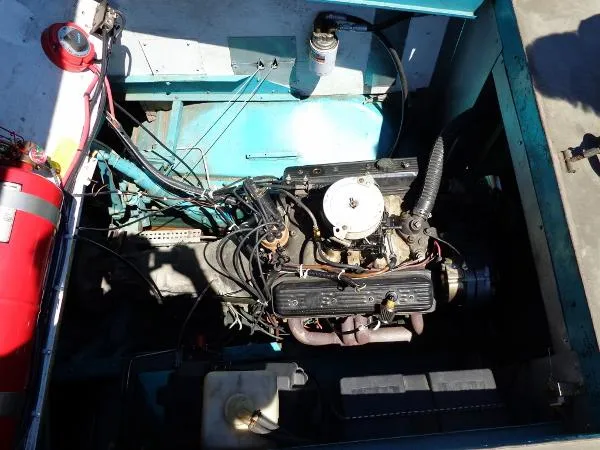
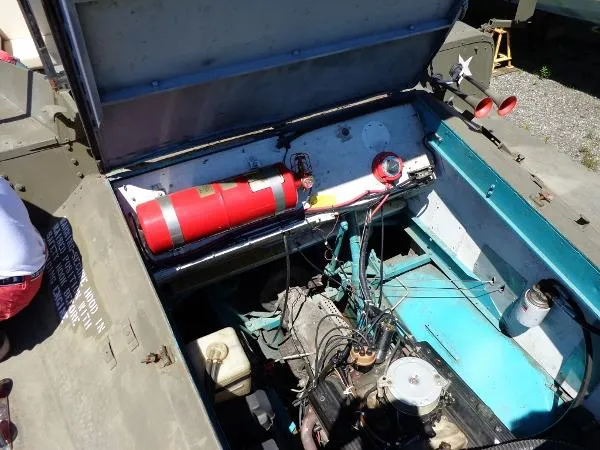
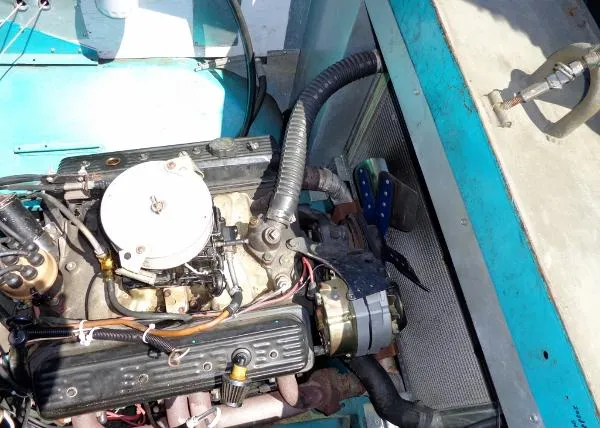
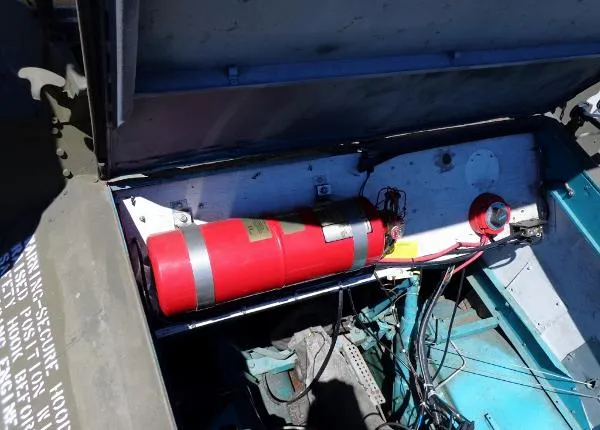
Built around the Banjo axle GMC 6x6 chassis, the DUKW has the same GMC 270 cubic inch engine and transmission.
It has a very low seaboard but can handle some surprisingly rough seas.
Even 60 years on, DUKW's continue to operate in civilian life, most notably for River Tours in major cities such as London, Boston, Pittsburgh and Dublin, where tourists marvel at the chance to be driven and ferried around the city in the same vehicle.
Type: Amphibious transport Place of origin United States
DUKW 1945 “The Donald” Manufacturer's code for a type of military wheeled amphibious landing-craft (D means 1942, U means utility (amphibious), K means all-wheel drive, W means 2 powered rear axles)
The DUKW was designed by Rod Stephens, Jr. of Sparkman & Stephens, Inc. yacht designers, Dennis Puleston, a British deep water sailor resident in the U.S., and Frank W. Speir, a Reserve Officers' Training Corps Lieutenant out of Massachusetts Institute of Technology.[8] Developed by the National Defense Research Committee and the Office of Scientific Research and Development, it was initially rejected by the armed services. When a United States Coast Guard patrol craft ran aground on a sand bar near Provincetown, Massachusetts, an experimental DUKW happened to be in the area for a demonstration. Winds up to 60 knots (110 km/h), rain, and heavy surf prevented conventional craft from rescuing the seven stranded Coast Guardsmen, but the DUKW had no trouble, and the military opposition melted. The DUKW would later prove its seaworthiness by crossing the English Channel.
The GMC DUKW Certainly the world’s most iconic amphibious vehicle, the DUKW or Duck was one of the vital vehicles of WW2.
Almost written of as laughable during its earliest demonstrations by senior US Army officers, the smug smiles were soon wiped off their faces when the prototype DUKW answered a distress call in very rough seas right in front of them and safely landed the crew of a coastguard cutter on the beach.
Undoubtedly D Day and the days after were heavily influenced by the DUKW which allowed men, materials and supplies to be landed ashore before a port was taken, in pretty unpleasant seas.
Built around the Banjo axle GMC 6x6 chassis, the DUKW has the same GMC 270 cubic inch engine and transmission.
It has a very low seaboard but can handle some surprisingly rough seas.
Even 60 years on, DUKW’s continue to operate in civilian life, most notably for River Tours in major cities such as London, Boston, Pittsburgh and Dublin, where tourists marvel at the chance to be driven and ferried around the city in the same vehicle.
Type: Amphibious transport Place of origin United States
Finance your dream boat!
Finance your dream boat!
Be the first to know when similar boats hit the market
Get notified when new boats become available
Meet the Broker
Address
Want to update the details or images for this boat? Claim this listing by getting in touch.
Contact the dealer about 1945 GMC DUKW Military Amphibious Vehicle
Erie, PA
 Login with Google