This boat has been sold but check out these similar boats nearby
Other Trawler boats for sale in Texas, United States
See All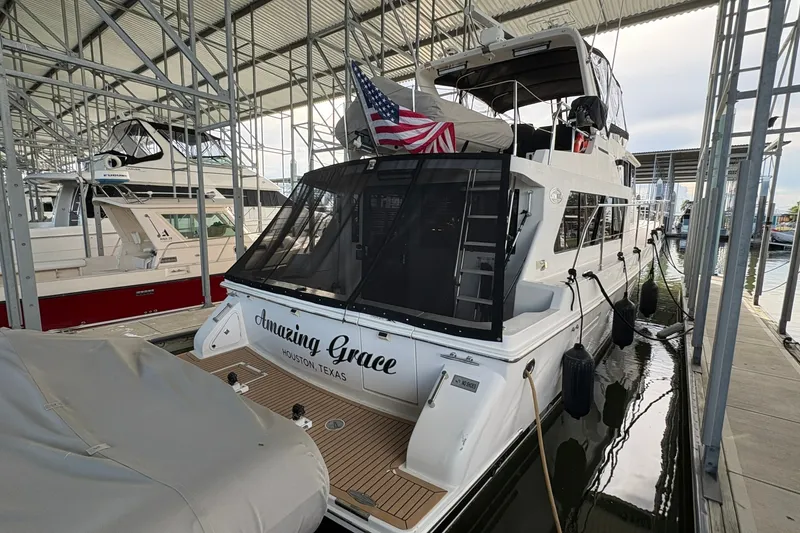
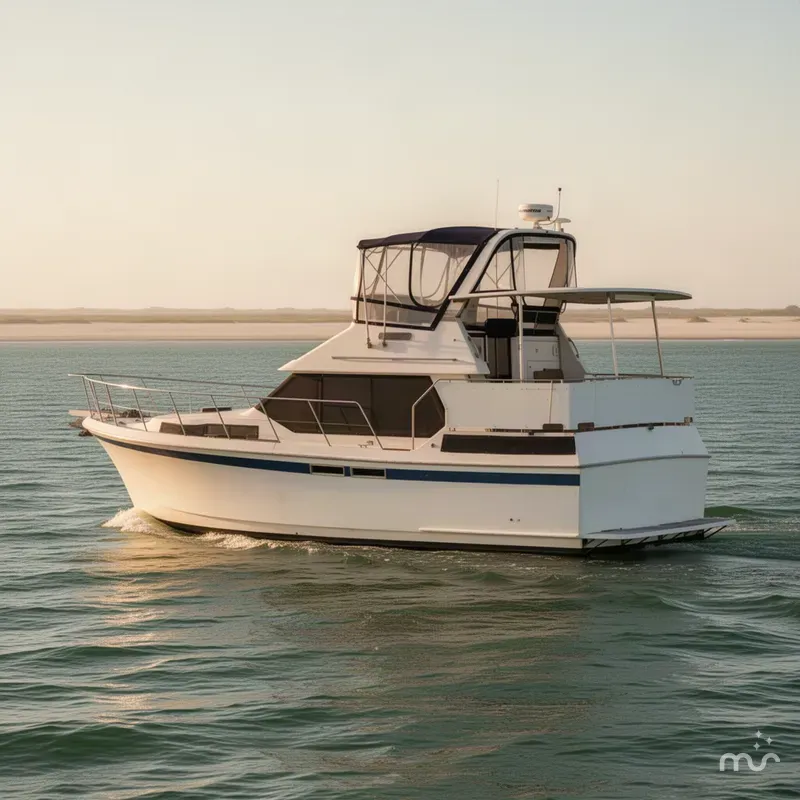
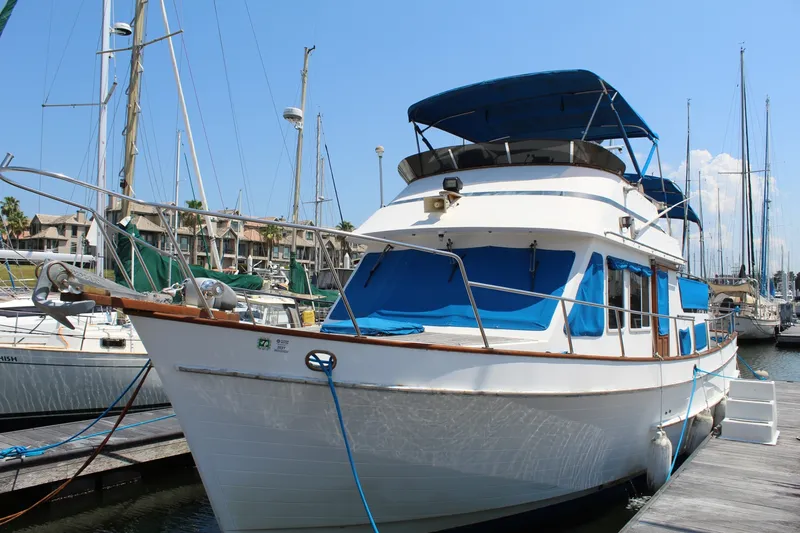
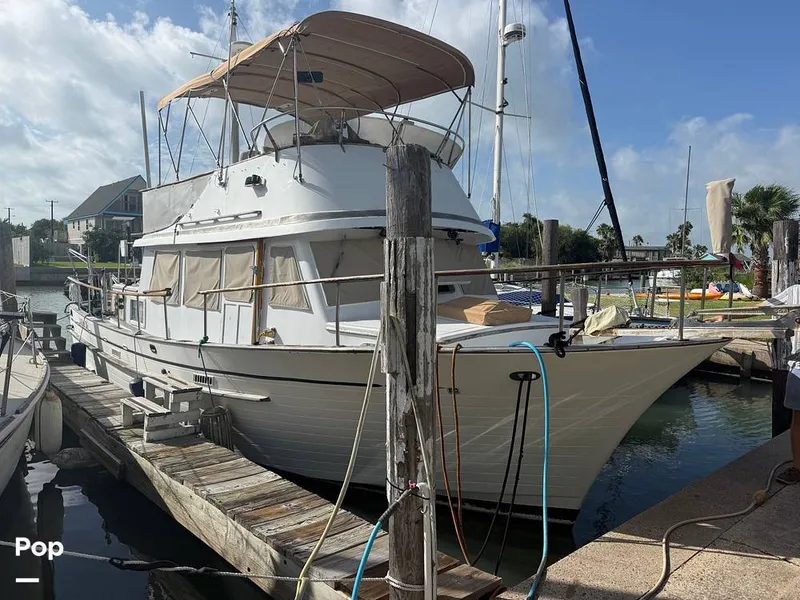
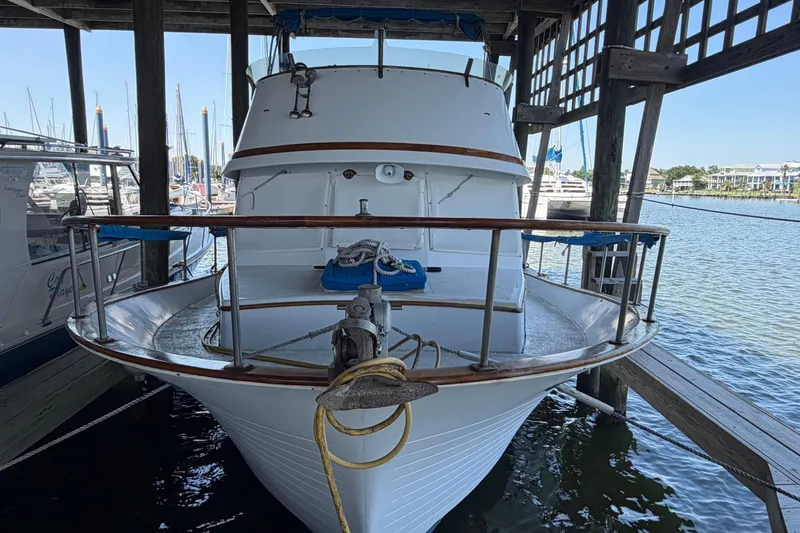
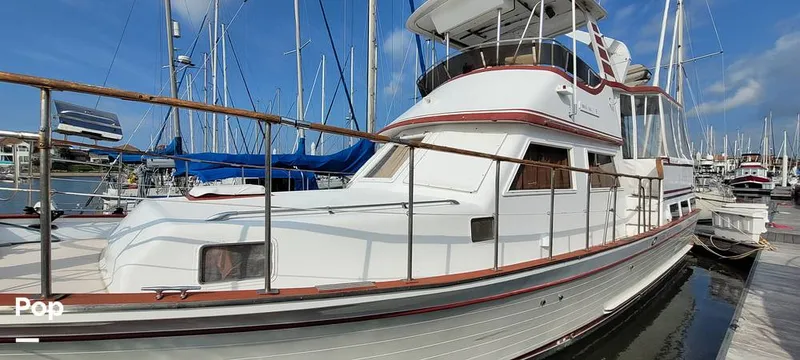
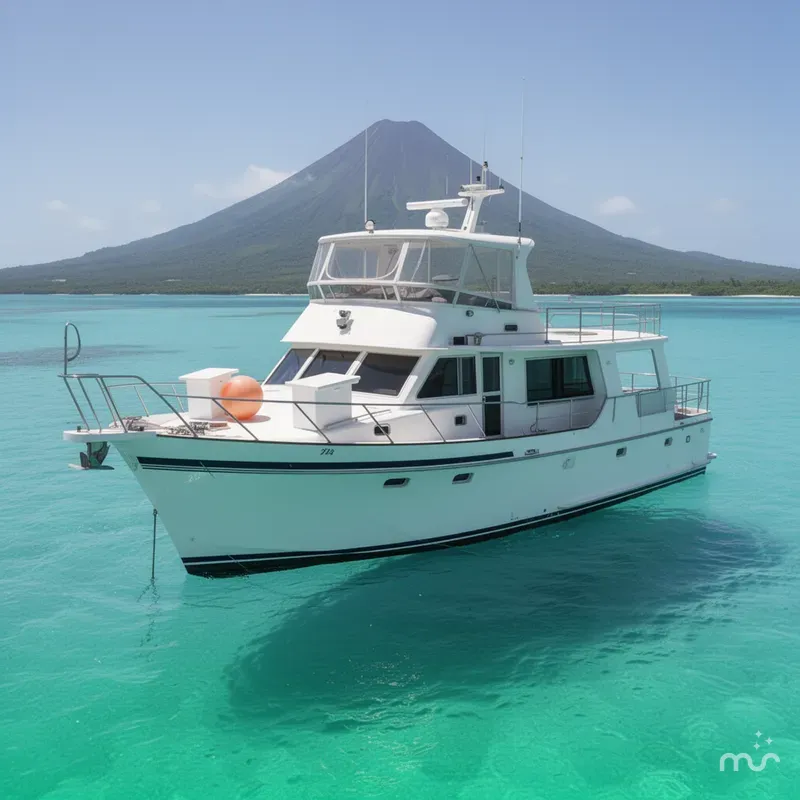
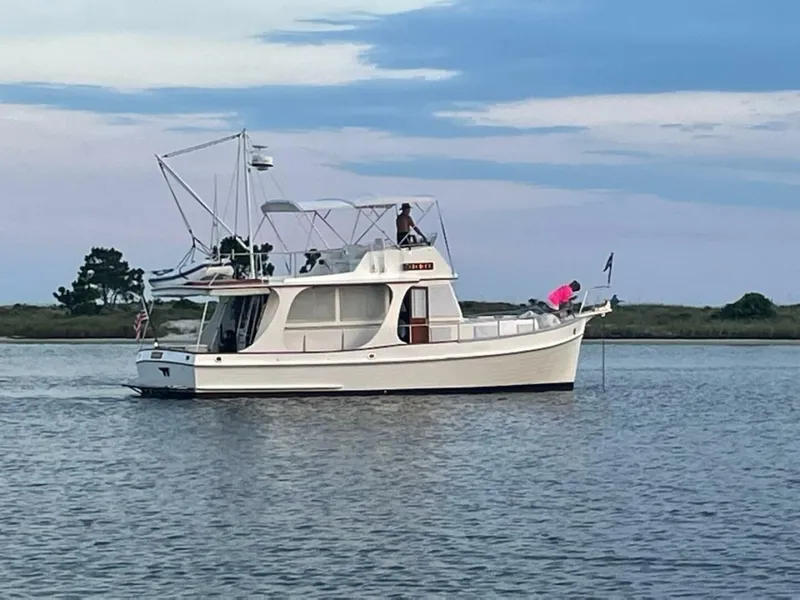
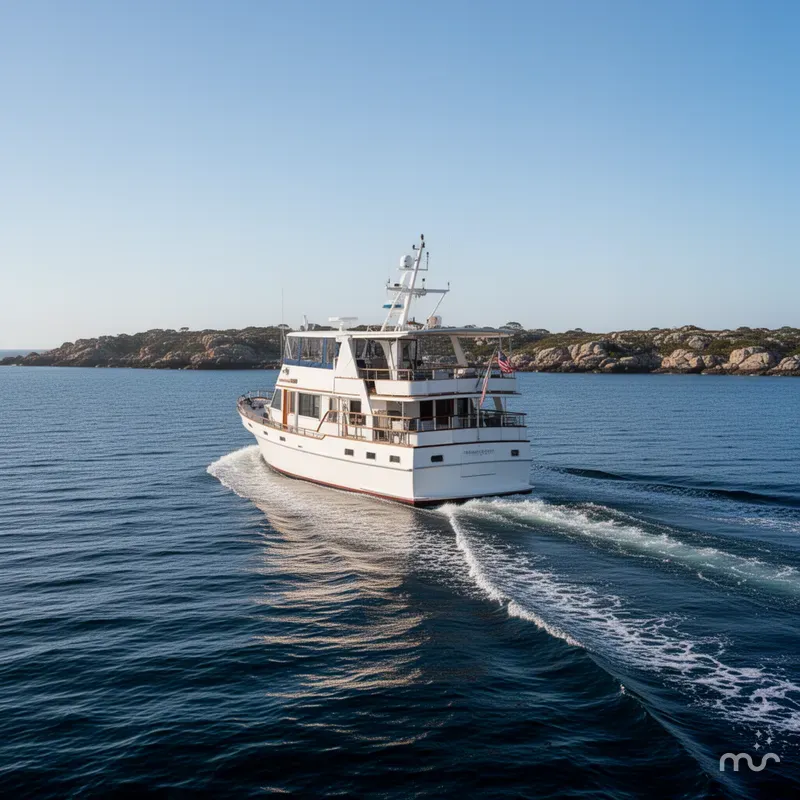
2008 Ranger Tug R-25 Sold Boat in Denison, TX 75020 US
 Built in 2008
R-25

1 Engine (Yanmar)

25 feet

Diesel

Fiberglass/Reinforced
Boats For Sale in Texas, United States Similar to the 2008 Ranger Tug R-25
Compare with similar boats and find the perfect one for you.
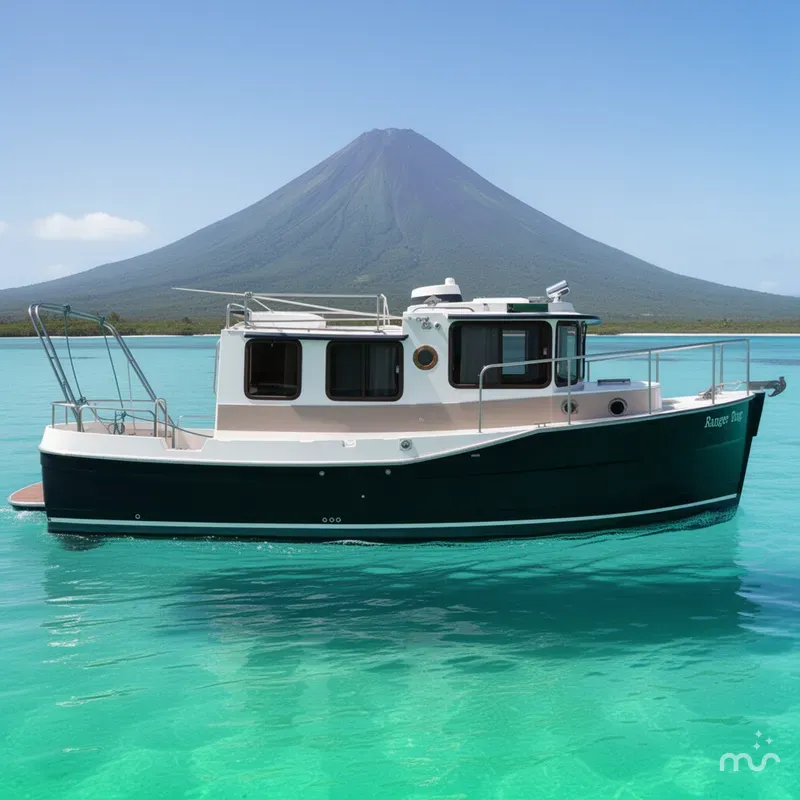 2008 Ranger Tug R-25 2008 Ranger Tug R-25 | |||
|---|---|---|---|
| Price | $89,900 | $95,000 | $101,995 |
| Location | Denison | League City | Corpus Christi |
| Nominal Length | 25' | 44' | 42' |
| Draft | 2' | - | - |
| Engine Make | Yanmar | Volvo | Lehman-Ford |
| Total Engine Power | 110 hp | 230 hp | 120 hp |
| Days on Market | 203 | 492 | 131 |
| Get in touch |
Just listed! 2008 Ranger Tug. Less than 1000 Engine Hours. Much more detail and pictures coming soon.
2008 Ranger Tug 25 "Salty Bones"Classic Tug Styling • Efficient Diesel Power • Trailerable Pocket Cruiser"Salty Bones" is a charming and capable 2008 Ranger Tug 25 that delivers everything boaters love about the Ranger Tug brand-classic lines, efficient diesel performance, exceptional versatility, and comfortable accommodations in a manageable, easy-to-own package.
Designed for adventurous cruisers who value efficiency, comfort, and simplicity, the Ranger Tug 25 has become one of the most sought-after pocket cruisers on the market. Whether you're exploring local waters, spending weekends aboard, or embarking on extended cruising adventures, "Salty Bones" is perfectly suited to the task.
From the dock, her traditional tugboat-inspired profile immediately turns heads. The distinctive pilothouse design, sturdy construction, and practical layout reflect Ranger Tugs' reputation for creating boats that are both attractive and exceptionally functional.
Step aboard and you'll find a thoughtfully designed cockpit that maximizes usable space while providing easy access around the vessel. Wide side decks, secure handrails, and a protected pilothouse make moving about the boat safe and comfortable in a variety of conditions.
Inside the pilothouse, large windows provide outstanding visibility and flood the interior with natural light. The helm station is arranged for ease of operation, placing all controls within comfortable reach while offering excellent sightlines for docking, cruising, and navigating busy waterways. Comfortable seating allows captain and guests to enjoy the journey together regardless of weather conditions.
The interior accommodations are remarkably spacious for a vessel of this size. Ranger Tug designers have utilized every inch of available space to create a comfortable and practical cruising environment. The salon and dinette provide a welcoming area for dining, relaxing, or planning the next day's adventure.
A well-equipped galley allows for convenient meal preparation onboard, making overnight stays and extended cruising comfortable and enjoyable. Thoughtful storage solutions throughout the cabin help keep gear organized and accessible.
Below, comfortable sleeping accommodations make "Salty Bones" an excellent choice for couples or small families looking to spend quality time on the water. An enclosed head further enhances onboard comfort and convenience.
Power is provided by an economical diesel engine, one of the defining features that has made Ranger Tugs so popular among cruising enthusiasts. Efficient fuel consumption, dependable operation, and excellent maneuverability allow owners to spend more time exploring and less time at the fuel dock.
Highlights Include:- Popular Ranger Tug 25 model
- Classic tugboat-inspired styling
- Economical diesel power
- Protected pilothouse design
- Excellent visibility from the helm
- Comfortable overnight accommodations
- Functional galley and dining area
- Enclosed head compartment
- Efficient and easy-to-operate cruising platform
- Ideal for couples, weekend cruising, and adventure boating
- Ranger Tug quality and reputation
The Ranger Tug 25 has earned a loyal following because it successfully combines the charm of a traditional tug with the practicality of a modern cruiser. Her compact size makes ownership, storage, and operation straightforward, while her comfortable accommodations encourage owners to venture farther and stay longer.
Whether you're searching for your first cruising boat, downsizing from a larger vessel, or simply looking for an efficient and enjoyable way to explore the water, "Salty Bones" represents an outstanding opportunity to own one of the most recognizable and respected pocket cruisers available today.
Schedule your private showing and discover why Ranger Tugs continue to inspire adventure wherever the water leads.
2024 Survey available upon request.
The Ranger Tug R-25 A fuel-sipping, comfortable-living 25-foot mini-trawler A real-life boat test of a traveling boat for today Instead of writing our own article for this month’s issue of Boats & Notes, we would like to share the following re-print of a boat review that was done last summer on the Ranger Tug 25. We hope you will enjoy reading it. The Ranger Tug 25 also graced the cover of the issue described below. This boat review was first published in September 2007 by HeartLand Boating Magazine. Written for boaters, by boaters—such as this award-winning writer, Gary Kramer—HeartLand Boating covers the rivers and lakes from the Great Lakes to the Gulf Coast.
Have you got boat-trip fever but flinch every time you figure fuel costs? Do you wish you could explore new waterways that are a long way from your homeport? If you fit either description, there is a new girl on the boating block you should take a look at. The Ranger Tug R-25 is a roomy, semi-planing, 25-foot trailerable trawler powered by a fuel-stingy single diesel. With an 8 1/2-foot beam, a 26-inch draft and a prop protected by the keel, it can be taken almost anywhere and keep you warm, dry and comfortable in the process. True traveling boaters require different elements in a vessel than people whose boating centers around recreational lounging, entertaining and occasional light cruises. The designer of the Ranger Tug incorporated as many of those traveling requirements as possible in a 25-foot package. The boat was known for a short time as a C-Ranger Tug but is now simply a Ranger Tug, built by the company of that name. The workers there have been building sturdy boats in the Northwest since 1958. The boat was designed by Dave Livingston, who justifiably claims that “more people have owned a boat that he built than any other designer” during his career with Reinell, Bayliner, Regal and Wellcraft. He tapped his years of experience to pack as much room and livability in this boat as possible. The boat looks like a mini-tug with its high bow, multi-windowed and extended pilot house-cabin and a rear cockpit. A stepped cabin roof sports a traditional tug stack, dual horns and an optional, fold-down mast able to hold electronic equipment. With the mast upright, the boat’s height is 12 feet but it drops to 7 1/2 feet when the mast is locked in the lowered position for bridge clearance or towing.
That stepped roof also creates whopping 7 1/2 feet of head room at the helm, 7 feet in the forward cabin, and a full, 6 1/2 feet in the aft section of cabin and in the head. Even part of the V-berth has 5 feet, 10 inches of headroom, and there’s greater height by the helm. The cabin soles are teak and holly. Access to the cabin is through a tinted, Diamond Sea Glaze door in the center of the cockpit. The head sits to starboard and has an overhead hatch and a brass porthole for light and ventilation. It also has a shower and lots of teak woodwork coated with polyurethane. The finish means that woodwork maintenance is simply a matter of wiping it down. Across from the head is a unique cuddy-storage area open to the ceiling in the rear. The storage area has foot room extending almost seven feet under the portside dinette. The dinette also converts to a sleeping area and the forward bench seat flips to either serve as dinette seating or as a forward-facing passenger seat. The optional 16,000 BTU air conditioner would be mounted under that seat. Forward of the head is the galley area with a stove, sink and under counter AC/DC refrigerator. Six storage compartments with teak doors are under the counter. On most boats this size with a center aisle, it is hard for two people to pass. But this boat has a unique step-in notch in the countertop that allows the cook to work and not block the aisle.
The stove is also unique, because it can be ordered as a combination diesel stoveheater. When the lid is raised, it is a two burner stove but it becomes a heater when the lid is closed and a blower runs. Karen Schuler, who sells the boats along with her husband, Ken, at Midwest Trawlers Inc. in Manitowoc, Wis., said they recommend people use a cleaner-burning fuel than diesel in the six-gallon storage tank for the stove. While under way, the boat uses engine heat, like a car, to heat the cabin. The helm seat sits at the front edge of the countertop and folds forward to allow full use of the counter. The helm station can be ordered with a complete electronics package and a 12-inch screen, or it can just be left with minimum equipment, depending on where the boat will be used. An option Ken recommends as much for its navigational value as for its recreational value, is satellite television. For traveling folks, the ability to watch local weather on TV is a valuable safety addition. The V-berth is a step down from the helm area, and sitting headroom varies by up to 40 inches. The cushions measure seven feet down the sides and six feet down the middle. The boat comes standard with a 75-horsepower fresh-water-cooled Yanmar diesel, but so far all the boats have been ordered with the optional 110-hp engine. A normal cruising speed of 10 to 12 knots burns about four gallons per hour. On a relatively flat Lake Michigan, Ken cranked the reviewed boat up to just past 18 mph. Cruising range with the 75-gallon fuel tank could vary between 300 to 700 miles, depending on her speed and water conditions. At seven to eight knots, she handles easily with no wandering like a traditional trawler with a displacement hull. The hull is designed so she transitions to more of a planing boat as her speed increases. With its full keel and large rudder, Ken was able to spin the boat in just about its own length but she was also equipped with the optional bow and stern thrusters. With those in play, the boat can be turned, walked and maneuvered almost any which way, in almost any wind or current conditions. Visibility, ventilation and lighting in the boat are superb. There is a wraparound, fourpiece windshield and each section has its own wiper. There are six operable screened overhead hatches along with six sliding windows and four traditional brass portholes. For easy communication while docking, Ken simply opened the helm window, pulled back the screen and stuck his head out to see where he was and watch Karen as she expertly handled the lines. Interior lighting comes from spotlights in the ceiling where there are also red spotlights for running at night. On the outside, catwalks along the cabin are narrow because interior cabin room has been maximized. But from the cockpit forward, there are handrails all along the cabin side until you reach the bow area that is well protected with high, heavy railings. The standard windlass can be operated from either the helm or with the footpads. Karen said the thrusters make handling lines easy because she can step out of the cockpit and quickly tie off the stern and then move forward on the deck while Ken holds the bow with the thruster. Another easy option she suggests is to pre-tie a line in the bow, run it alongside the cabin to the cockpit then control and secure it as you move forward on the dock.
The self-draining cockpit has a wash down, rod holders, and a walk-thru to the swim platform. There is a storage compartment that sits under what converts to a rear seat with two teak doors underneath that open to more storage and access to the rudder hardware. A hatch on the starboard deck conceals the optional 2.5 kW generator and the fuel container for the stove. The port floor storage holds the batteries, which are easy to service. The center hatch opens to service the diesel. The boat weighs 5,750 pounds and with the optional dual-axle, galvanized trailer, has a total towing weight between 7,500 and 8,500 pounds, depending on how it is optioned. The base price is listed as $119,937 but Ranger Tug’s Vice President of Sales and Marketing, Jeff Messmer, says most end up selling in the $140,000 range with the trailer. He has a lot of buyers who have owned boats for some time. They seem to be technically savvy and are either professional or semi-professional people. Many are moving down in the sizes of their boats. But some of the people still want some of the room, comfort and accommodations in a seaworthy, weather-protected boat like they had in their larger boats. So far, he said, he knows of several owners planning for the Great Loop in the trawler, while another boat is heading for a cruise to Alaska. Ken said their policy on all the boats they sell at Trawlers Midwest is to encourage buyers to spend two or three days with them so the Schulers can teach the new owners the ins and outs of the boat and boat handling. Ken usually shows them how to perform docking and other maneuvers and then sits back and coaches and critiques until the folks are competent and comfortable. At a time when the June issue of a major boating business magazine said “the recreational marine market is in the midst of its worst downturn since the early 1990s” and dealerships are closing, the Ranger Tug is in an enviable position. Messmer said they “are thrilled with the sales of these boats,” that entered the market just last fall and they currently have a six to seven-month backlog of orders. “We are selling them as fast as we can build them,” Messmer said happily. The Ranger Tug R-25 is probably not the right boat for folks who spend most of their boating time tied to a dock. But those with wanderlust will find it an attractive choice to get where they want and have some room, space and comfort while getting there.
The Company offers the details of this vessel in good faith but cannot guarantee or warrant the accuracy of this information nor warrant the condition of the vessel. A buyer should instruct his agents, or his surveyors, to investigate such details as the buyer desires validated. This vessel is offered subject to prior sale, price change, or withdrawal without notice.
Price History
| Date | Event | Price |
|---|---|---|
| 3/22/26 | Initial price | $89,900 |
2008 Ranger Tug R-25 Video Tours
Overview from around the web 2008 Ranger Tug R-25
Customers praising the 2008 Ranger Tug R-25 often highlight its exceptional combination of comfort, efficiency, and versatility
Many appreciate the boat’s compact size, which makes it easy to handle and maneuver, especially for those new to boating or looking for a manageable coastal cruiser. The well-designed interior receives frequent compliments for maximizing space, offering cozy sleeping quarters, a functional galley, and a comfortable dinette area, making it ideal for weekend getaways or extended trips. Owners also value the solid build quality and reliable performance of the Ranger Tug R-25, noting its efficient diesel engine that provides good fuel economy without sacrificing power. The boat’s trailerable design is another popular feature, allowing for convenient transport and access to a variety of waterways. Overall, customers describe the 2008 Ranger Tug R-25 as a well-rounded, practical, and enjoyable boat that balances the comforts of a larger cruiser with the ease of a smaller craft.
The Biggest Pros and Cons
The 2008 Ranger Tug R-25 is a popular compact cruiser known for its blend of functionality, efficiency, and comfort. Here are some pros and cons to consider:
Pros
Compact and Maneuverable: At just 25 feet, the R-25 is easy to handle both on the water and when docking, making it ideal for beginners or those who prefer a smaller vessel.
Efficient Use of Space: The design maximizes interior space, providing comfortable accommodations including a convertible dinette, a small galley, and a private head.
Fuel Efficiency: The R-25 is designed with a fuel-efficient hull and engine options that keep operating costs reasonable.
Trailerable: Its size and weight make it suitable for trailering, allowing owners to explore different waterways without the need for permanent marina slip.
Durable Construction: Built with quality materials and solid craftsmanship, Ranger Tugs are known for their durability and longevity.
Good Visibility: The elevated helm and large windows provide excellent visibility, enhancing safety and enjoyment while underway.
Cons
Limited Space: While efficient, the interior can feel cozy, especially for extended trips or with multiple passengers.
Limited Power: The engine options are geared toward efficiency rather than high speed, so it’s not the fastest boat in its class.
Basic Amenities: Compared to larger cruisers, onboard amenities are more modest, which may require compromises on comfort.
Storage Constraints: Storage space is limited, so careful planning is needed for gear and supplies.
Not Ideal for Rough Waters: The smaller size and hull design are best suited for protected waters; it may not perform as well in rough or open ocean conditions.
Made For
The 2008 Ranger Tug R-25 is ideal for boating enthusiasts who seek a versatile and compact vessel that combines comfort with easy handling. Perfect for small families, couples, or solo adventurers, this boat is designed for those who enjoy coastal cruising, weekend getaways, and exploring waterways without the hassle of a large yacht. Its manageable size and efficient layout make it especially suitable for both novice and experienced boaters looking for a reliable and stylish boat that offers a cozy cabin, practical features, and excellent performance on the water.
Finance your dream boat!
Finance your dream boat!
Be the first to know when similar boats hit the market
Get notified when new boats become available
Meet the Broker
Address
Want to update the details or images for this boat? Claim this listing by getting in touch.
Boat Location
Contact Grandpappy Point Marina about 2008 Ranger Tug R-25
132 Grandpappy Drive, Denison, TX, 75020
 Login with Google