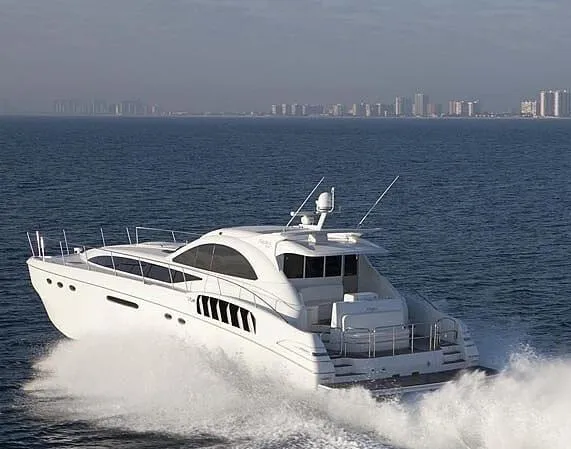
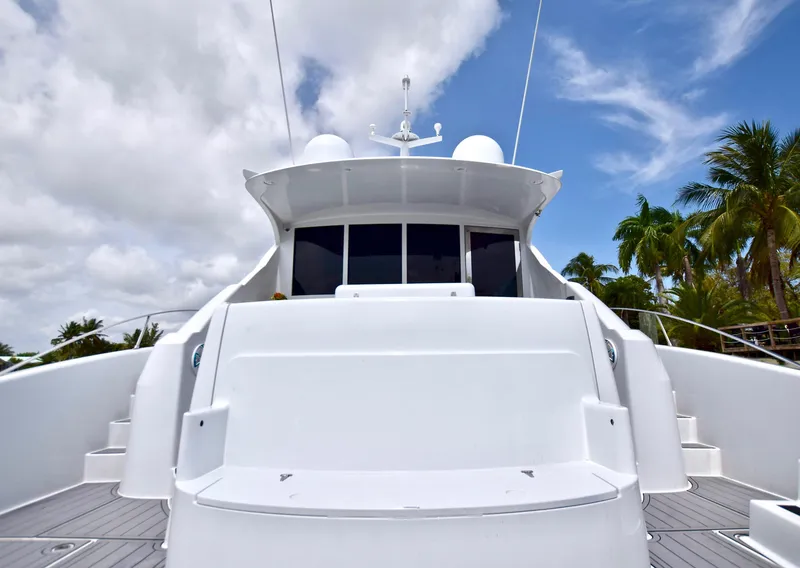
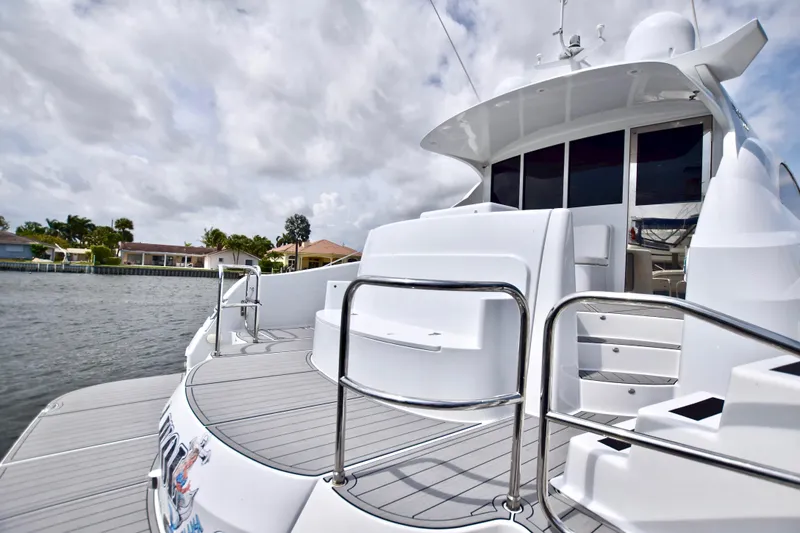
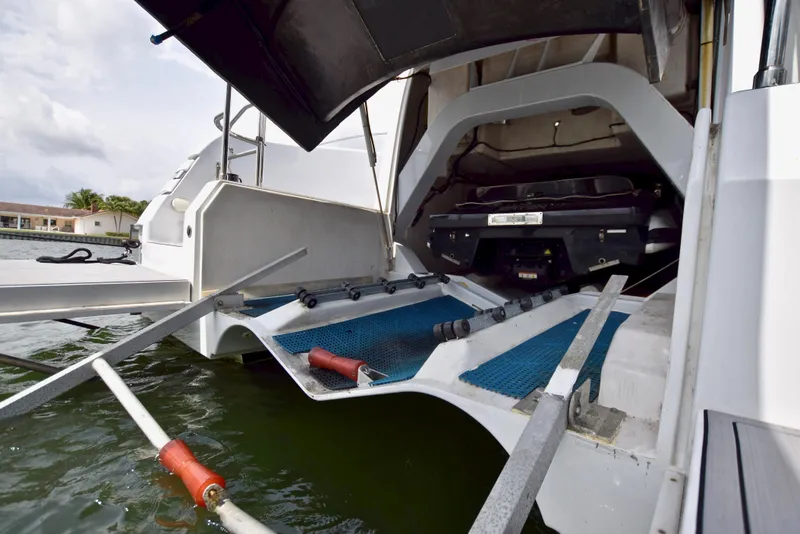
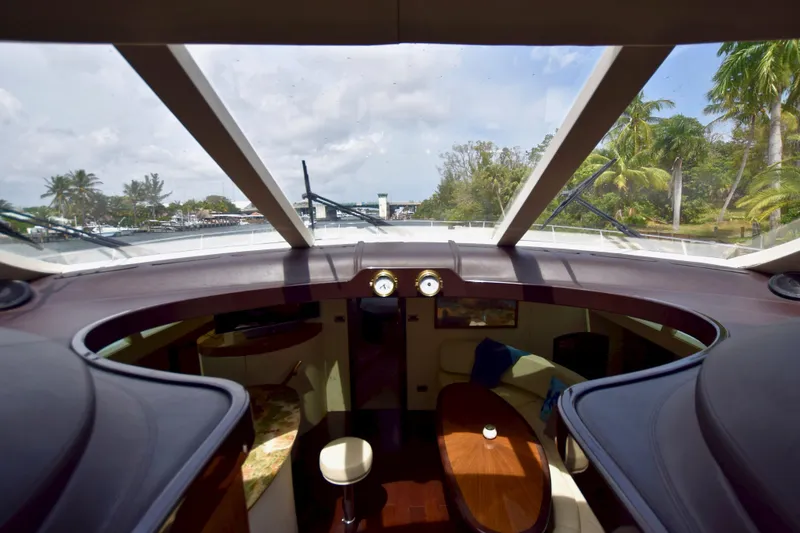
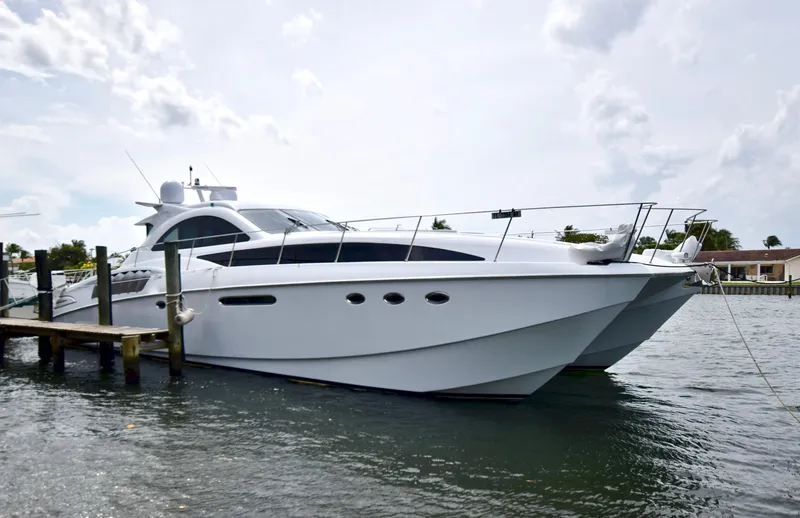
2010 Custom Axcell Yachts 650 Power Catamaran
$1,099,900
Boat in West Palm Beach, FL 33403 US
 Built in 2010
Axcell Yachts 650 Power Catamaran

2 Engines (2x Caterpillar)

65 feet

Diesel

Fiberglass/Reinforced
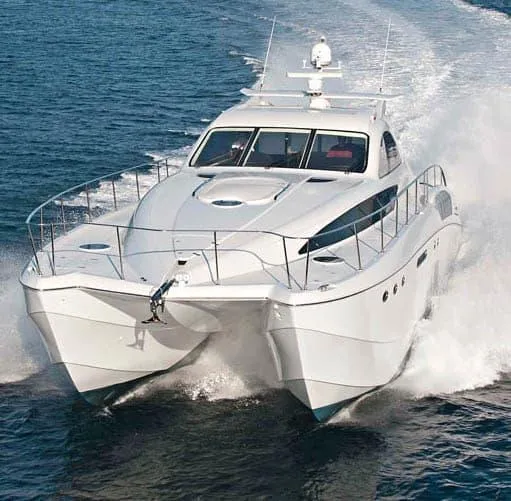
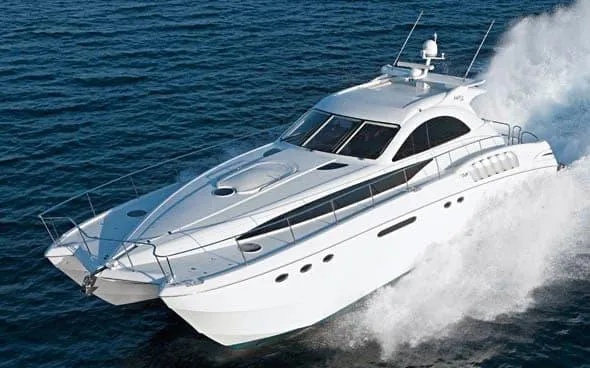
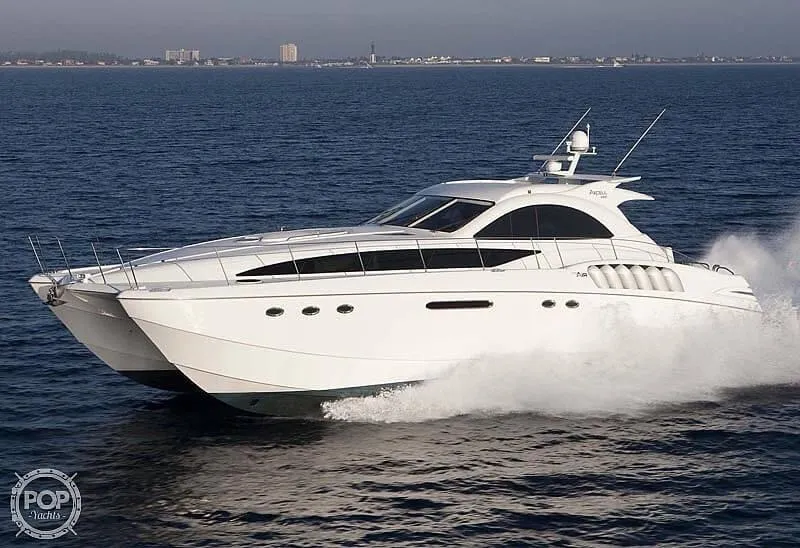
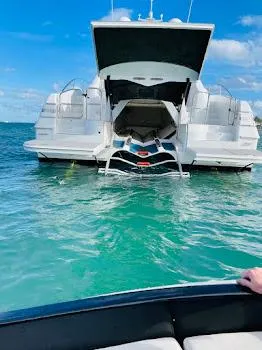
This 2010 Axcell Yachts 650 one of a kind almost rides on top of the water with her air lift system. She is the only 650 ever built by Axcell Yachts.
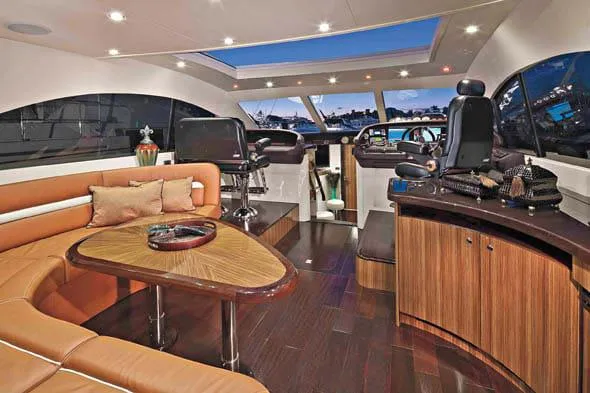
This Axcell 650 is one of a kind that is outfitted with top of the line materials. A total of three Axcell's were built, two 60 footers and this one 65. When you enter the salon door, are you entering a yacht or the Ritz Carlton?
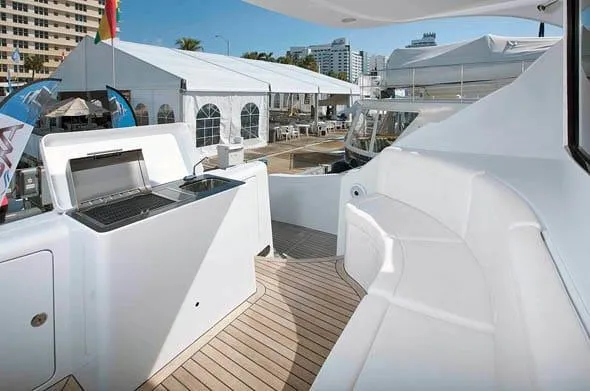
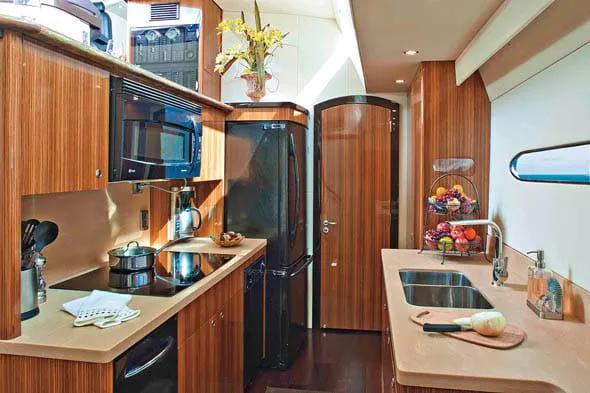
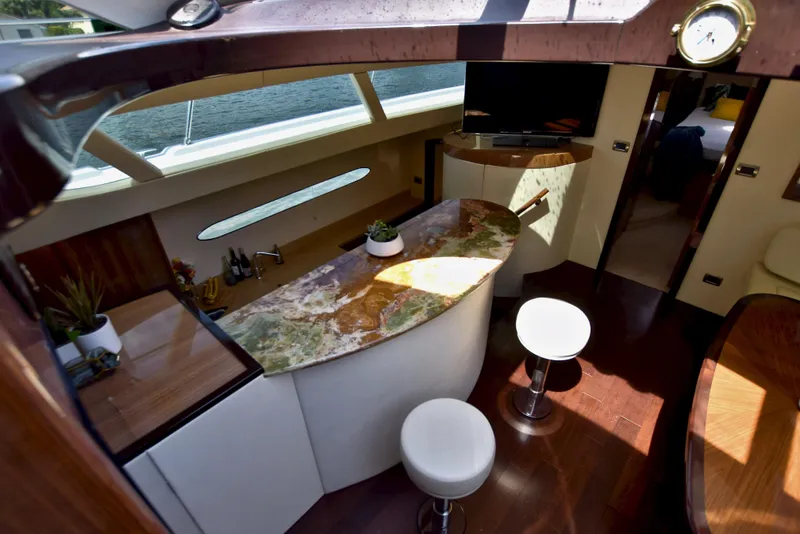
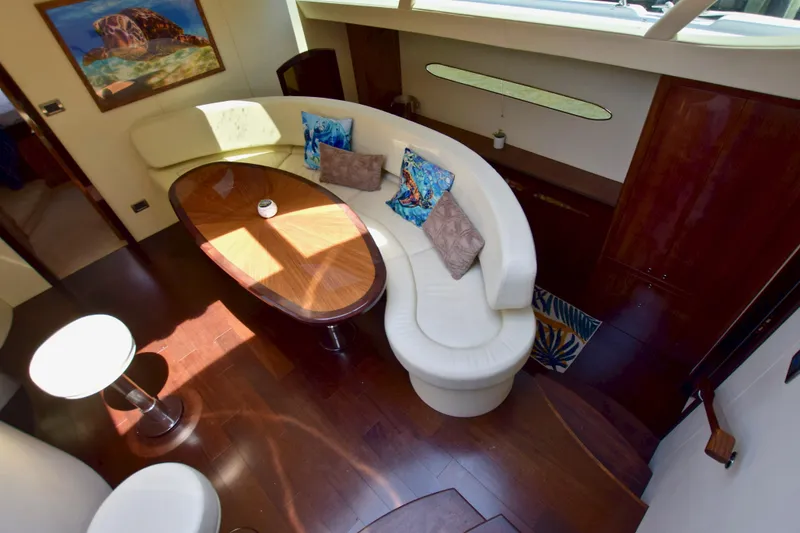
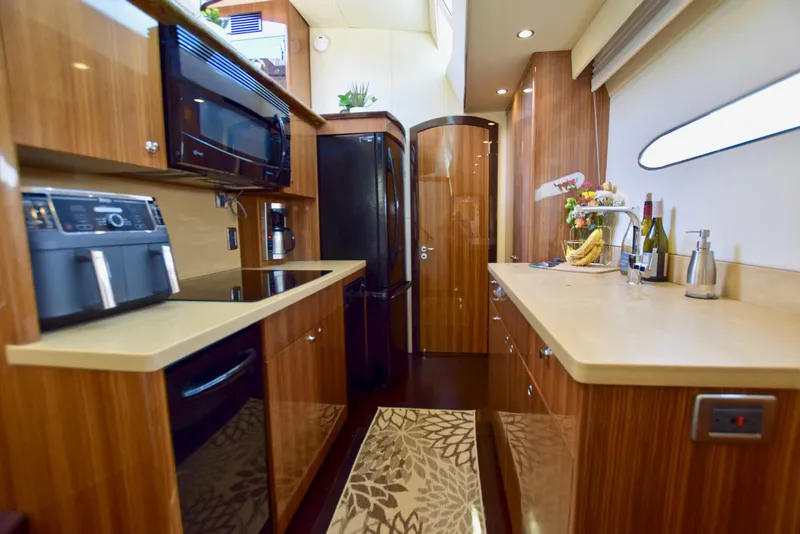
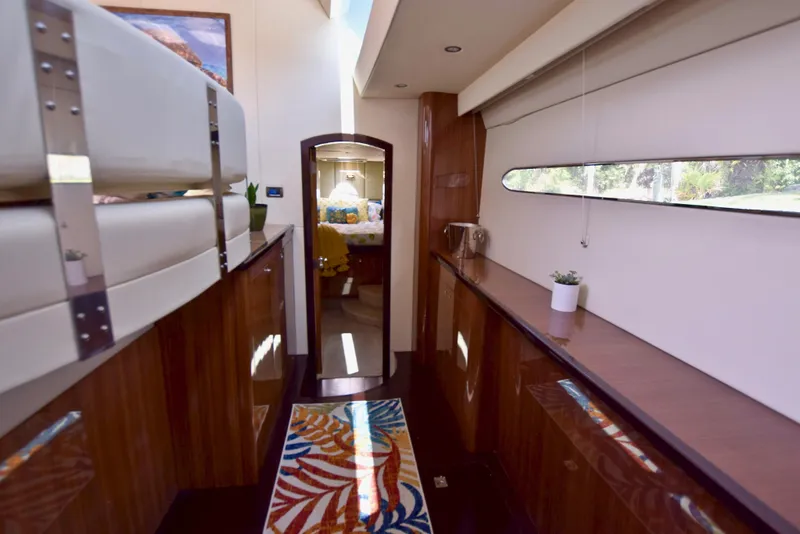
The inside is absolutely gorgeous, with a leather sofa and leather headliner throughout hardwood floors. The galley is lovely with large granite countertops, black appliances, and a lot of pantry and storage space close to the laundry room with a washer and dryer and flip-down bed.
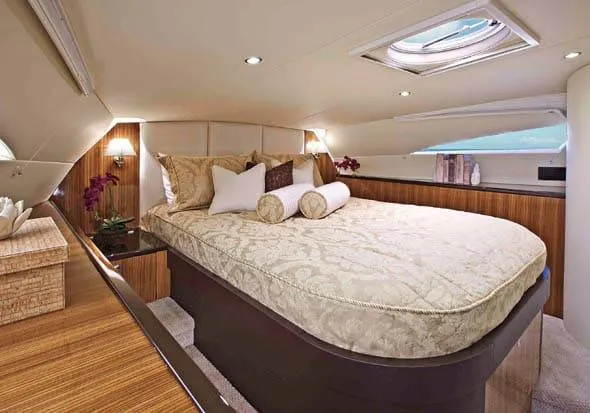
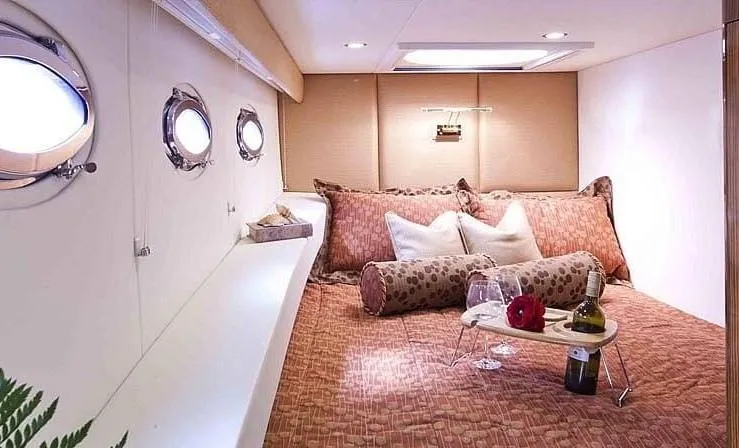
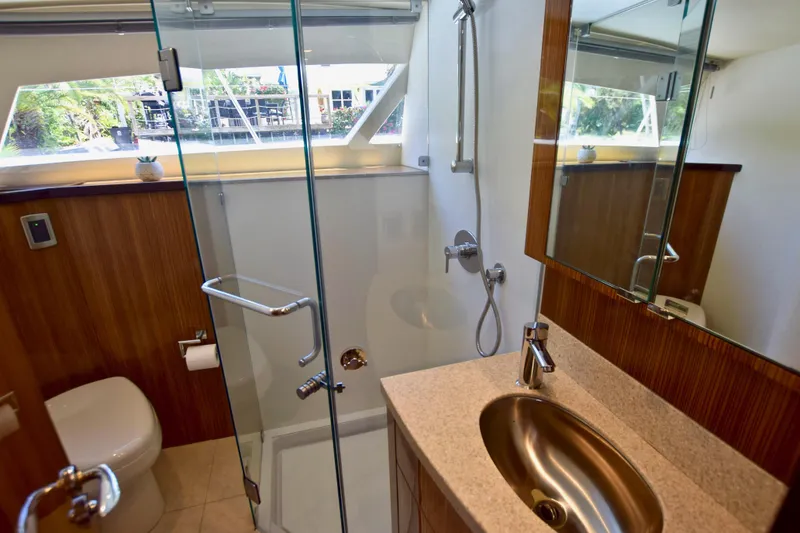
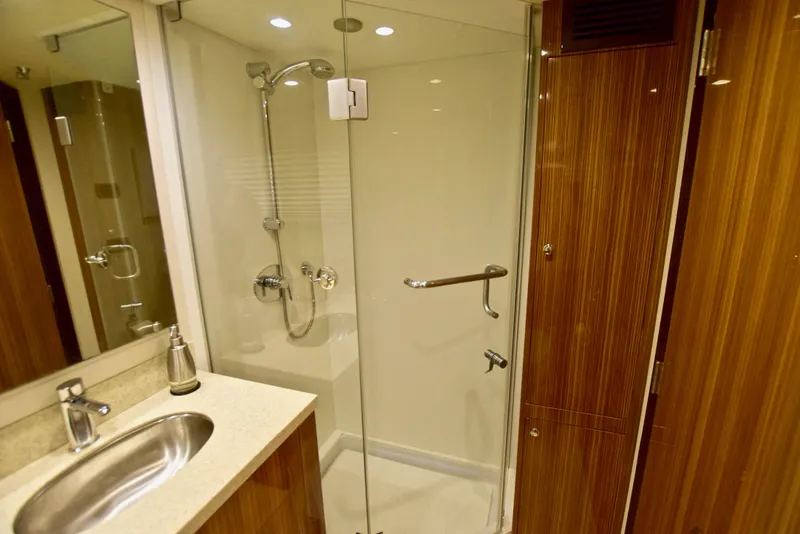
THREE STATEROOMS, yes, that's correct, three staterooms and three heads that are all outfitted with top of the line furnishings and lots of storage for an extended stay on board with a personal head adjoined to each stateroom with custom glass showers.
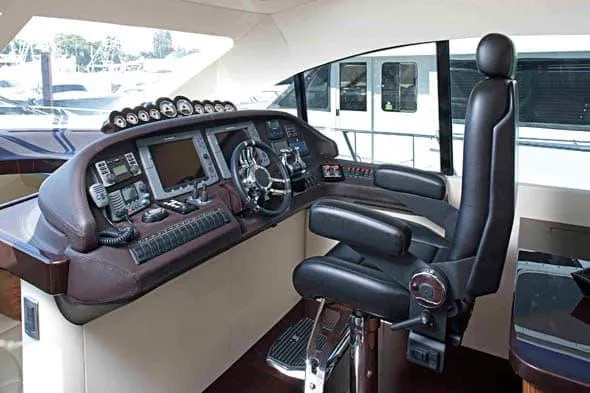
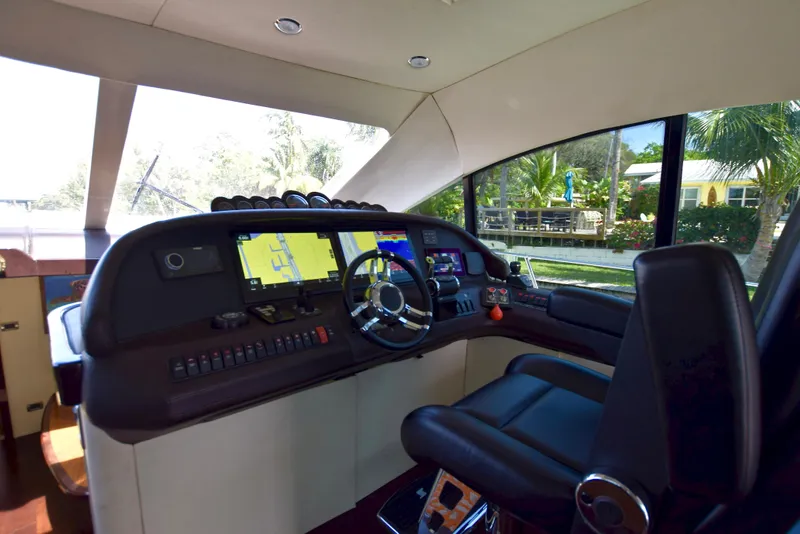
IT IS LOADED WITH ELECTRONICS ZF electronic steering and controls; Stidd helm seats; Lewmar bow and stern thrusters and windlass; 2/Raymarine E120 displays w/ GPS plotter and radar; Ray218 VHF; Clarion marine stereo and FLIR with the remote.
Axcell 650 is a one of a kind cat that wasn't registered until Sept 2020. She was used for a manufacturer's demo vessel that traveled to boat shows, which explains low hours.
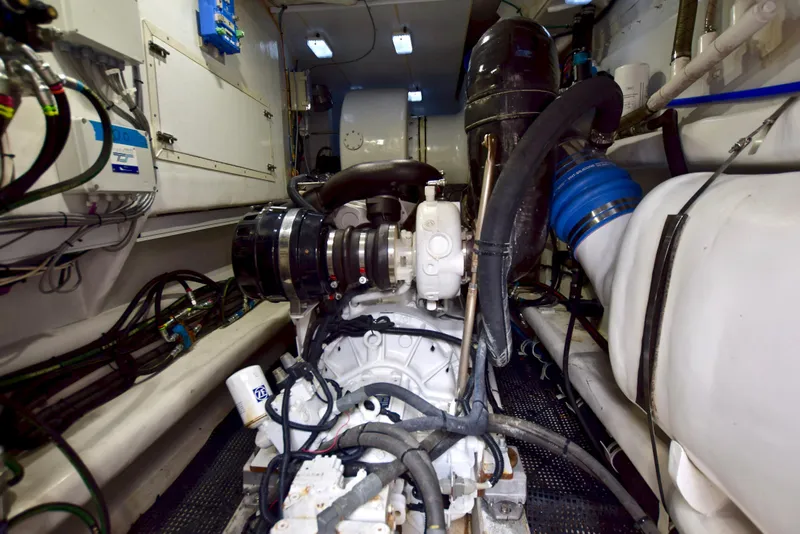
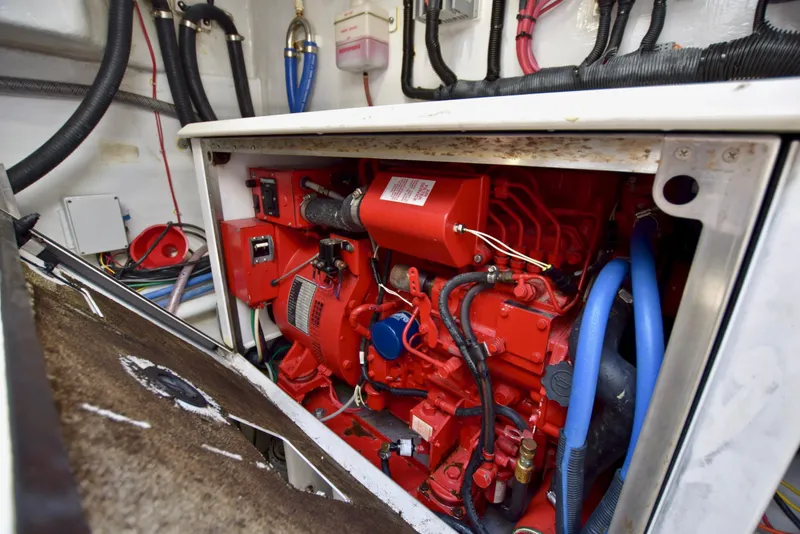
The engine rooms are impressive, with many expensive stainless steel fuel lines, top-shelf Northstar AGM batteries, and some precisely loomed and laid-out electrical runs.
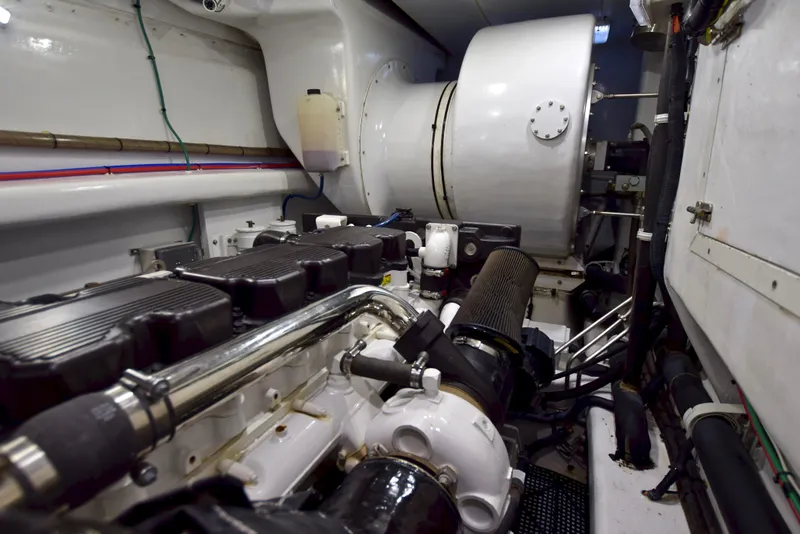
There are two engine rooms; each engine room has a single 1,015-mhp Caterpillar C18 ACERT diesel on the centerline, a beefy but lightweight carbon-fiber jackshaft that faded into the transom's shadows, and a power-takeoff pump at the rear of the marine gear.
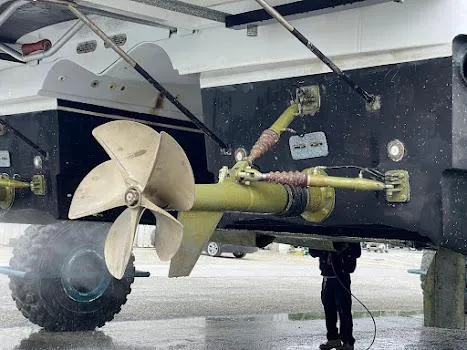
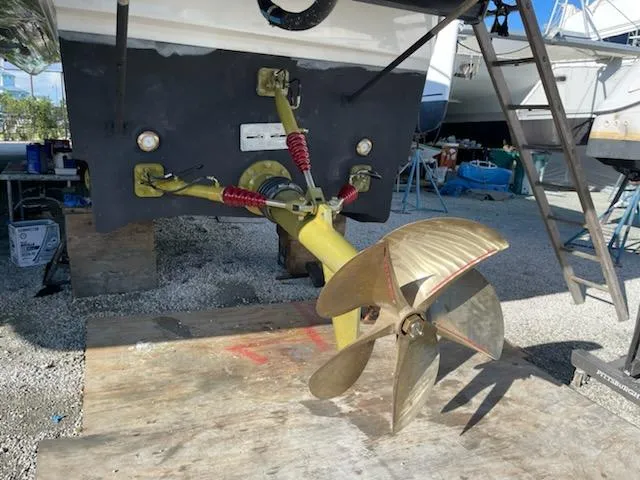
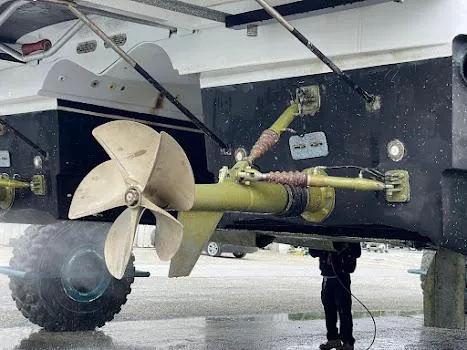
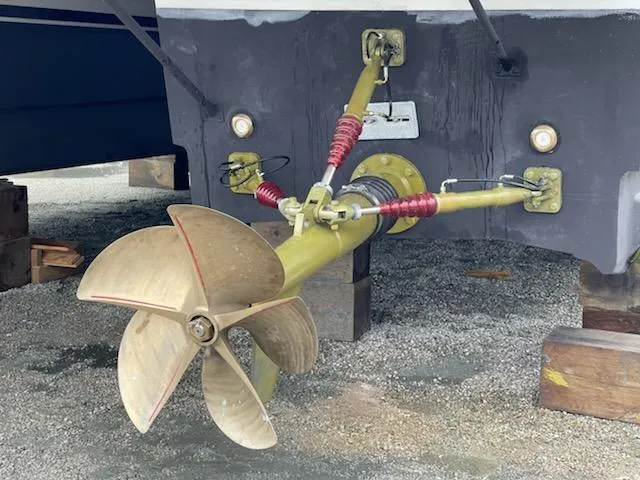
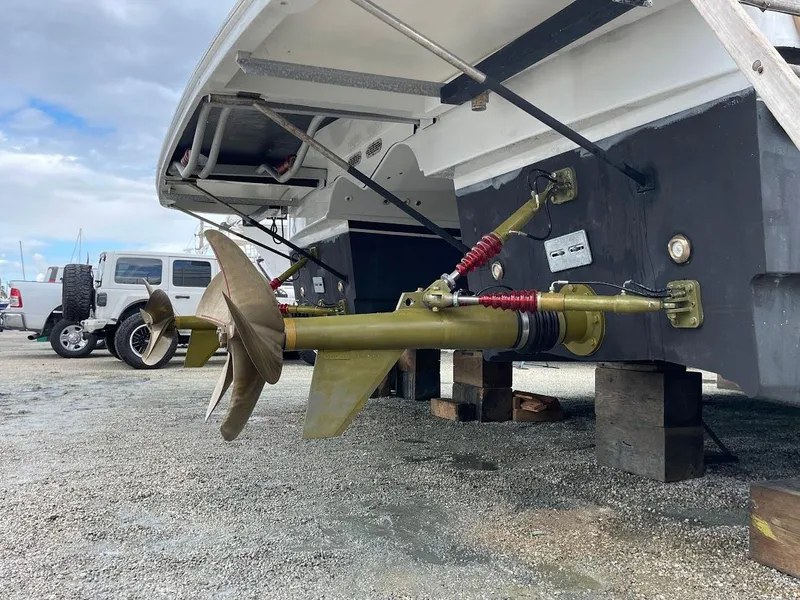
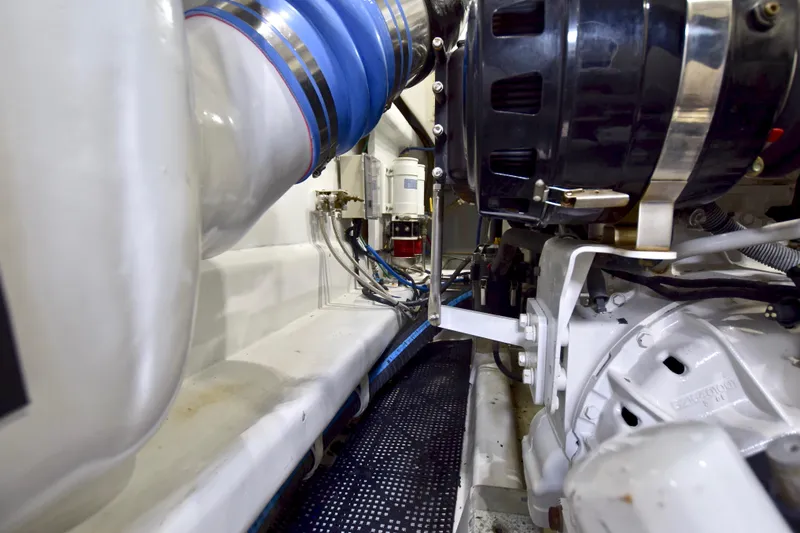
The jackshaft coupled the engine to a fully articulated ZF MiniRex surface-piercing drive. The power-takeoff unit (in league with its twin on the port main) energized onboard hydraulics, including a Lewmar windlass and thrusters.
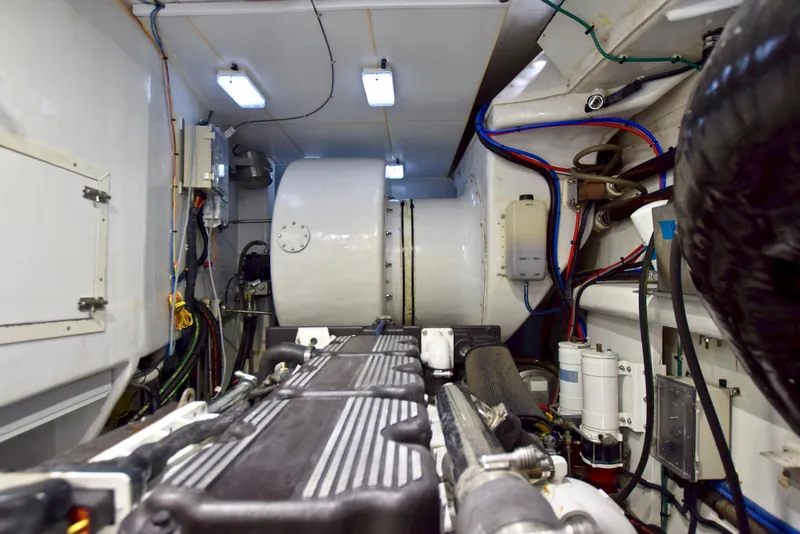
The engineer combined a mixture of technologies and equipment to achieve enough air pressure for his desired speed and efficiency. "The air blower is all automatic. The pump takes four to seven percent of the engine's power. It's controlled and automated by a computer, so when you press the throttles forward at 1,300 rpm, the fan starts to create pressure, and the boat starts to run lighter and faster.
Seller is open too and encourages all reasonable offers.
Personally photographed and inspected by the Global One Yacht Sales broker.
- Yacht was not put into service until 2020
- Yacht was fully updated and refit in 2022
- All Electronics are brand new
- Brand New Surface Drives
- Brand New Joystick
- Brand New Easy Set Drive System
- Brand New Underwater Lights (6)
- Brand New Sea Deck
- This High Performance Catamaran has unique Hover Craft Technology that seller is willing to sell with the boat including all plans to build them.
- Seller has all build specs and the rights to it from the prototype manufacturer
- Please contact us today for more information or to arrange a showing on this yacht.
Please contact us today for more information or to arrange a showing on this yacht.
Financing Available. World Wide Delivery Available.
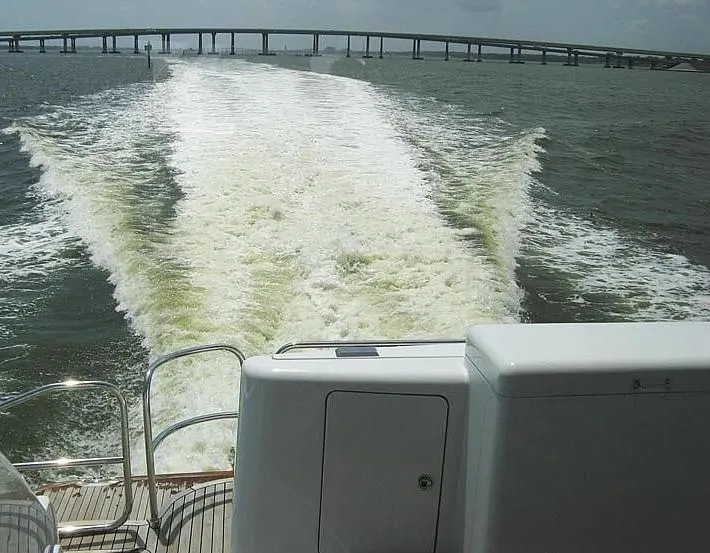
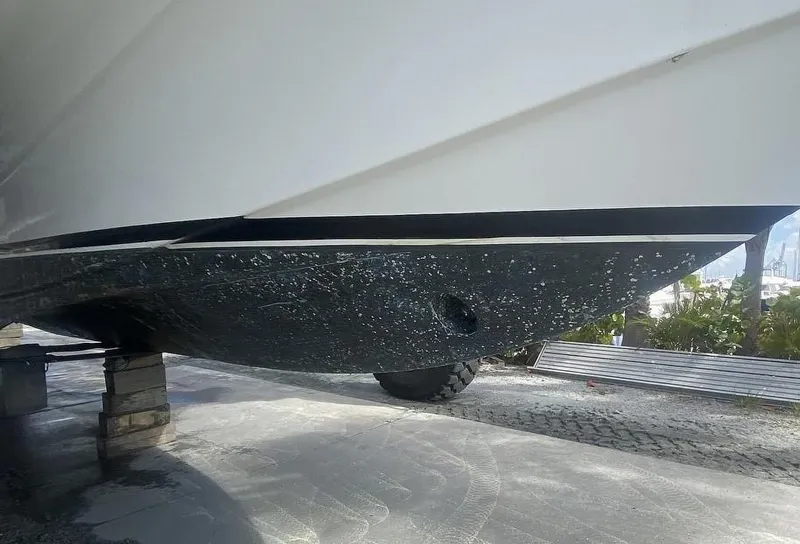
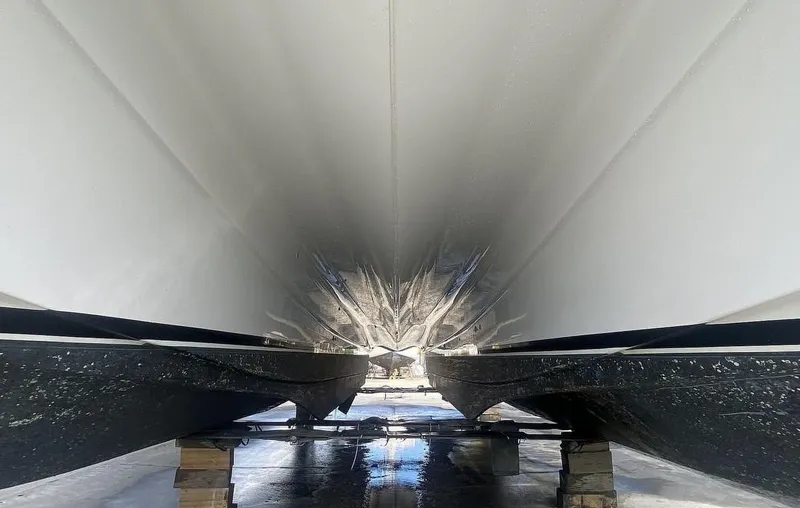
The air chamber is on the center of gravity of the boat, lifting the vessel equally. Lift fans connected to the main engines engage automatically at 1,300 rpm and force pressurized air into the air pockets beneath, creating an air cushion that relieves an astonishing 50 percent of the yacht's weight (approximately 31,000 pounds) and provides a 30- to 40-percent speed advantage without having to utilize bigger engines. Forcing that much air from an enclosed engine compartment, however, requires a significant air source.
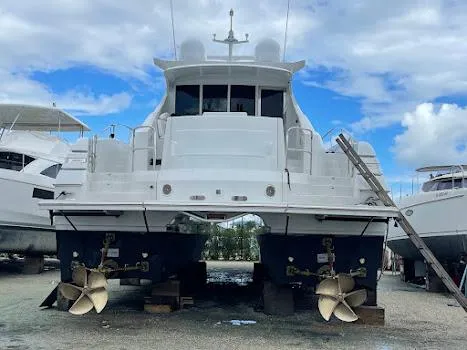
Six stylish-looking gills on each side of the boat provide needed airflow. "Those first four are how it breathes enough air to pump it under the hulls. The last two are where the engine gets its air.
A lot of work has been recently done; all maintenance was completed in Aug 2020, and the water chiller ac unit was serviced in sept 2020 as well.
IT IS LOADED WITH ELECTRONICS ZF electronic steering and controls; Stidd helm seats; Lewmar bow and stern thrusters and windlass;
2/Raymarine E120 displays w/ GPS plotter and radar;
Ray218 VHF;
Clarion marine stereo and FLIR with the remote.
Does Modern Hovercraft Technology Boost The Axcell 650’s Speed and Operating Efficiency?
After pulling into the Ocean Club at Port Canaveral, it took just a few seconds to spot my test boat du jour, tied up at the fuel dock, with a humongous, shark-like swath of “gills” (i.e., air intakes) at the stern, glinting in the sun. The sight stopped me in my tracks for just a moment. But time was flying, and there was no sense wasting it gawking, particularly when an absolutely unique and possibly far-reaching bit of marine propulsion technology stood waiting for sea trial.
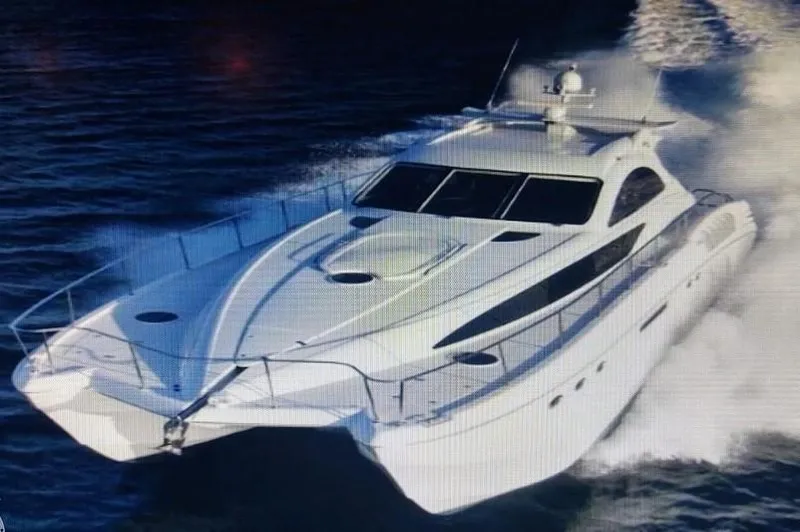
In profile at least, the Axcell 650 looked like an express-style monohull, not a big powercat, and as I got closer, I theorized that J.C. Espinosa, the megayacht designer who’d done both her styling and layout, had most likely intended the illusion. Bruce Barsumian, electronics engineer, counter-surveillance-detection-equipment contractor, and founder of Axcell Yachts, was just settling a fuel bill when I strolled up. With reflector sunglasses and a devil-may-care grin, he certainly looked like the type of guy who’d devote 14 years and a whole heap of cash to a decidedly edgy project.
And I do mean edgy. Thanks to a little hovercraft-related technology, the naval-engineering capabilities of Donald L. Blount & Associates, the tooling expertise of Vector Works Marine in nearby Titusville, Florida, and the aforementioned contributions of Espinosa, Barsumian had created a boat that closely resembles a swoopy conventional midrange motoryacht but by all reports, could also generate her own friction-reducing cushion of air and then ride the darn thing, magic-carpet-style.
I began to see how such a phenomenon might actually be possible as we toured the starboard engine room, a nearly identical version of the one in the port sponson. Its after half was mainstreamy enough. Besides a bunch of expensive stainless steel fuel lines, top-shelf Northstar AGM batteries, and some precisely loomed and laid-out electrical runs, it featured a single 1,015-mhp Caterpillar C18 ACERT diesel on centerline, a beefy but lightweight carbon-fiber jackshaft that faded into the transom’s shadows, and a power-takeoff pump at the rear of the marine gear. The jackshaft coupled the engine to a fully articulated ZF MiniRex surface-piercing drive, Barsumian explained, and the power-takeoff unit (in league with its twin on the port main) energized onboard hydraulics, including a Lewmar windlass and thrusters.
The forward half of the space was a total eye-popper, however. It featured a huge, chest-high, centrifugal blower that inhales vast amounts of air through the earlier-referenced gills and then, via a proprietary microprocessor-controlled hydraulic system designed to kick in at 1300 rpm, pumps the stuff into specially designed, longitudinally oriented chambers in the running surface. Once pressurized, these chambers then support roughly half of the vessel’s weight at speed, thereby substantially reducing skin friction and hydrodynamic form drag. “We’re calling it HybridAir,” Barsumian enthused, “a patented technology that lets a big boat like this go fast but with relatively small engines.”
As you’d imagine, I was big-time excited about giving Barsumian’s HybridAir technology the full PMY wringout. So after departing the fuel dock and transiting the nearby Canaveral locks, I was pleased to see that conditions for testing on the Banana River were expeditious, with little more than a one-foot chop to contend with, only light, variable breezes blowing, and hardly any traffic at all. I closely watched Barsumian wheel his 650 into position for our first speed run. The boat seemed vaguely slippery, by which I mean she’d occasionally swing wide of the course corrections he fed her, although opposite wheel invariably brought her quickly back.
I got a heck of a charge out of driving the boat, though. Visibility from the comfy Stidd helm seat was wraparound excellent at all times. Trim adjustments to the steerable MiniRex surface-piercers proved decidedly simple and push-button-easy. And while sound levels were perhaps a little robust on the high end of the rpm register, I noted no super-distinguishable blower-related noise. Moreover, although tracking was acceptable at planing speeds and turns were broad and positive, I experienced the same tendency to wander at displacement speeds I’d noticed earlier when Barsumian was at the wheel. “It’s different—a little bit floaty,” I commented while tooling through Canaveral Harbor, “but it’s fun once you get used to it.”
I completed my examination of the 650’s finely fitted zebrawood-appointed interior, which I’d commenced shortly after we’d tied up, with a wholly positive attitude. Although the layout certainly was catamaran-esque in many respects (an extra-wide lounge and master on the main deck, a relatively narrow guest stateroom and galley in the port sponson, and another narrow guest and stowage area in the starboard sponson), Espinosa had so cleverly appointed and designed its lines and spaces, that I occasionally had trouble remembering I was touring a cat, not a monohull. Nice job!
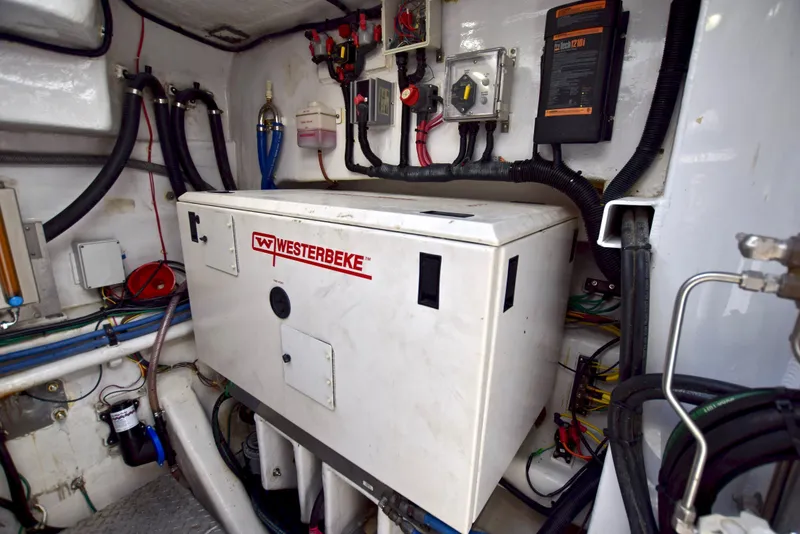
ZF electronic steering and controls; Stidd helm seats; Lewmar bow and stern thrusters and windlass; 2/Raymarine E120 displays w/ GPS plotter and radar; Ray218 VHF; Clarion marine stereo; Imtra LED lighting; Corian countertops; GE Profile microwave oven, cooktop, residential-size refrigerator, and trash compactor; Brew Express coffee maker; Splendide washer/dryer; 15kW Westerbeke genset; 9/Northstar AGM batteries (4 start, 4 house, 1 genset); 20-amp ProMariner ProTech 2420i battery charger; 4,000-watt Magnum Energy inverter; Dometic MSDs; Vetus sea strainers; Stat-W aerosol-generator-type fire-extinguishing system
The Company offers the details of this vessel in good faith but cannot guarantee or warrant the accuracy of this information nor warrant the condition of the vessel. A buyer should instruct his agents, or his surveyors, to investigate such details as the buyer desires validated. This vessel is offered subject to prior sale, price change, or withdrawal without notice.
Please contact listing broker Bill Neumann direct at 908/309/4364. Call / text anytime 7 days a week.
Price History
| Date | Event | Price |
|---|---|---|
| 3/6/26 | Initial price | $1,099,900 |
Be the first to know when similar boats hit the market
Get notified when new boats become available
Meet the Broker

Address
Boat Location
Contact Global One Yacht Sales
Wehrlen Brothers Marina, 197 Princeton Ave, Brick, NJ, 08724
 Login with Google